Page, Arizona

Located on a mesa in northern Arizona, the small city of Page makes a great stop over for the many tourists traveling between the Grand Canyon and Zion National Park. The surrounding desert provides beautiful views, and nearby Lake Powell offers a rare opportunity for water recreation in this area of the county, but many visitors come to experience for themselves the gorgeous slot canyons that have been made famous by photo sharing sites like Instagram. We had originally just planned to make a half-day stop in Page on our way to the South Rim of the Grand Canyon, but after researching the area we decided shorten our stay at Zion so that we could have a night in Page. And I’m so glad that we did! We packed quite a bit in the short time that we had. Here’s how we spent our time:

The Drive from Zion to Page
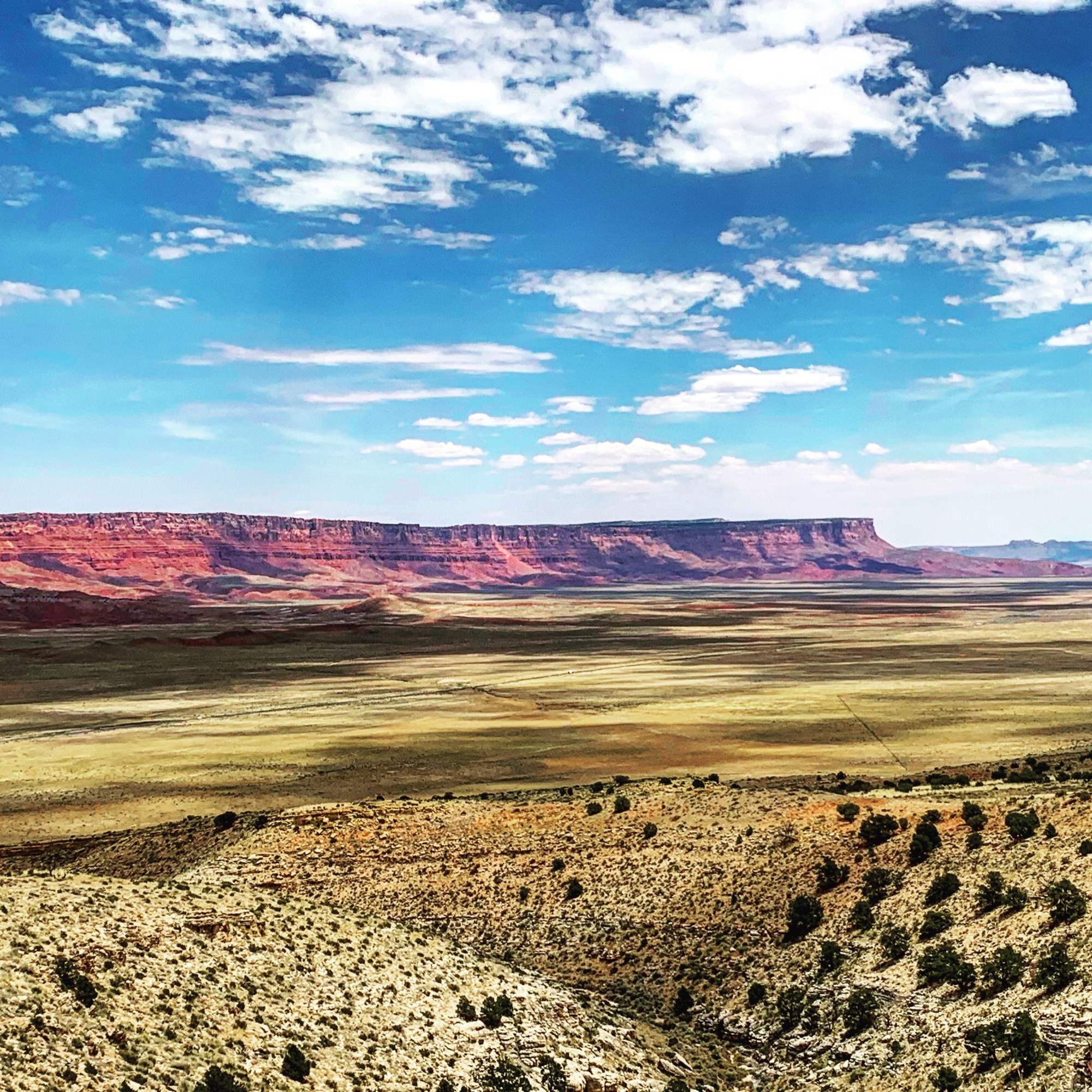
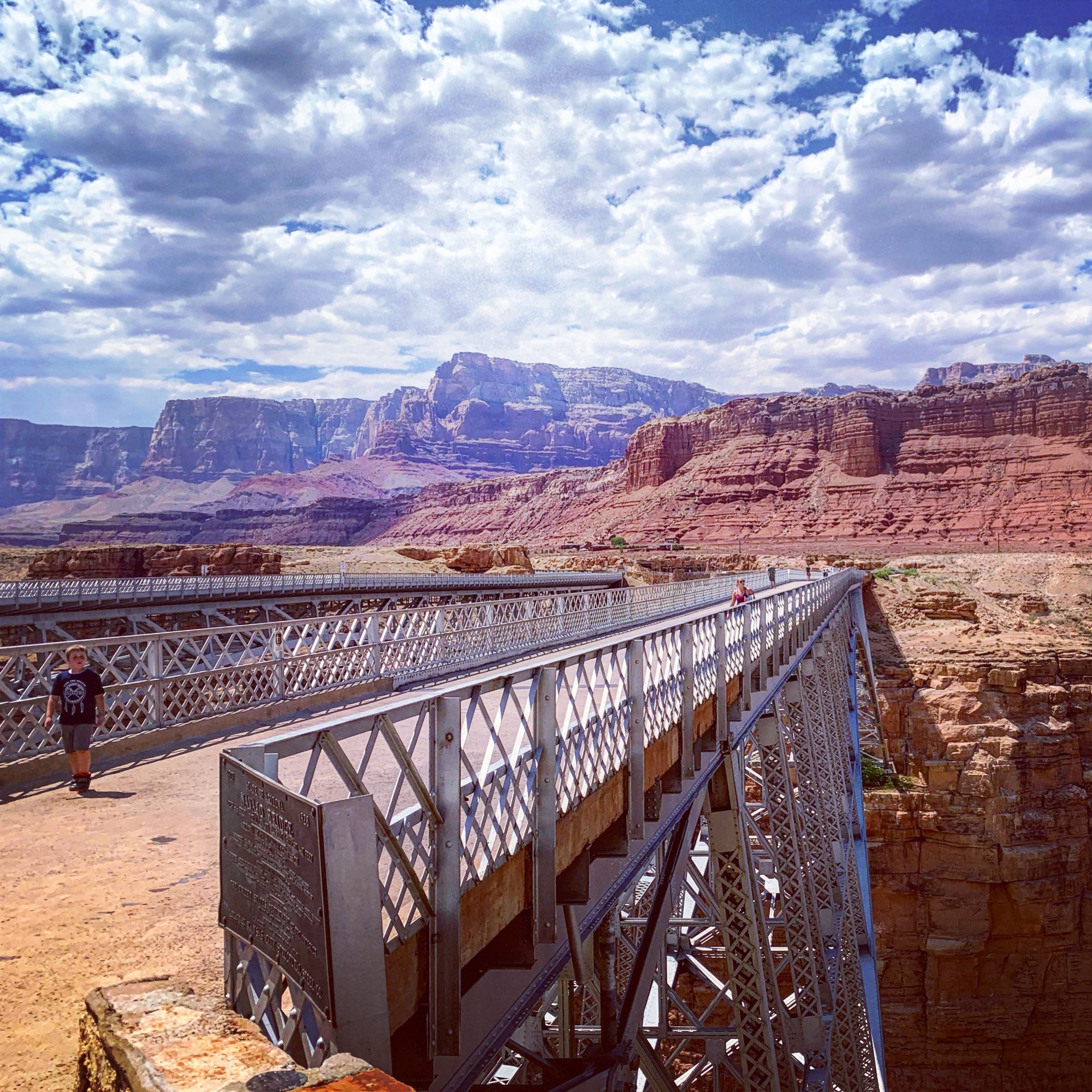
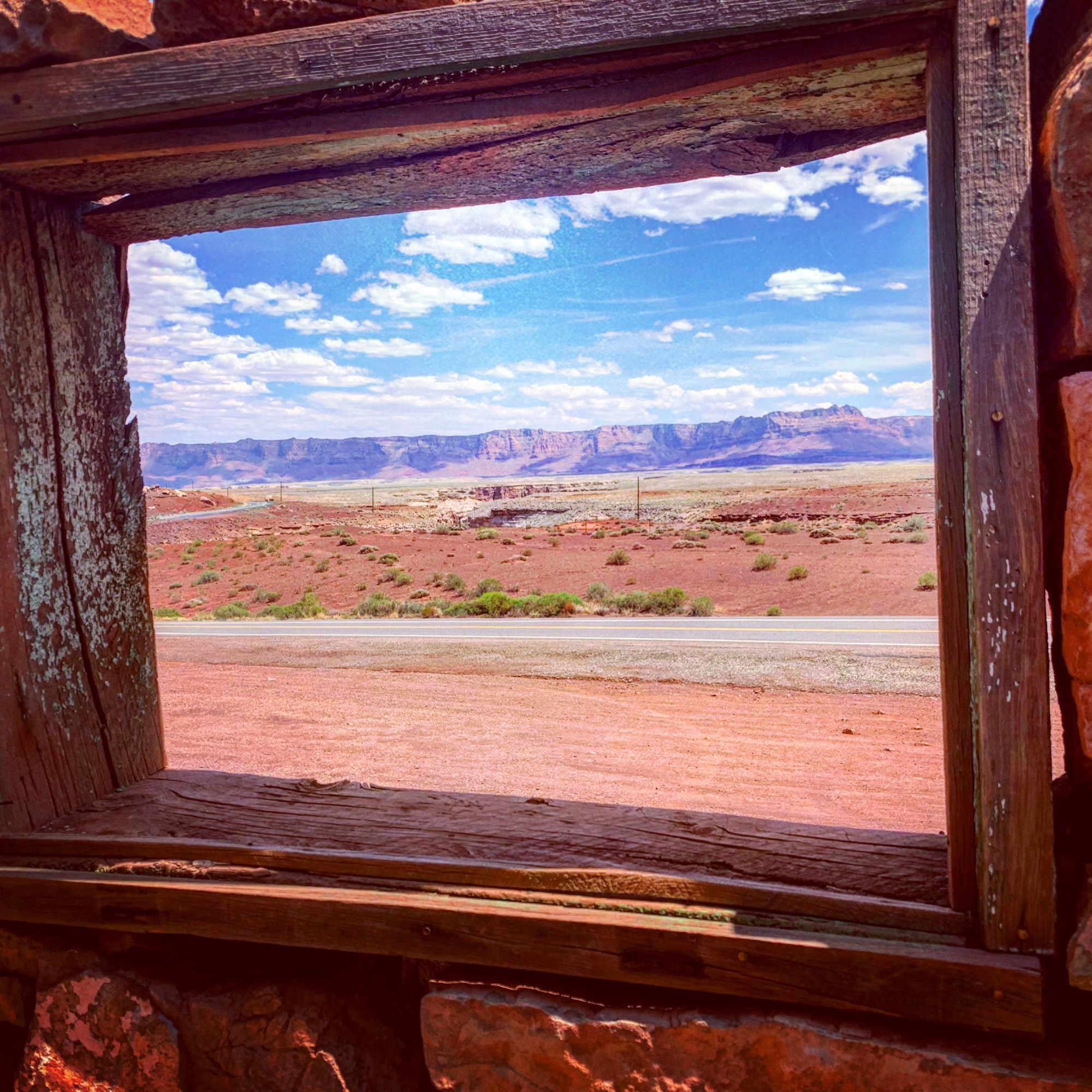
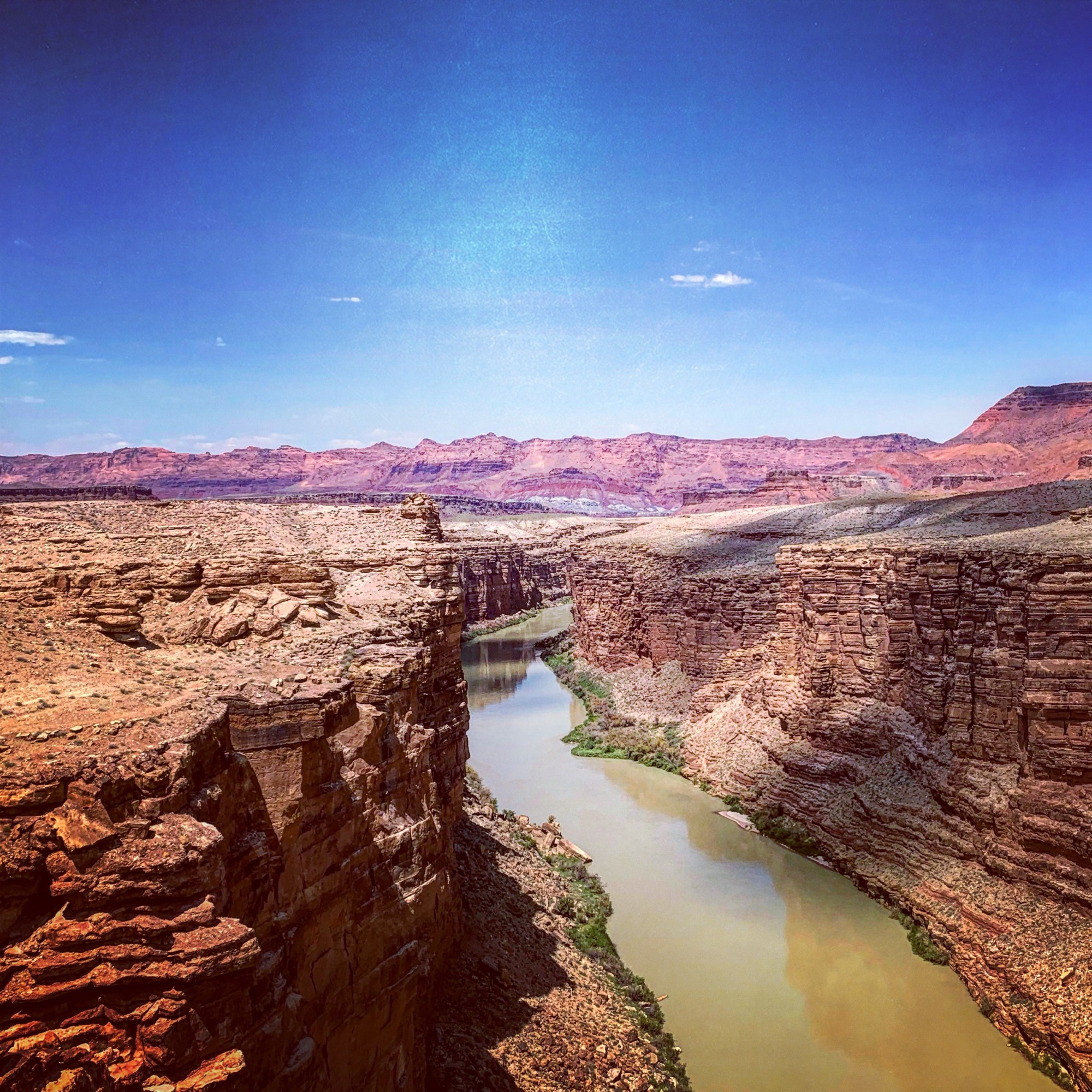
I’m usually a much bigger fan of the destination than I am of the journey, but we decided to take the slightly longer route from Zion National Park to Page, Arizona, driving the scenic Route 89A. We made several stops, first at the overlook of the Vermillion Cliffs as we traveled down past Jacob Lake, where we ate a picnic lunch using the big rocks as tables. Then we pulled in to Cliff Dwellers, which has an ancient rock house that is free to go inside. After seeing the amazingly well-preserved ruins at Mesa Verde it was a little underwhelming, but there were also Navajo women there selling handmade jewelry and other items. We made a quick stop at Marble Canyon, checking out the trading post (which had some interesting items), and then continuing on to Navajo Bridge. When it was constructed in 1929, the original Navajo Bridge was the highest bridge in America, allowing travelers to cross the Colorado River. Now there are two bridges at the site, the original one that is only open to foot traffic, and the newer one for vehicles to cross, along with a small Visitor Center. All along the way, the colors of the rocks that make up the Vermillion Cliffs were amazing. It was a great drive that the whole family enjoyed!
Antelope Canyon
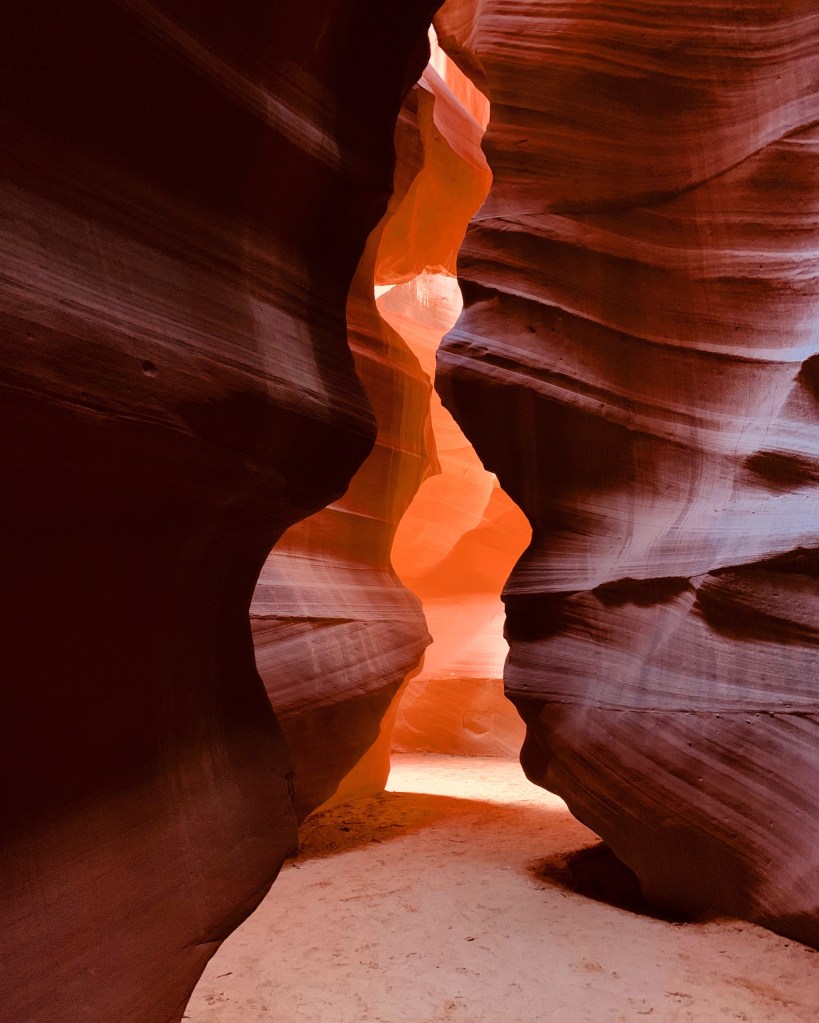
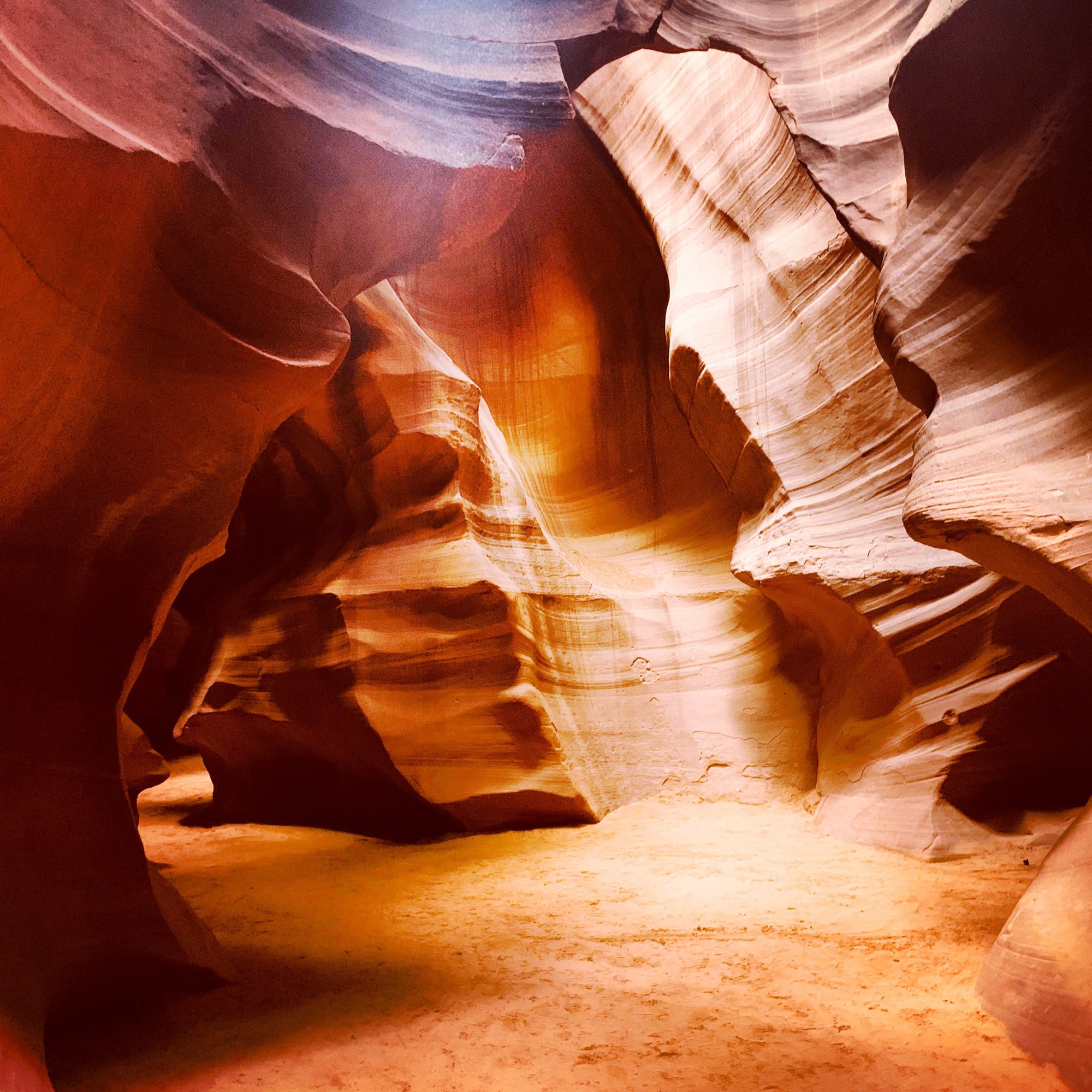
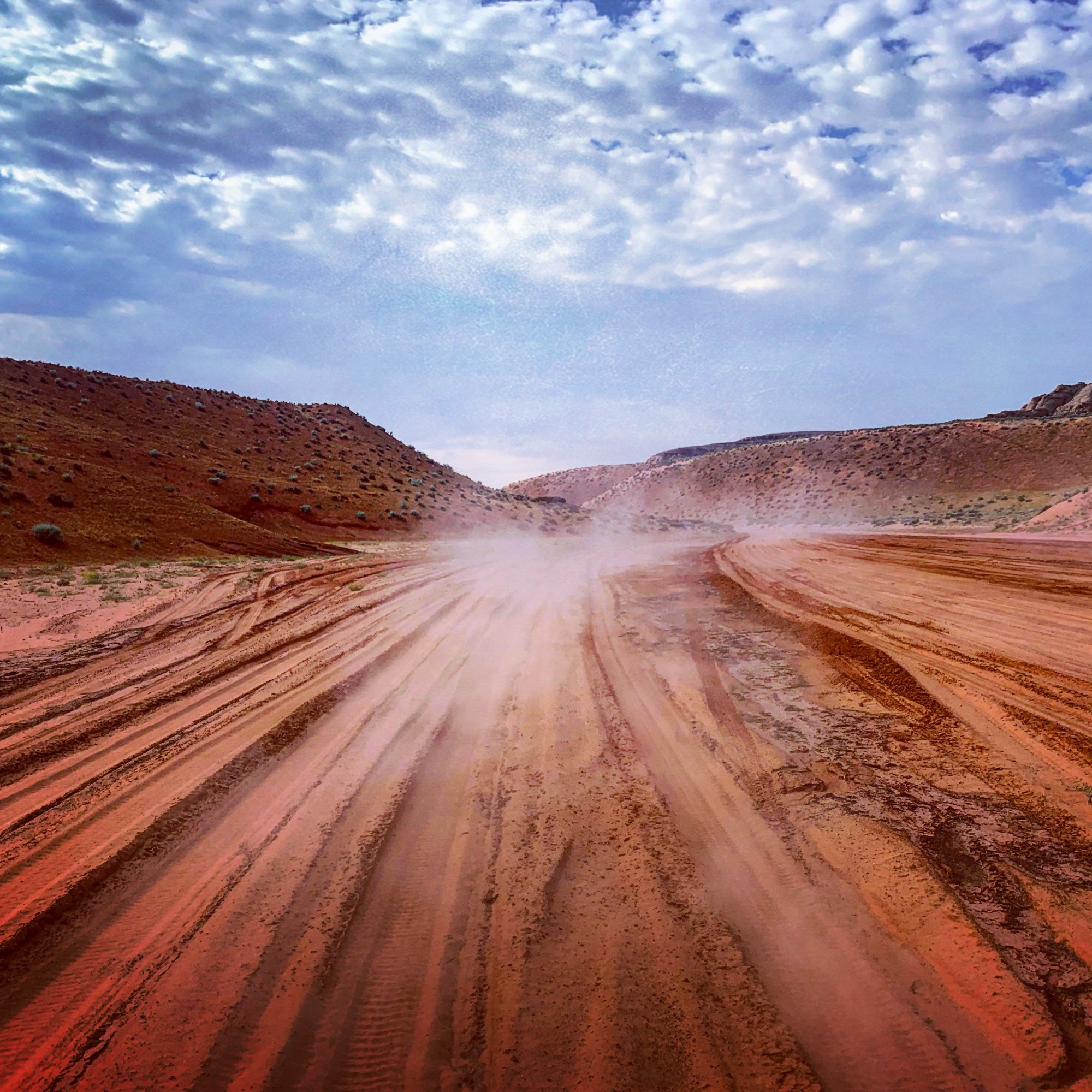
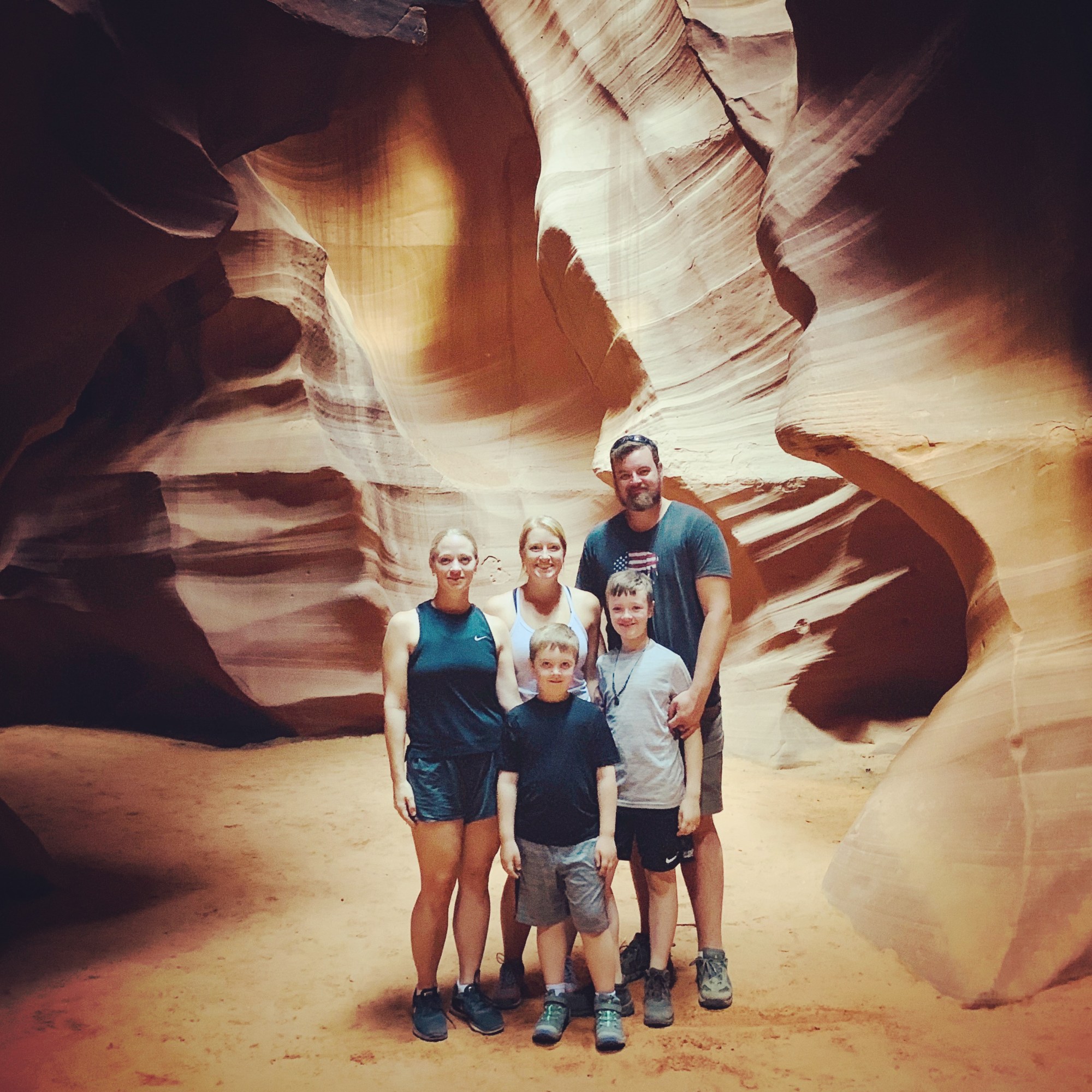
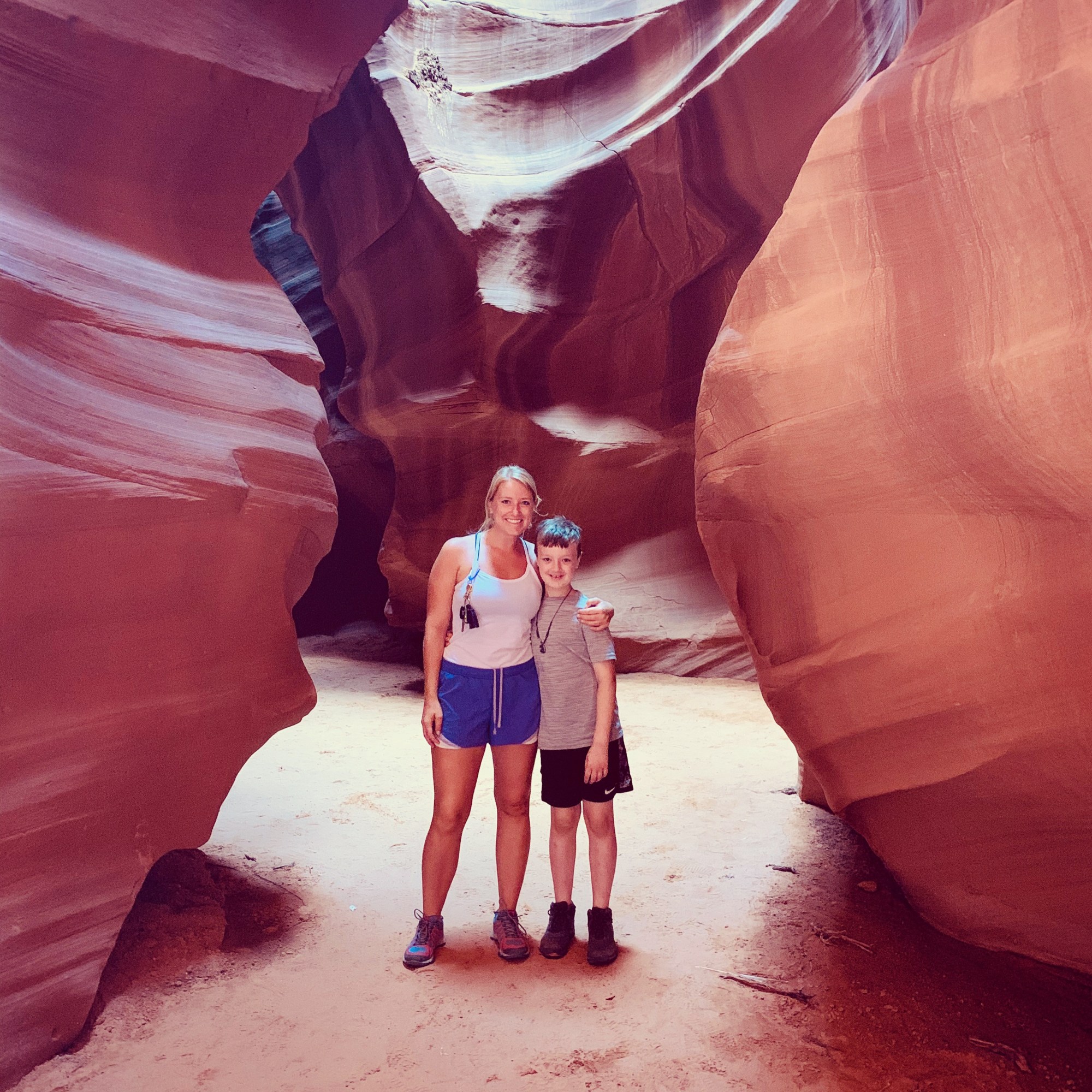
Quickly becoming one of the most popular slot canyons in the world, Antelope Canyon is a stunning site to tour. Water has gradually eroded the sandstone to leave behind curves in the rocks. Throughout the day, variations in the lighting creates a beautiful range of colors. The most expensive photograph every to be sold was taken in Antelope Canyon! The most popular tour times for Upper Antelope Canyon are between 11am and 1pm. This is because the canyon is so narrow and the walls are so high that when the sun is directly overhead distinct beams of light shine down, creating some amazing sights and opportunities for photographs. We booked our tour a full nine months prior to visiting, and even then, the midday times were completely sold out. So we opted for the first tour of the morning (7:00am) with Antelope Canyon Tours to avoid the crowds. It started with a dusty, open-air ride through Page and then onto some dirt roads leading to the entrance of the canyon. The tour itself was only about an hour of easy walking. We had a great guide named Malcolm who told us about the history and geology of Antelope Canyon and showed us how to get some really interesting photos. I was worried about not seeing the canyon at midday, but it was gorgeous and peaceful.
Horseshoe Bend
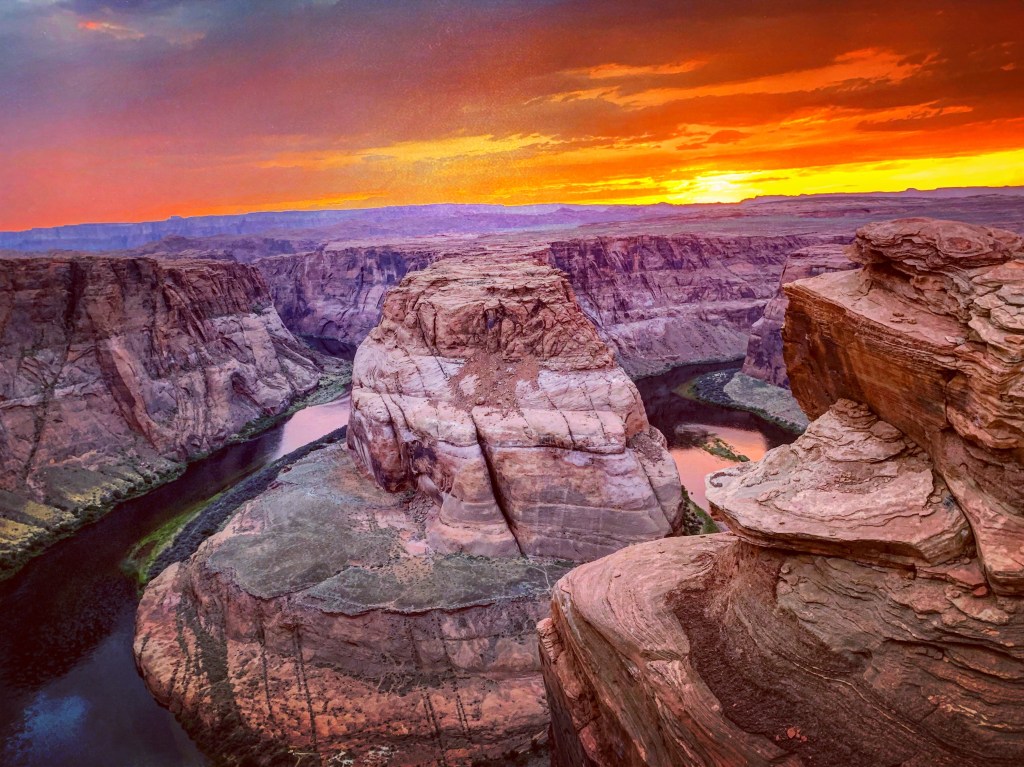
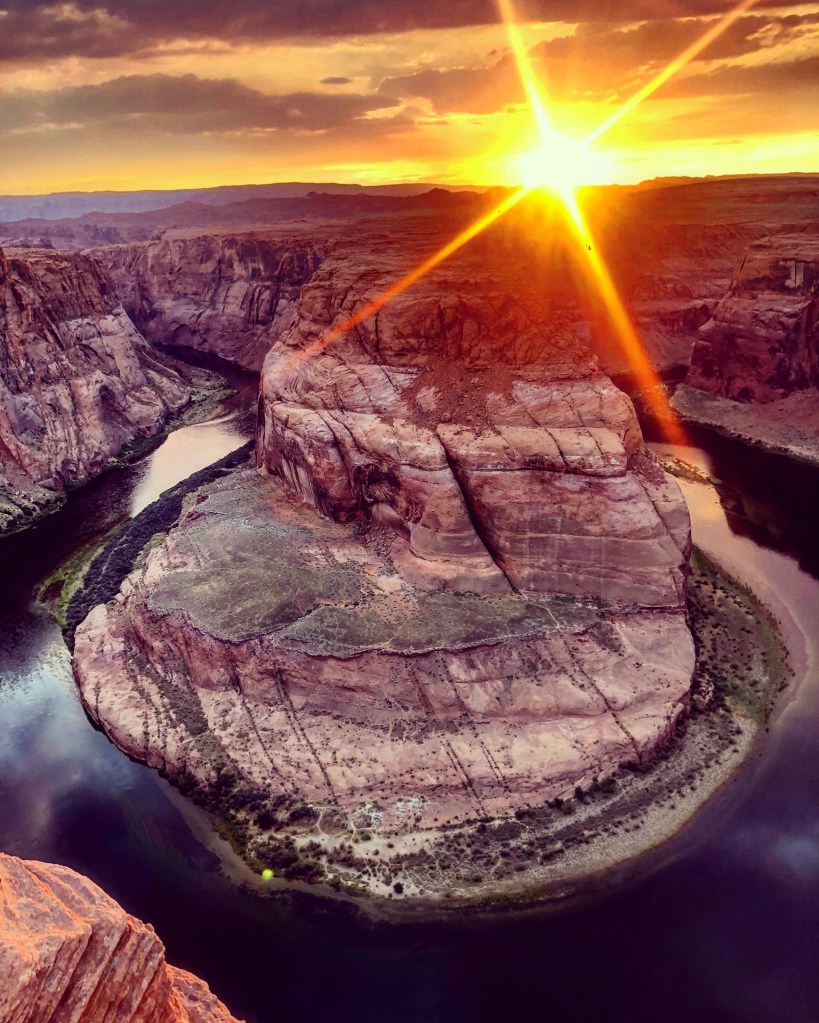
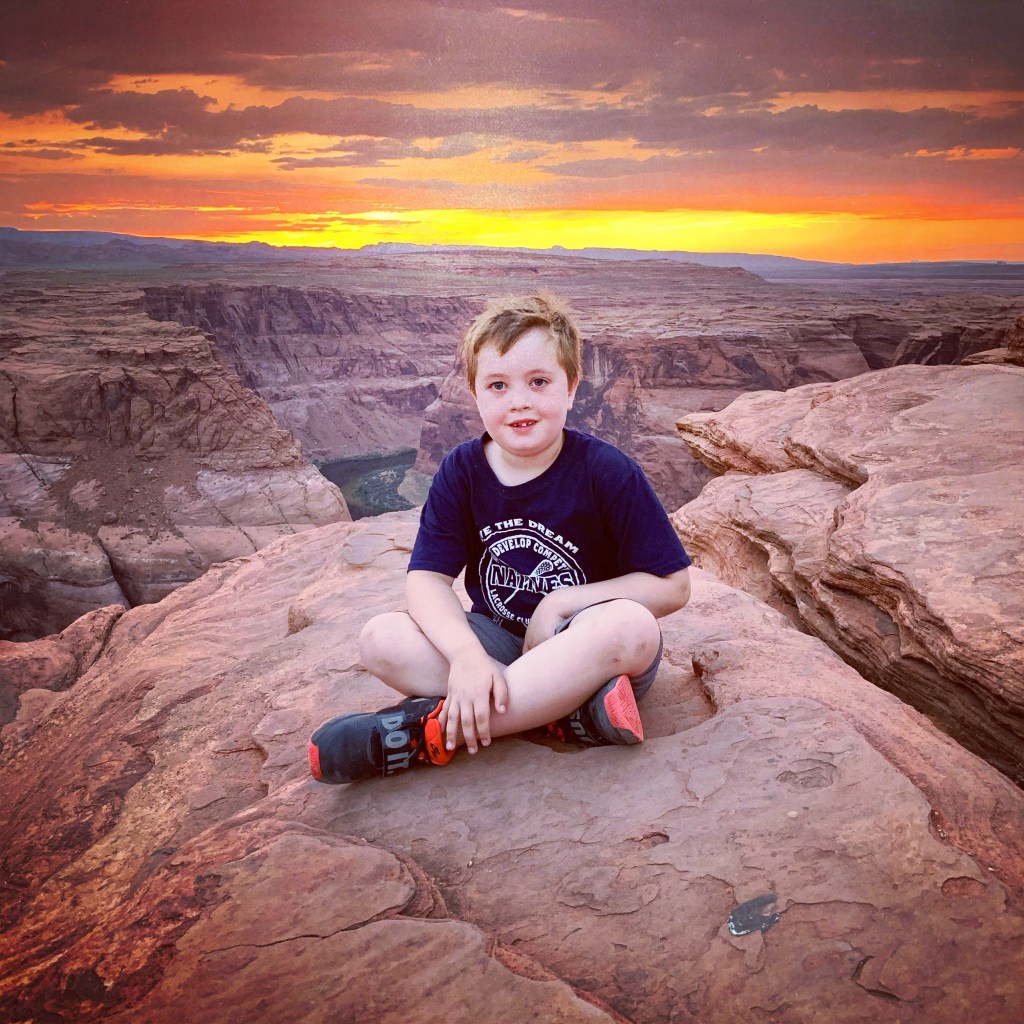
Horseshoe Bend is a scenic vista just south of Page. From the overlook, visitors can see the spot where the river curves, creating the shape of a horseshoe. There is a half mile trail leading to the views of the river, and all around the overlook are big rocks to sit on or climb for different view points. I imagine that it’s beautiful here no matter what time of day, but we opted to visit at sunset, and it was an incredible view!
Glen Canyon Float Trip
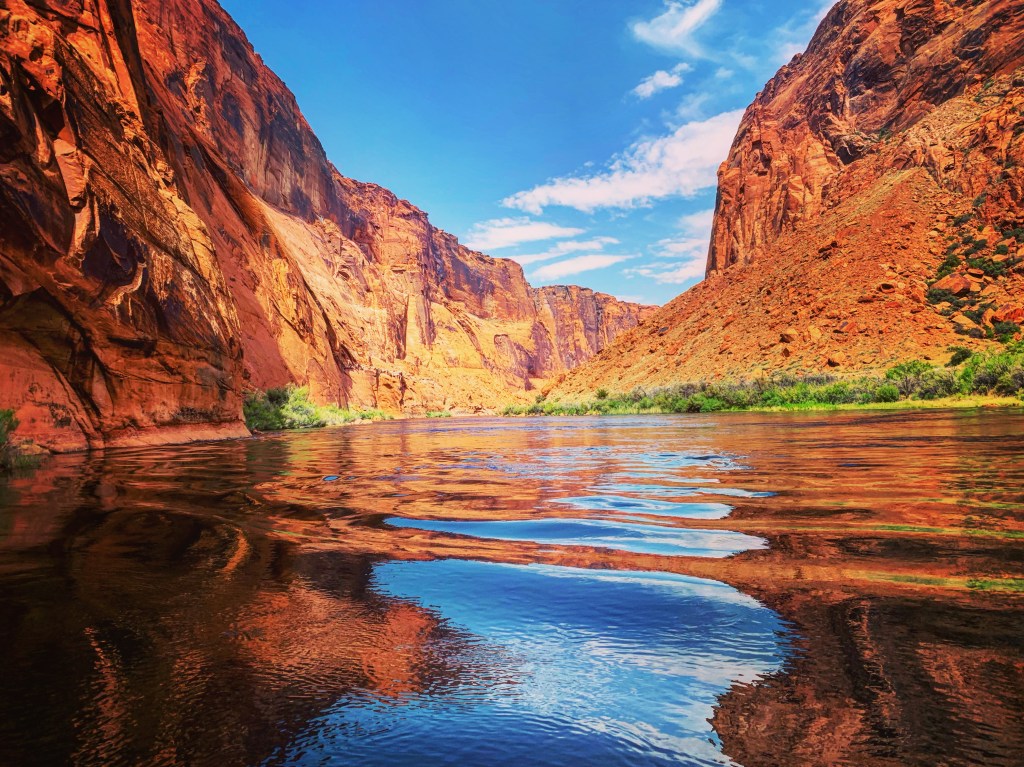
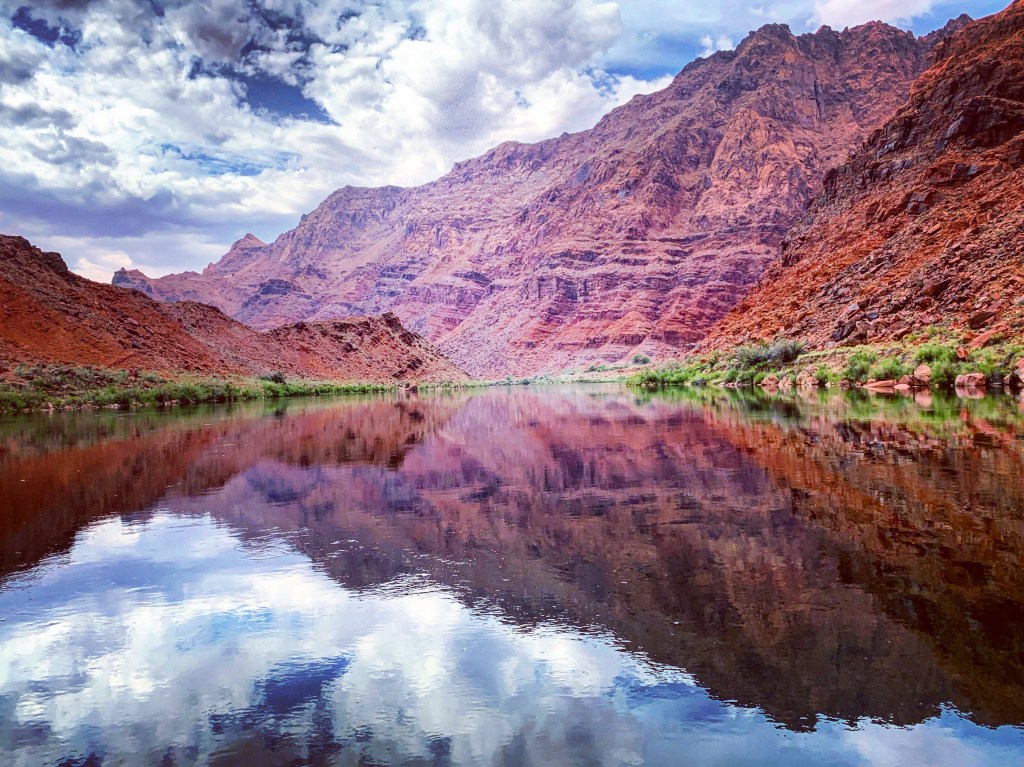
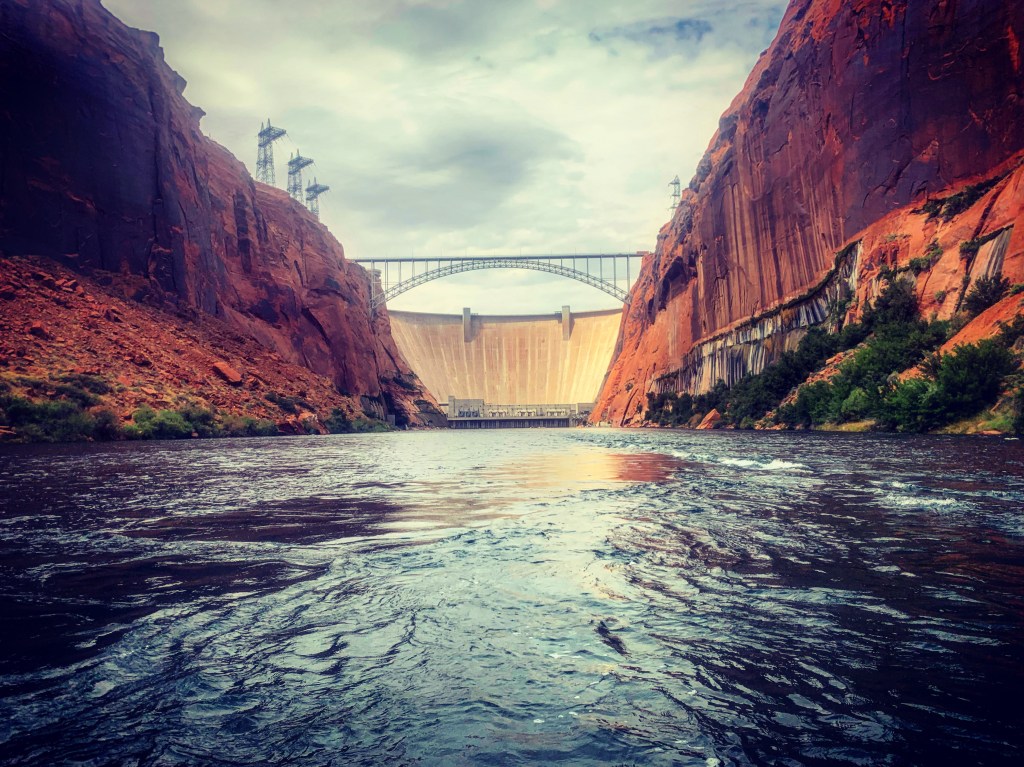
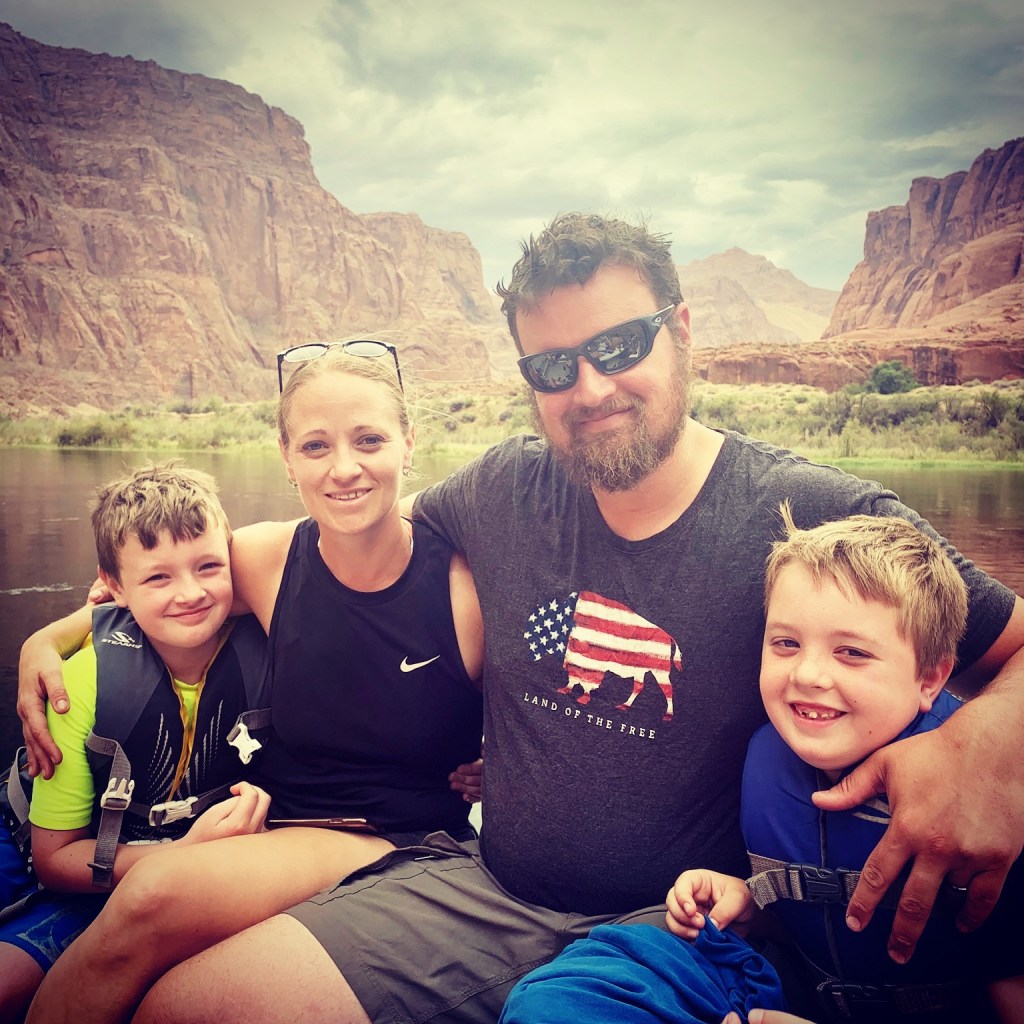
The best way to beat the Arizona heat is to get out on the water! We opted for a half day float trip leaving from Glen Canyon and floating fifteen miles to Lee’s Ferry. It started with a short bus ride to the Glen Canyon Dam, where we boarded the rafts. We had about fifteen people on ours, and we got a great spot near the front. The views of the canyon walls were amazing the entire trip. We floated past Horseshoe Bend, where we had seen the sunset the previous evening. We stopped at Petroglyph Beach and got out of the raft to see the carvings and take a dip in the freezing Colorado River. The entire trip was quiet and scenic with plenty of great photo opportunities. We even saw wild horses grazing near the end!
Page, Arizona should be a stop on any south west road trip. There is so much to see and do there, with plenty of family-friendly activities. The area is absolutely beautiful, and some of my best photos of the summer were taken at sites in and around Page. I only wish we had more time to spend there. We we definitely be back!
Zion National Park

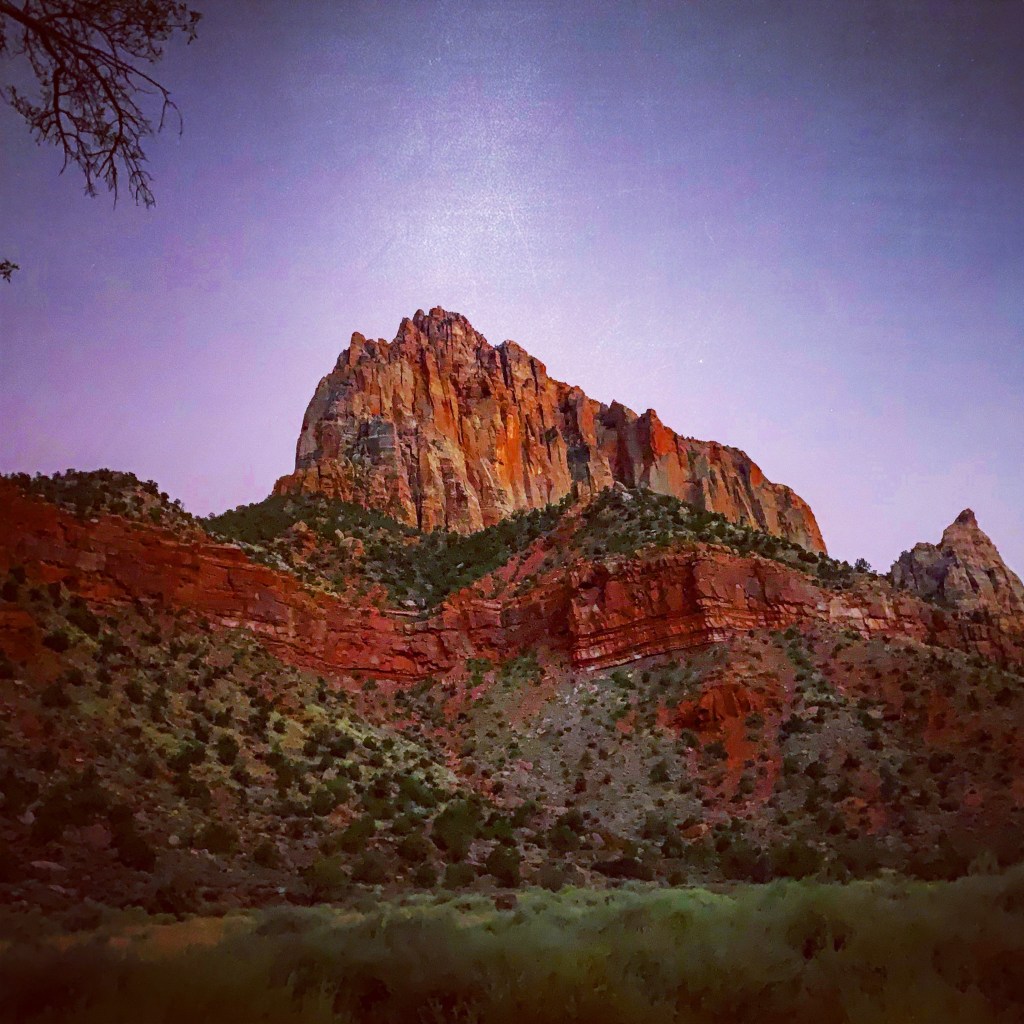
Zion National Park has quickly become one of the most popular national parks in the country. Although almost all national parks have seen an increase in attendance over the past decade, Zion’s location (just 160 miles from Las Vegas) and beautiful geography has rocketed it to the fourth most visited park in 2018. With over 4 million visitors a year, the park can feel very crowded, especially in the summer months. However, with some planning you can still have an amazing experience!

Hiking the Narrows

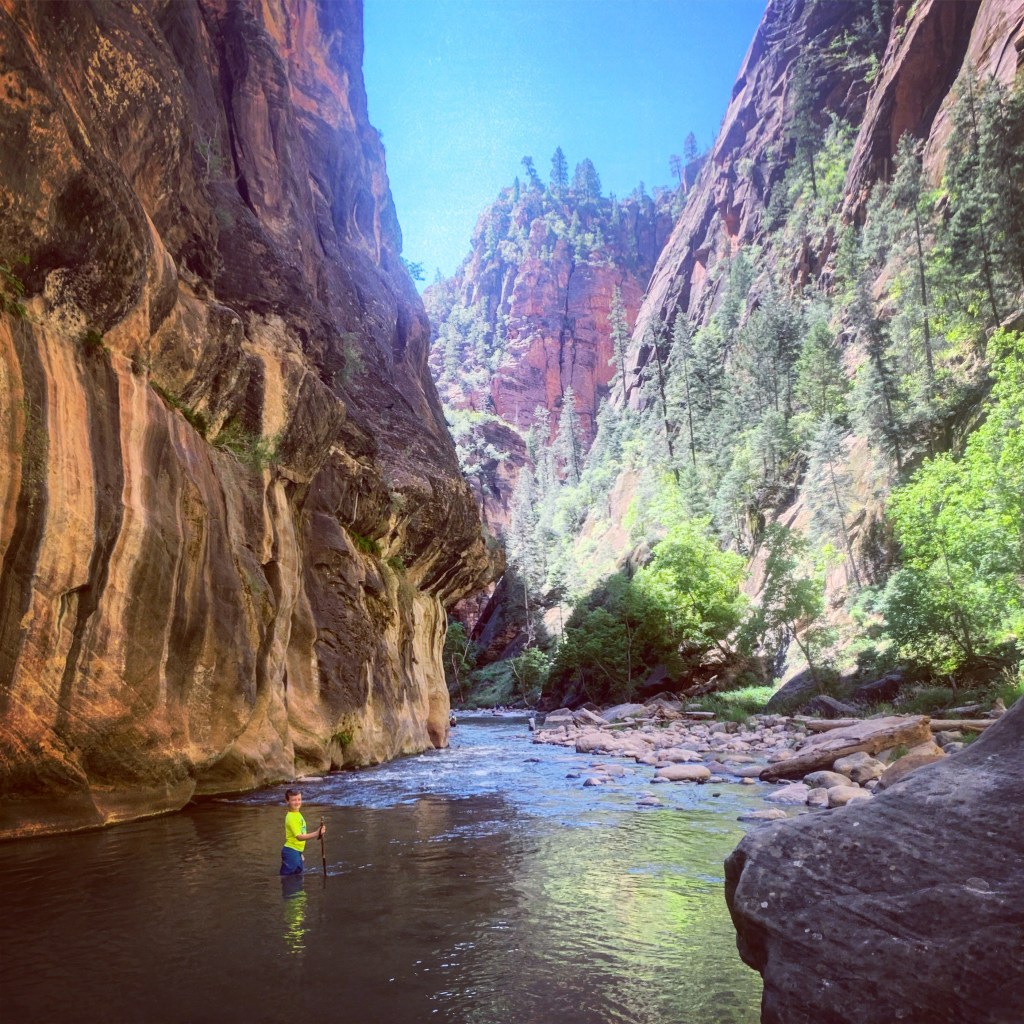
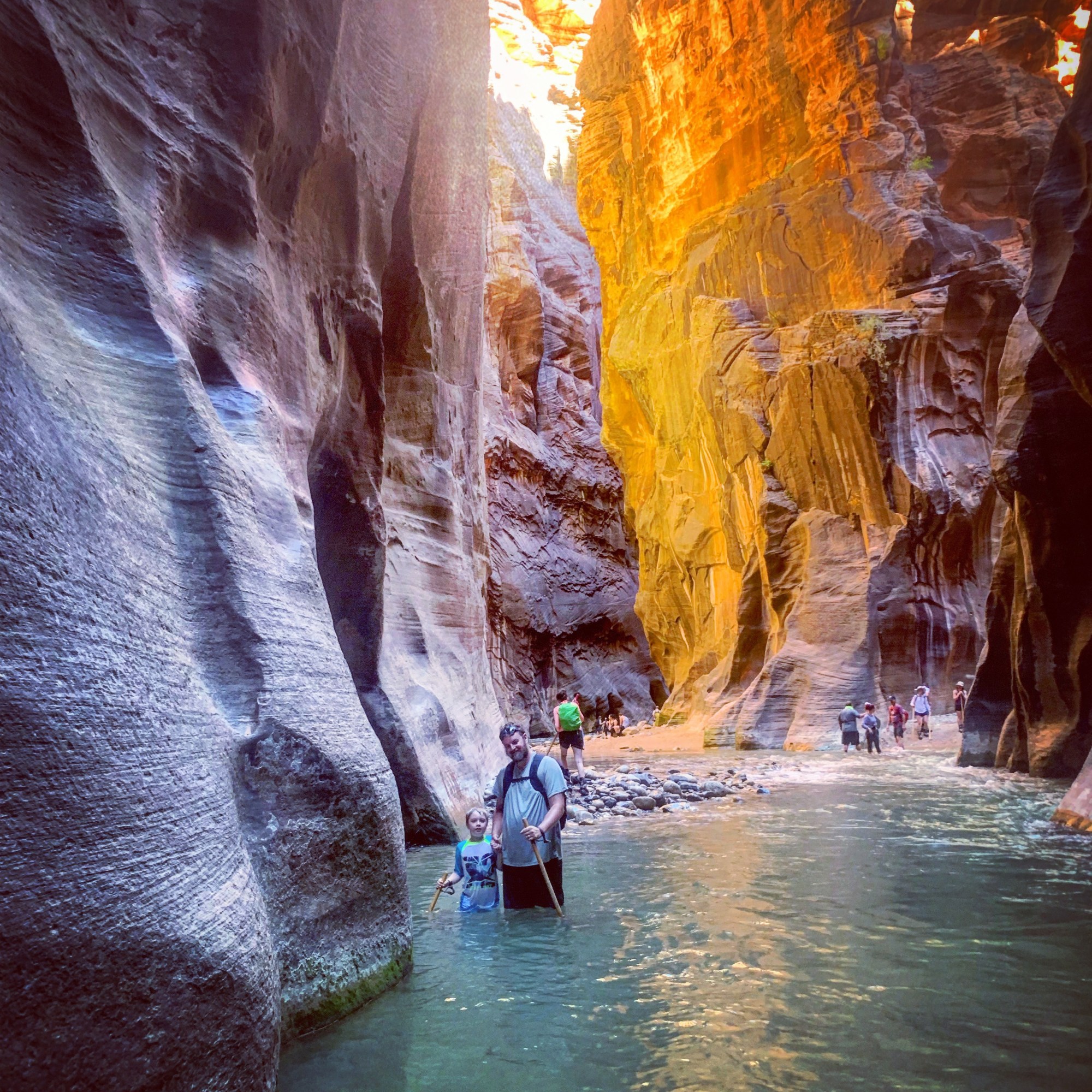
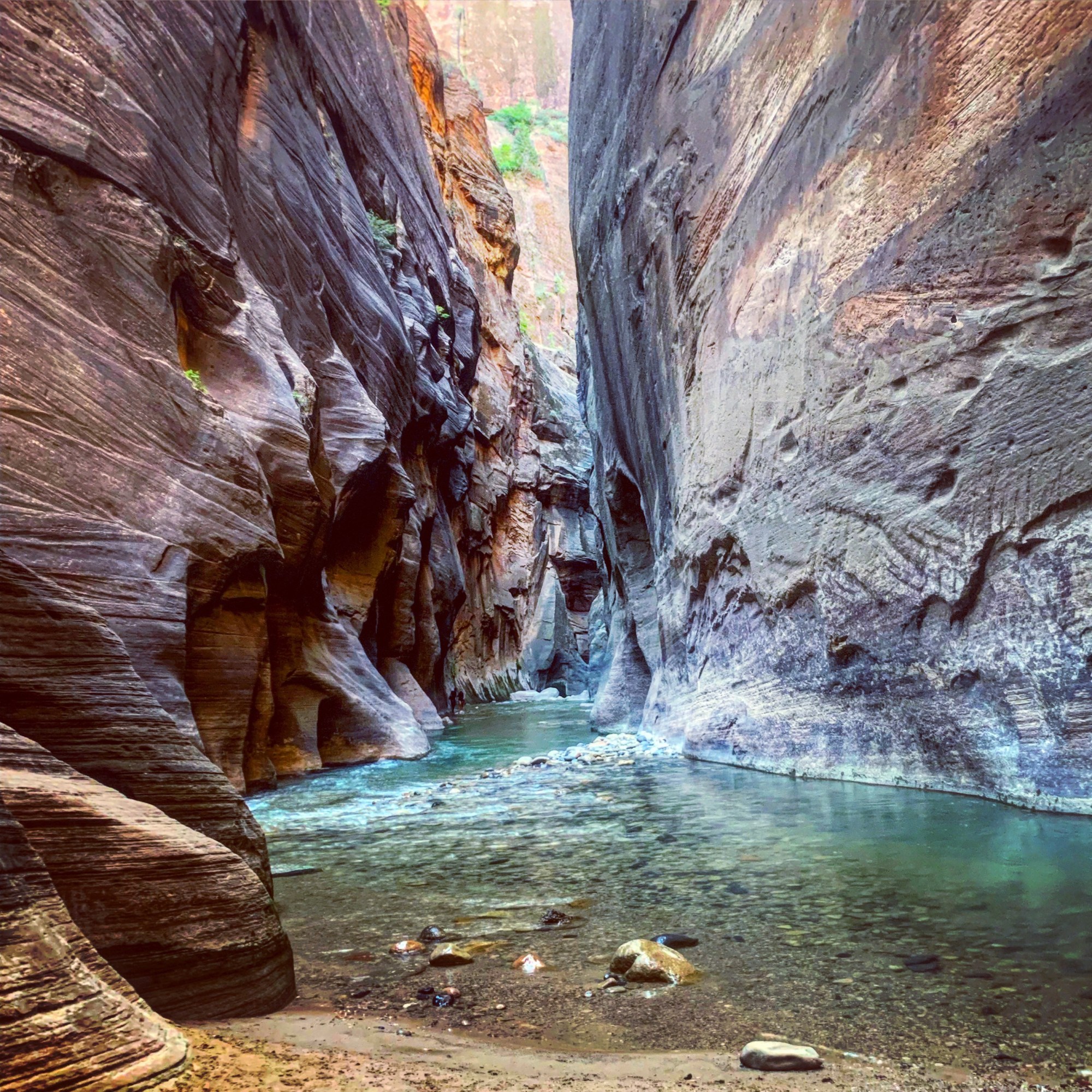
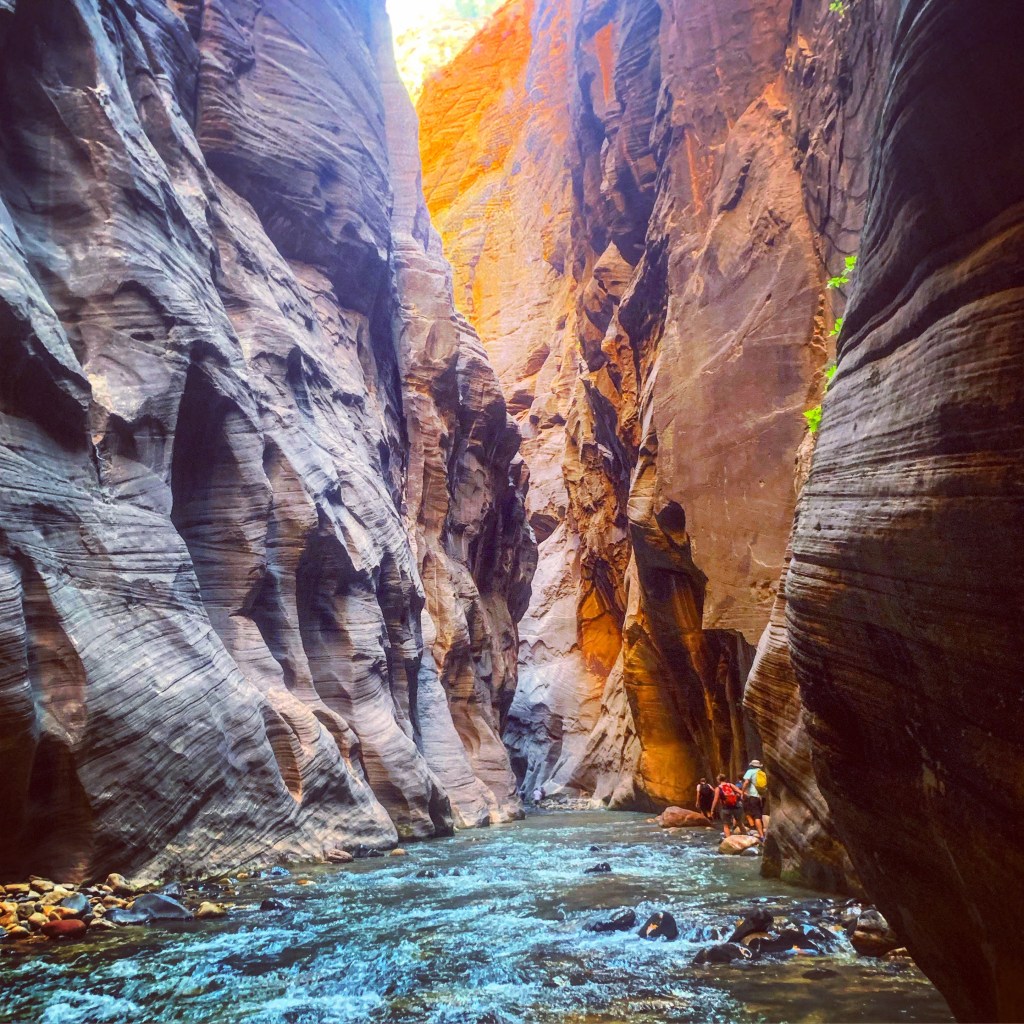
There was really just one thing our family HAD to do in Zion, and that was to hike the Narrows. The Virgin River flows through Zion Canyon, creating a beautiful gorge with thousand foot walls. The narrowest part of this gorge has been aptly named The Narrows, and it is one of the most popular locations in the park. This hike is unique because the river is the trail. Hikers must enter the river and wade over slippery rocks through flowing water to experience the beautiful views in the canyon. With the right equipment and preparation it can be an unforgettable experience! Here are our tips for a successful hike in the Narrows.

#1: Rent equipment

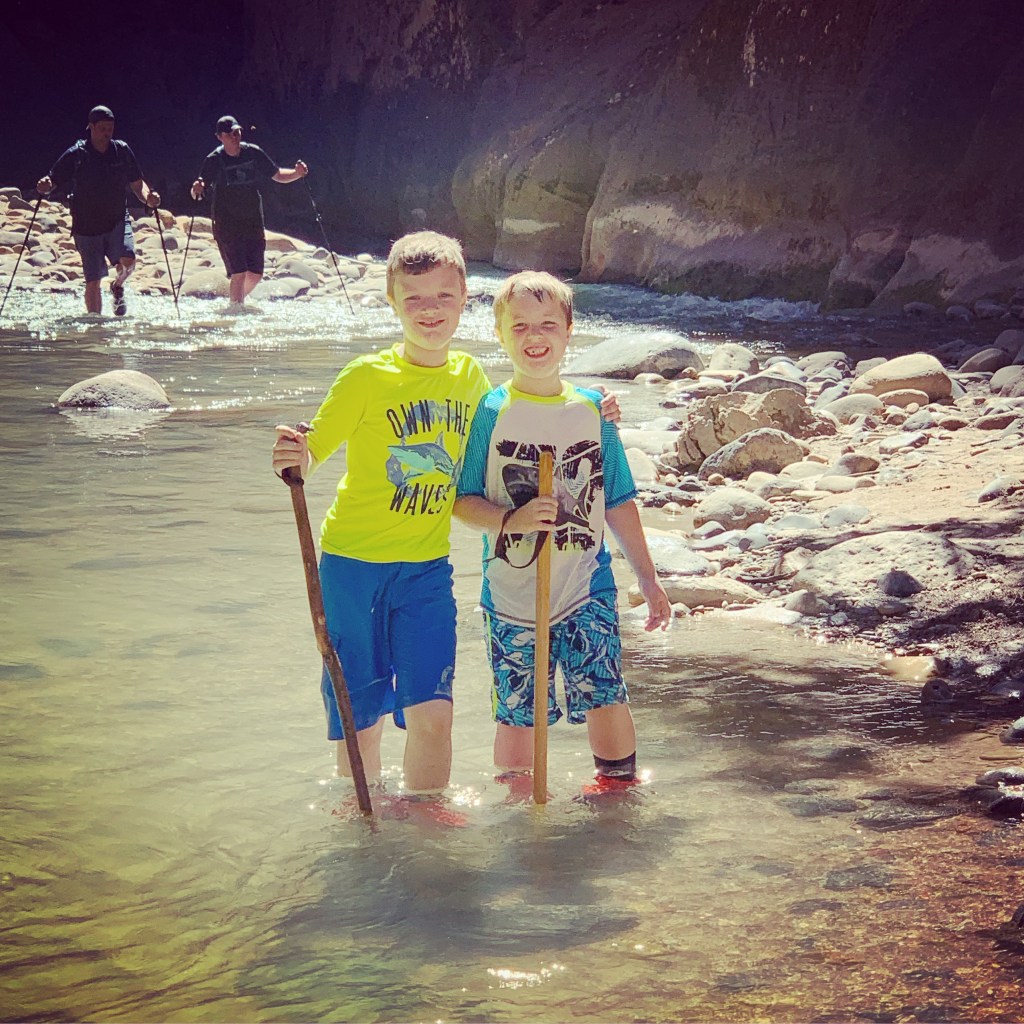
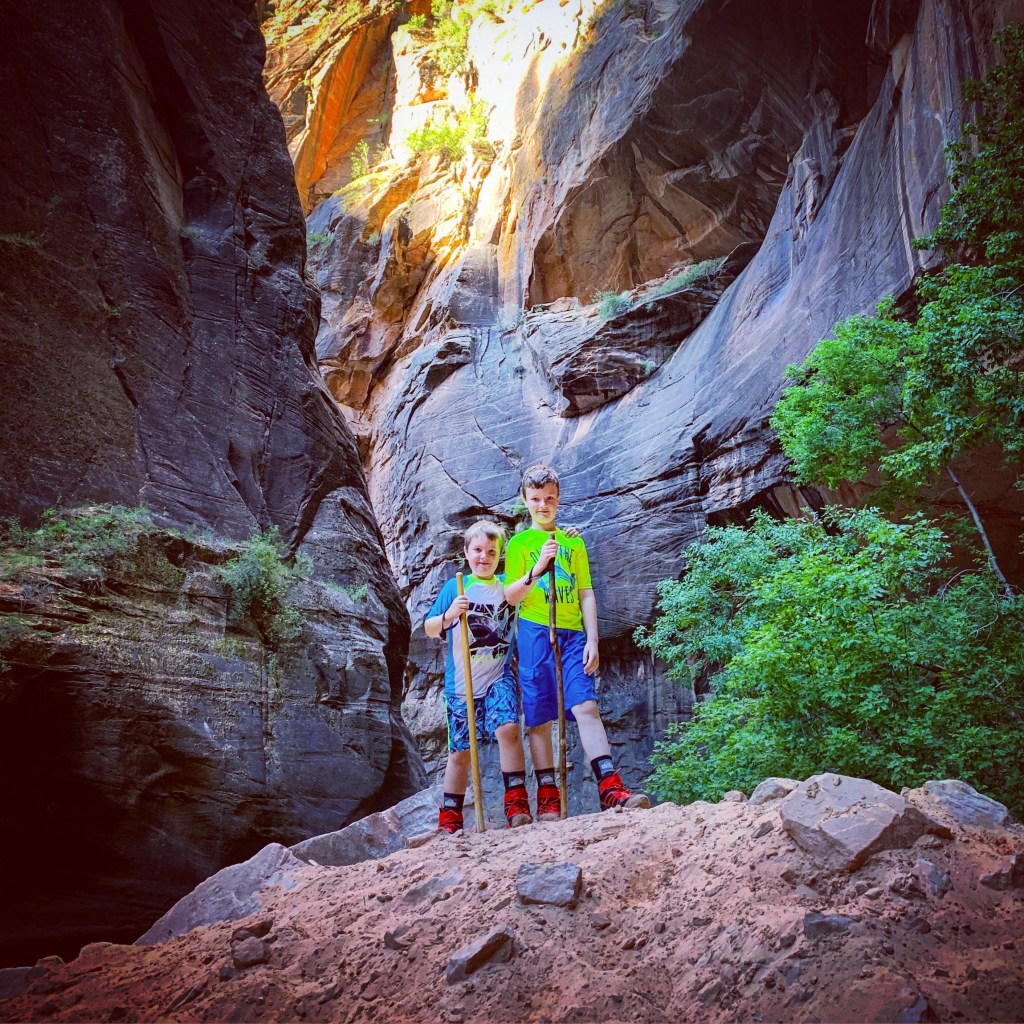
Hiking through a river can be challenging to begin with, but without the proper equipment it can be dangerous. Several outfitters in the nearby town of Springdale offer rental packages. The items and prices vary with the season, but we opted for the warm weather rental from Zion Outfitter for $25. This price included the sweet red canyon boots that the boys are wearing in the picture (they come in adult sizes, which look equally ridiculous), neoprene socks, and a hiking stick with a wrist strap. Many people try to hike the Narrows in bare feet or old sneakers, but that could easily turn into a sprained ankle. The canyon boots have a thick rubber bottom that grips the rocks and is designed for the purpose of hiking in water. They aren’t waterproof, so the water does get in and squish around as you hike. I guess this is all part of the fun though, right? At first, I didn’t think the walking sticks would be all that necessary, but after experiencing this hike, I wouldn’t go without one. They prevented so many falls and helped us keep our balance while navigating the rocks and currents. And Zion Outfitter allowed us to pick up the equipment the day before our hike without an extra fee, which helped us get an early start. I also suggest getting a waterproof case or pouch for your cell phone or camera. It allowed me to capture these photos without fear of dropping my phone into the river!

#2: Get there EARLY

I can’t emphasize this point enough. The Narrows is absolutely beautiful, but it is one of the most popular locations in the park. Because the river isn’t wide, the space for hikers is limited. We woke up at 5:00am, quickly dressed, put on our crazy canyon boots, ate a quick breakfast and grabbed our supplies. We were lucky enough to be camping in the park, so we only had a short walk to the shuttle stop at the Visitors Center. The first shuttle leaves at 6:00am. I don’t think we made it for the first one, but we were close. The ride to the Temple of Sinawava stop was about 40 minutes so we arrived a little before 7:00am. The shuttle was pretty full, even at this time of the morning, but there is a one mile walk on a paved trail to get to the start of the Narrows. We entered the Virgin River at the same time as a handful of other families. After hiking for about an hour, there were no other people in sight. For about 4 of the 6 hours that we hiked, we saw very few people. However, as we were leaving the Narrows around 1:00, hikers were shoulder to shoulder coming in. We heard someone describe it as, “more crowded than Disney World.” I heard another person say, “Can you imagine how cool this would be if we were the only ones here?!” You can! It’s possible to experience the Narrows as a quiet, solitary hike if you’re willing to lose a little sleep.

#3: Take it slow

This is a hike that is definitely more about the journey than the destination. To hike the entire Narrows is around ten miles round trip. Very few people set out to complete that, partly because walking in water isn’t easy and partly because there’s no need to hike that far to experience the beauty of the gorge. Along the way are walls of rocks, little waterfalls streaming down, boulders to climb, patches of earth to take a rest on, and chest high water to swim in. I suggest you take it slow and steady, be cautious to prevent injuries, and enjoy the natural surroundings.

#4: Hike as far as possible

The further you go, the fewer people you see. But also, the canyon becomes even more narrow. Very little sunlight can reach the bottom unless the sun is directly overheard, and the canyon walls take on some beautiful curves. It took us about three hours to reach the most narrow point, and I have to give props to my boys because we didn’t see any other children this far in. They were troopers, and they were rewarded with an unforgettable hike!

#5: Soak it all in

I’ve completed many hikes in my day, but the Narrows is a special experience. There’s something about hiking in the cool water, surrounded by rock walls that have been there for millennia, listening to the birds, and eventually feeling the warm rays of the sun that awakens all of the senses. As I mentioned before, this hike is about the journey. It’s difficult to walk quickly in water, and there’s no reason to rush. There’s really no destination to seek or goal to achieve. This allowed us to slow down and soak in the experience, and I just kept thinking about how grateful I was to be there with my family.

Hiking the Narrows was another check off on my bucket list, and it completely lived up to my expectations. Hopefully these tips will help someone else to have a good experience! And this definitely won’t our last trip to Zion National Park. If you know anything about Zion, you might be wondering how we skipped the Bright Angel Trail. (Look it up if you haven’t heard of it!). We decided the boys, especially Liam, were a little too young to navigate the steep drop-offs and chains. So I’ll be back to complete that some day, most likely with my daredevil Jack at my side!

Bryce Canyon National Park

Another day, another beautiful Utah park! Bryce Canyon National Park is famous for hoodoos, the tall, weathered rocks that cover the landscape. It is the largest concentration of hoodoos found on the planet, and they make for some beautiful photos! Because the campgrounds in the park weren’t taking reservations this summer, we stayed at Ruby’s Inn and Campground just a few miles outside the entrance to Bryce. I’m not a huge fan of private campgrounds to begin with, but Ruby’s was an unforgettably bad one. However, the proximity to Bryce Canyon was great, and we spent a full day hanging out in the hoodoos. Here are the highlights of our time there:

Mossy Cave Hike

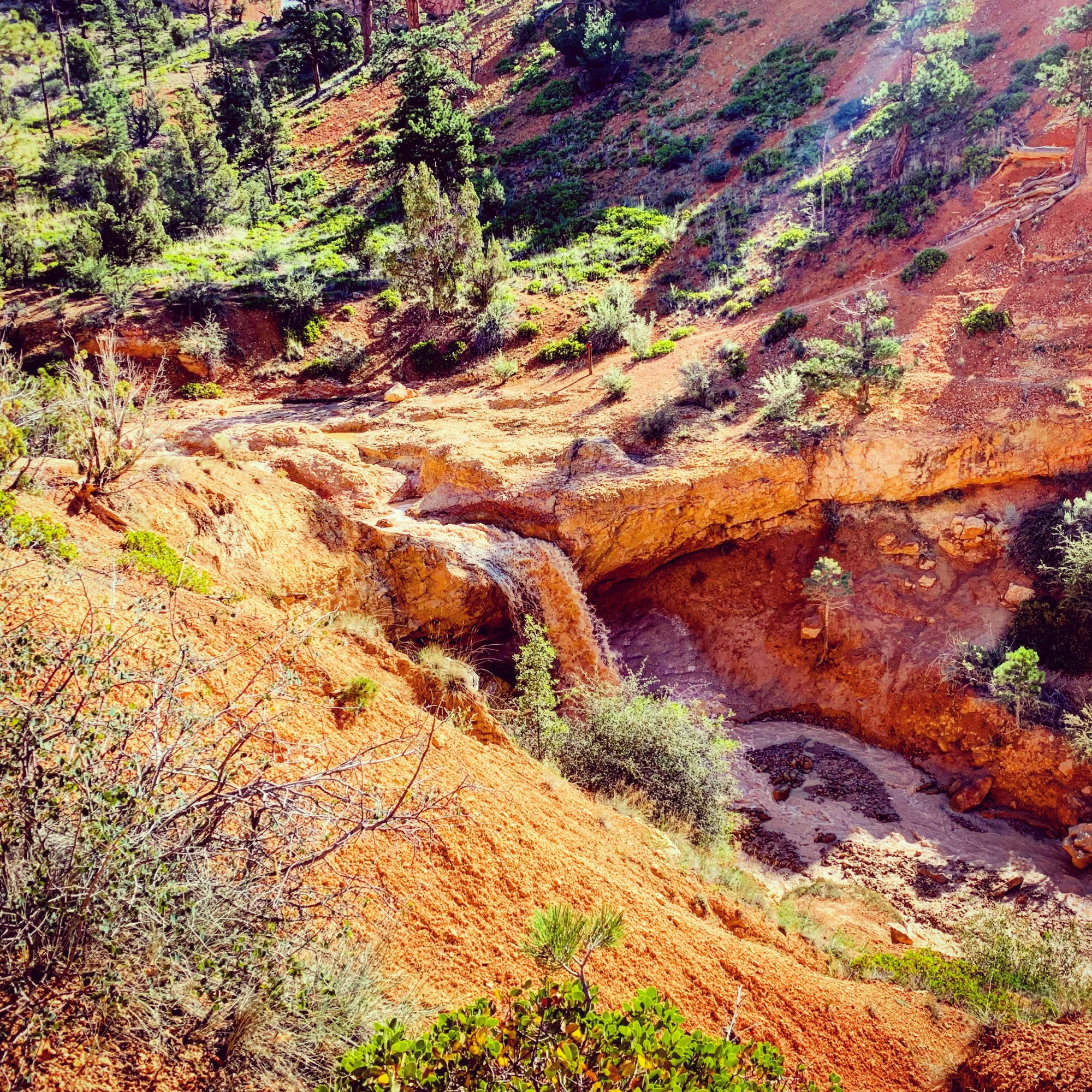
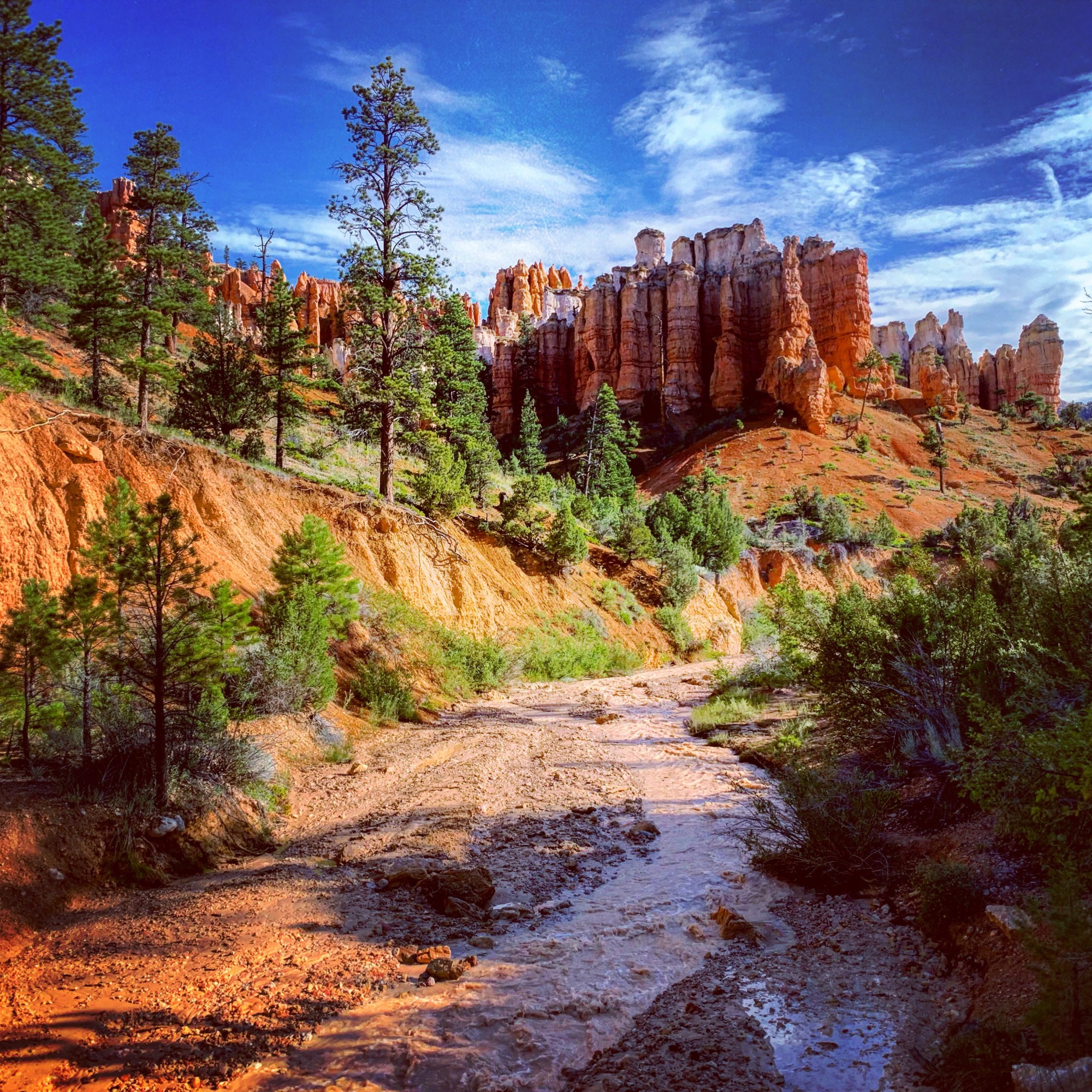
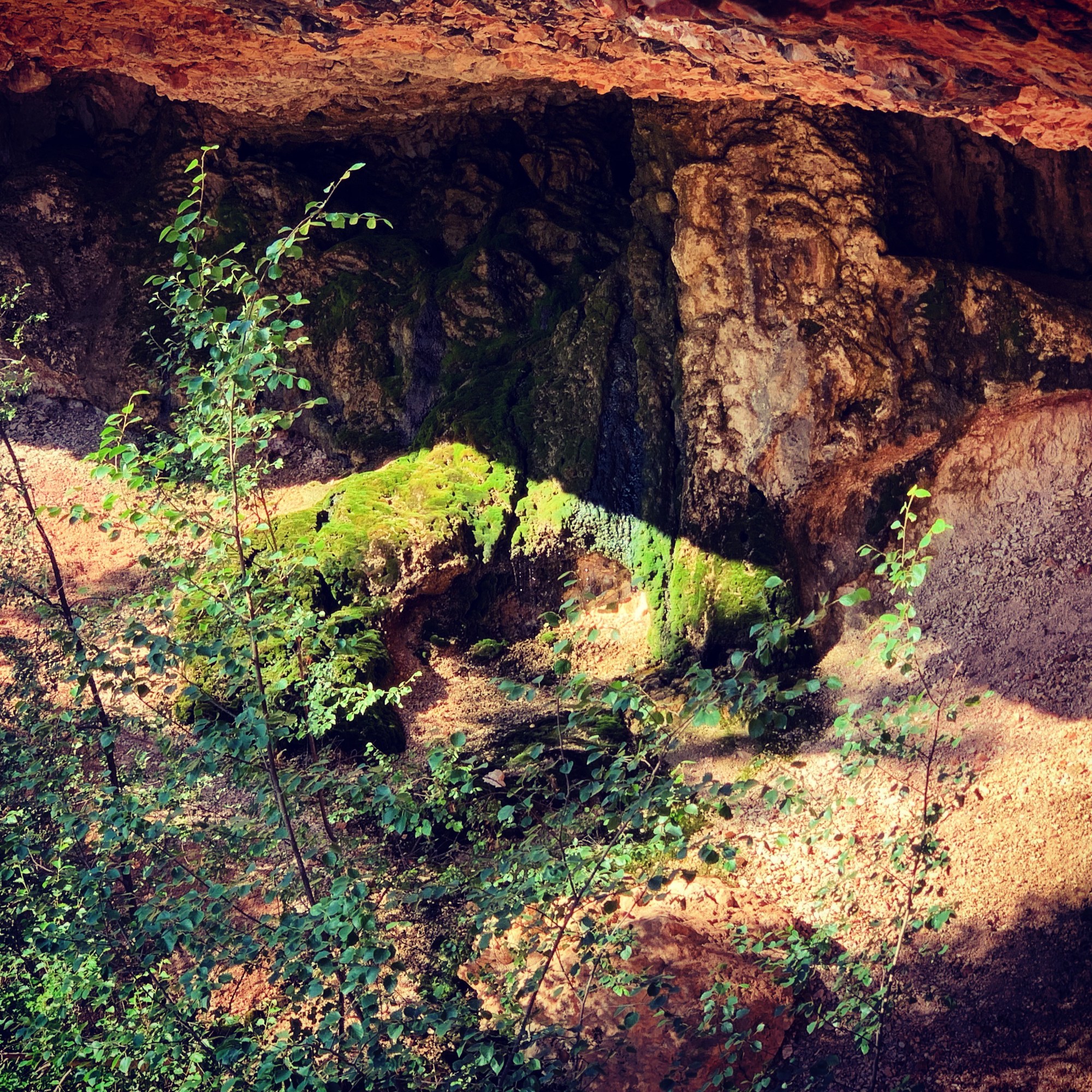
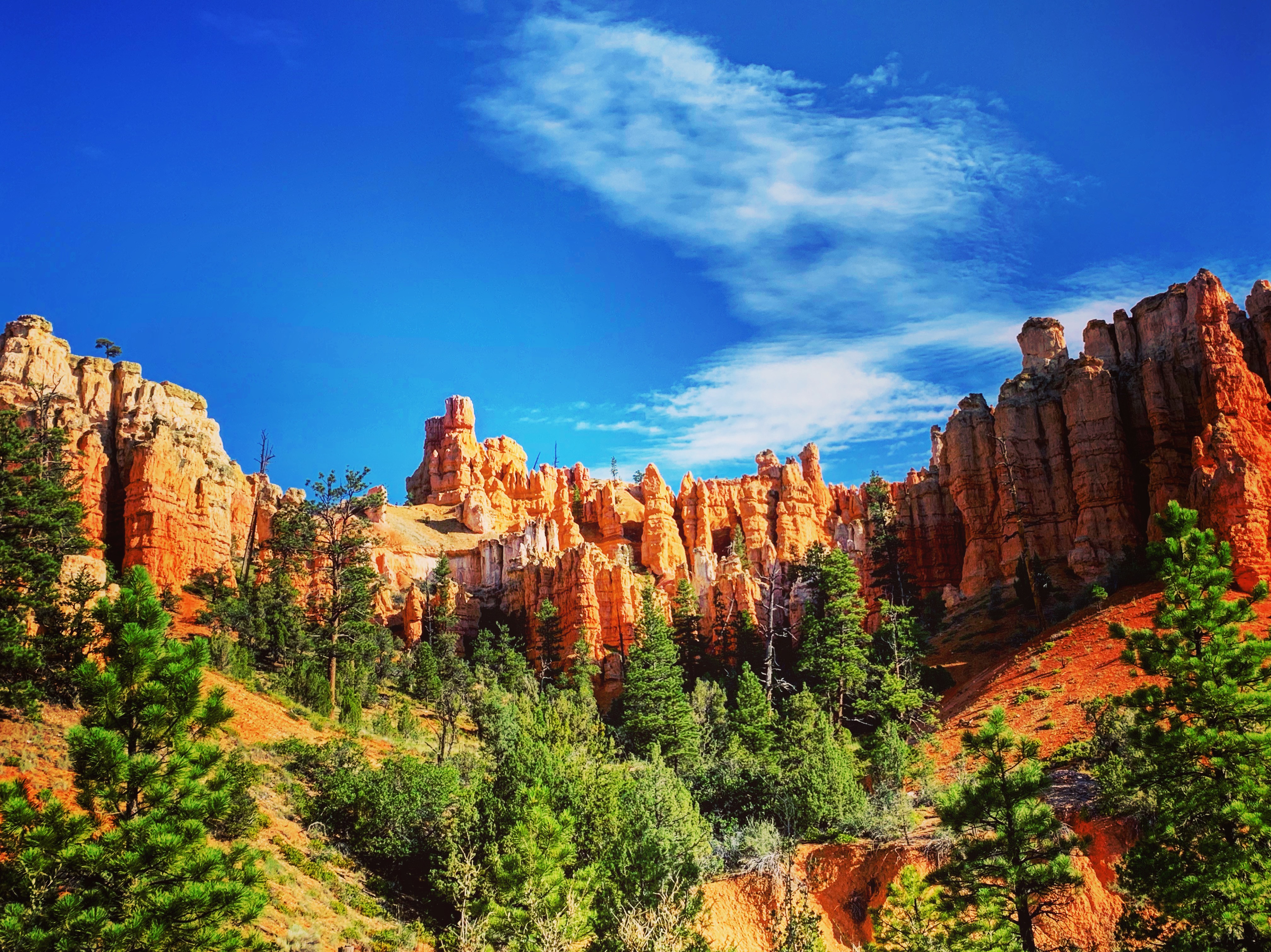
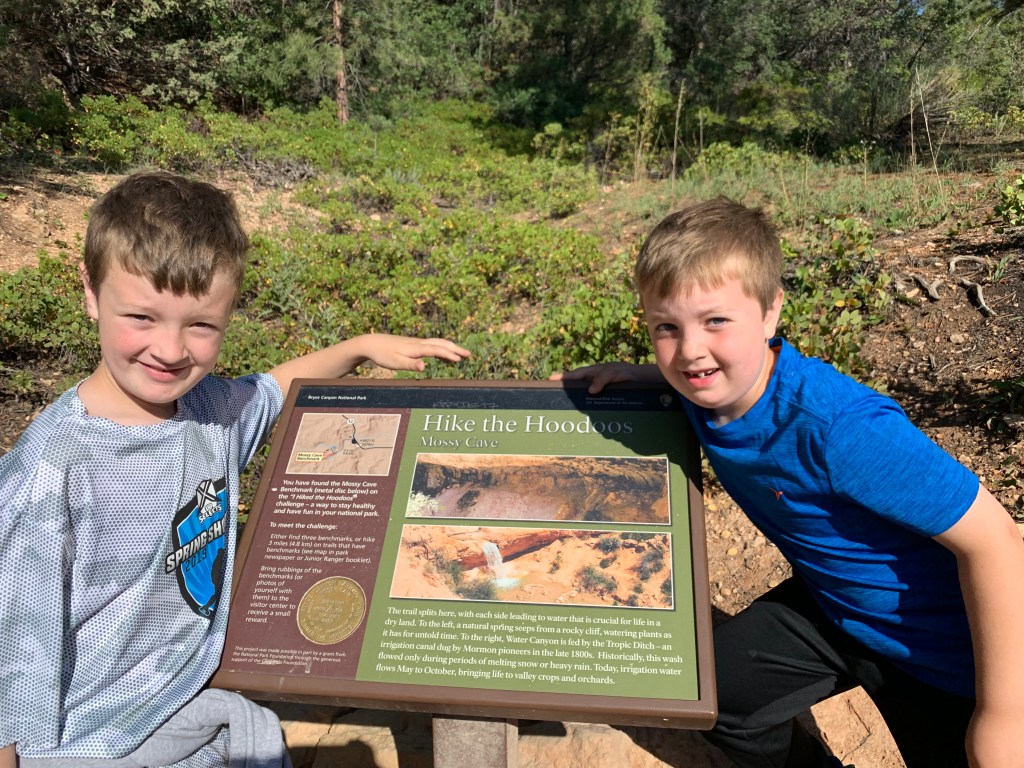
We started our day with this short, fun little hike. The hike begins along Route 12, rather than inside the park. It’s less than a mile, but goes past a muddy river, up a hill, and then branches. The path to the left goes up to Mossy Cave, a cavern with water dripping and plants growing. The trail to the right gives views of a waterfall. Along the trail, hoodoos are visible. We opted to do this with a ranger guiding the way, so we were able to learn about the history of the area and the geology of the park. I wouldn’t prioritize this hike, but it’s especially good for preschoolers since it’s very short with plenty to see.

Queens Garden to Navajo Loop Trail

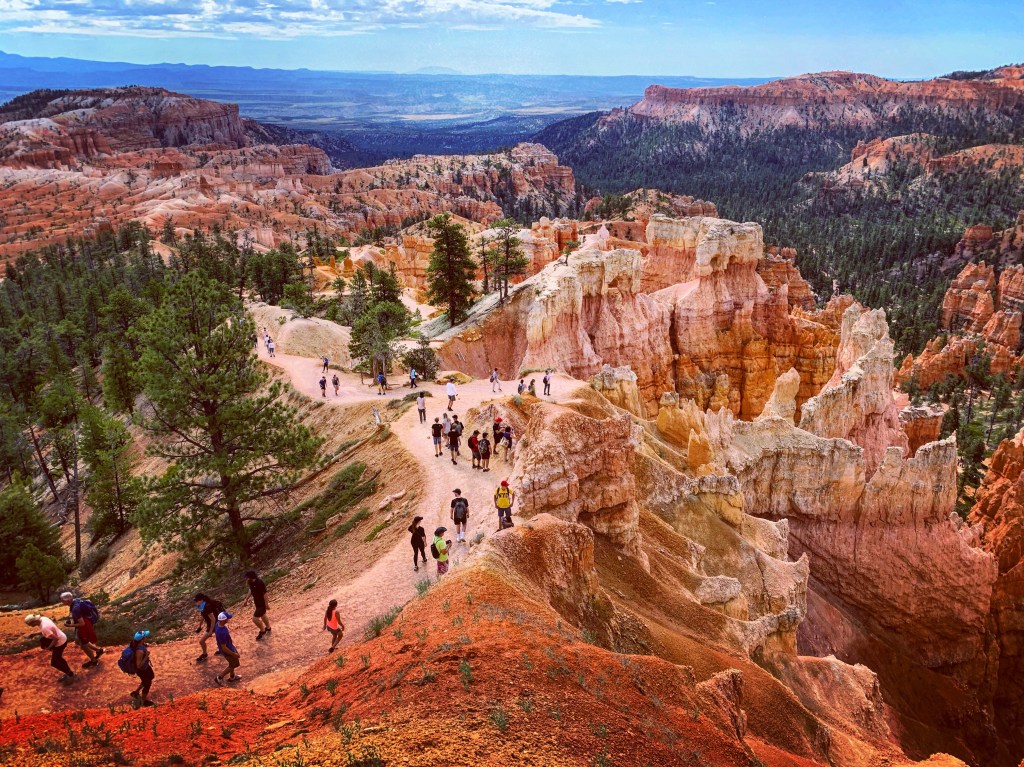
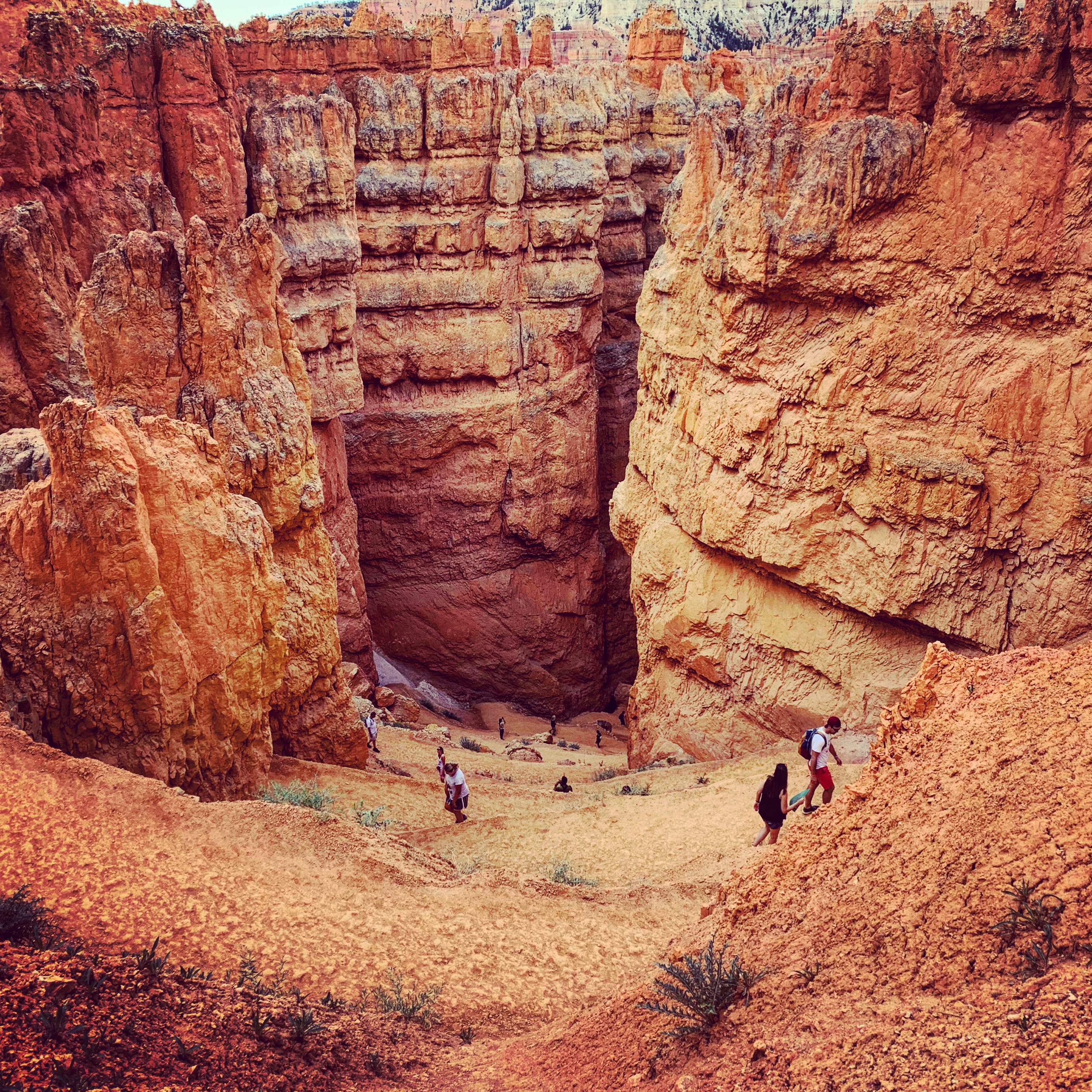
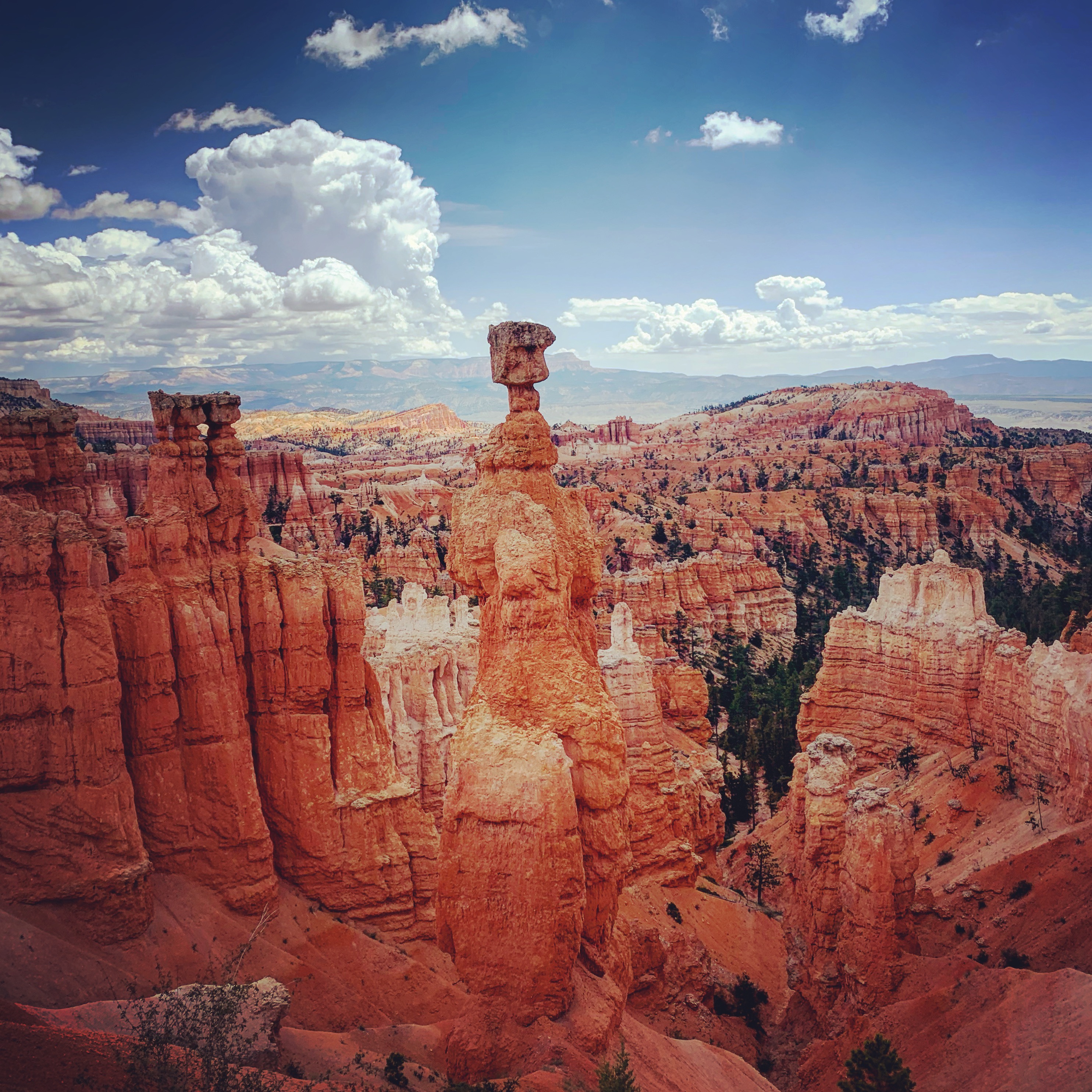
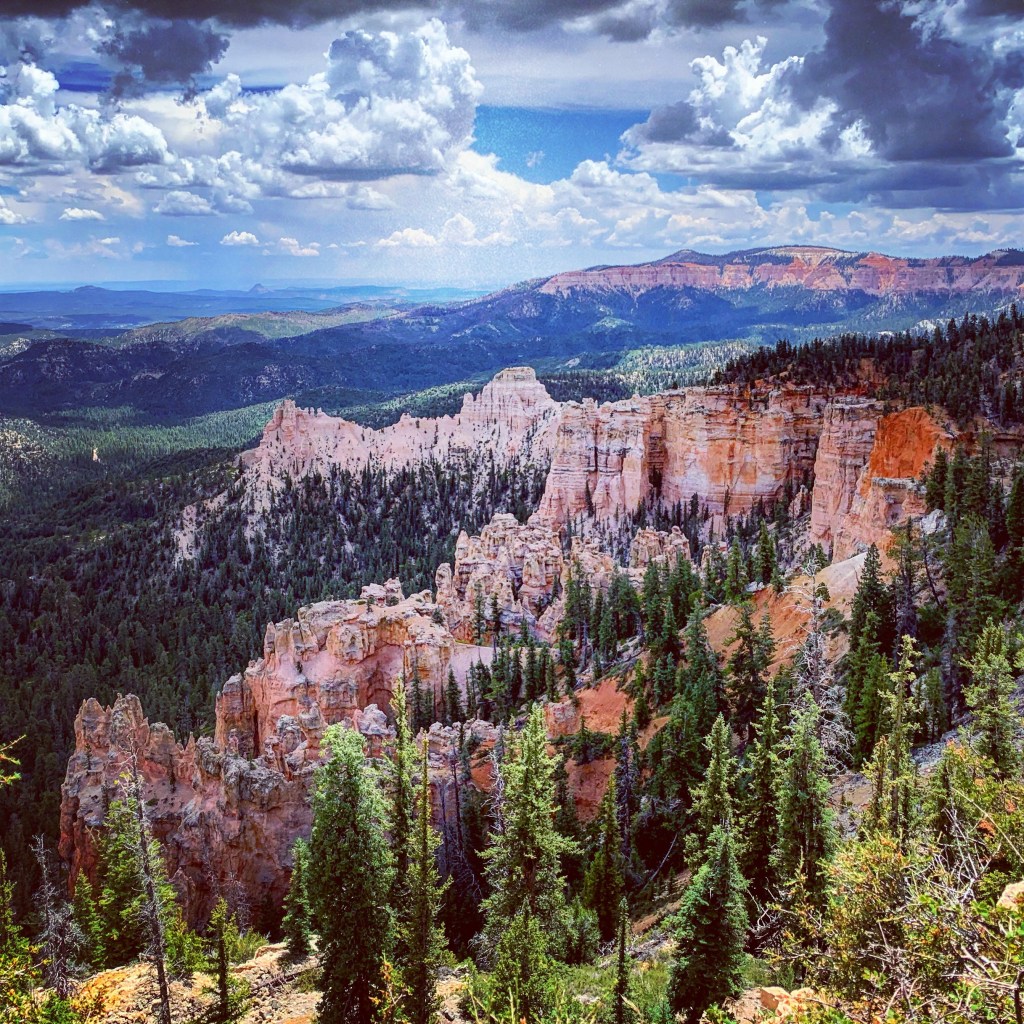
After our short hike to Mossy Cave, we headed in through the main entrance and parked at Sunrise Point. Looking down at the canyon from the rim is beautiful, but hiking down in and walking among the unique geological features is definitely a memorable experience. The Queens Garden to Navajo Loop is a 2.6 mile hike that combines two popular trails and can be done in either direction. We chose to enter the canyon on the Queens Garden trail, which begins at Sunrise Point. This is considered the least strenuous trail because it descends more gradually than other options. If you’re worried about hiking at elevation (or just generally hate climbing uphill), I would recommend doing this hike in the opposite direction. Start on the Navajo Loop side of the trail to avoid climbing up the steep switchbacks at the end of the hike. No matter where you begin, the trail will take you down 580 feet and allow you to walk among the hoodoos. We stopped at Queens Garden, Two Bridges, and Thor’s Hammer along the way before hiking out of the canyon on the Navajo Loop trail, ending at Sunset Point. This is an excellent family hike, but be sure to bring lots of water and take breaks on those crazy switchbacks as needed! The photos below show some of the views from the trail.

Scenic Drive

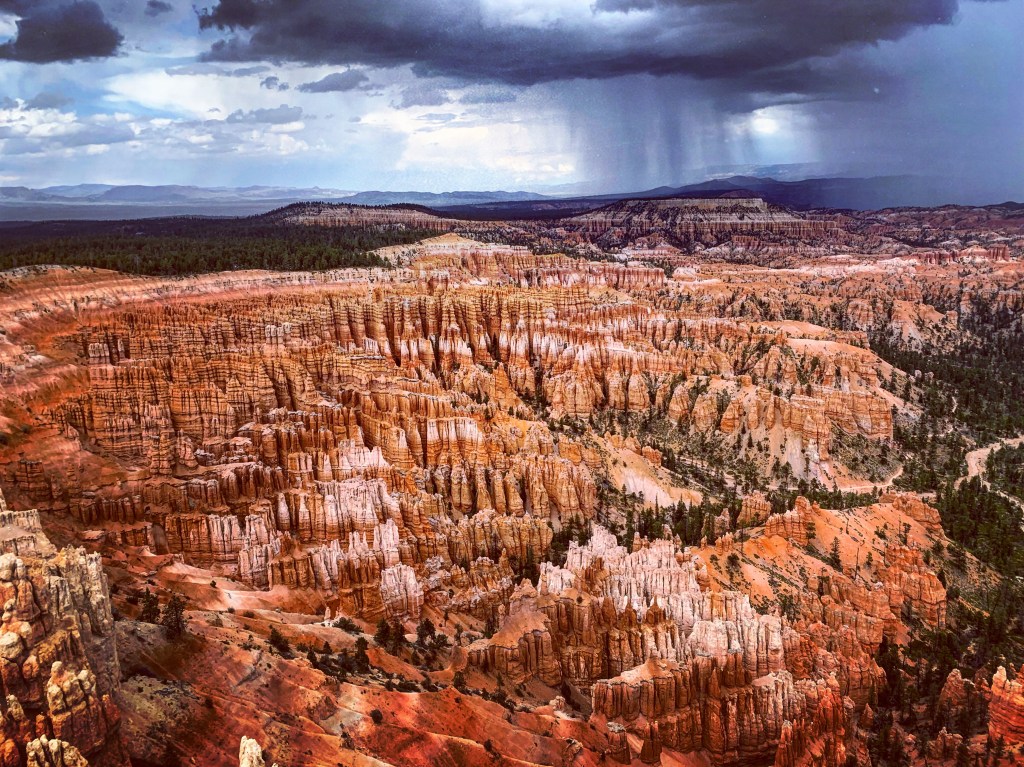
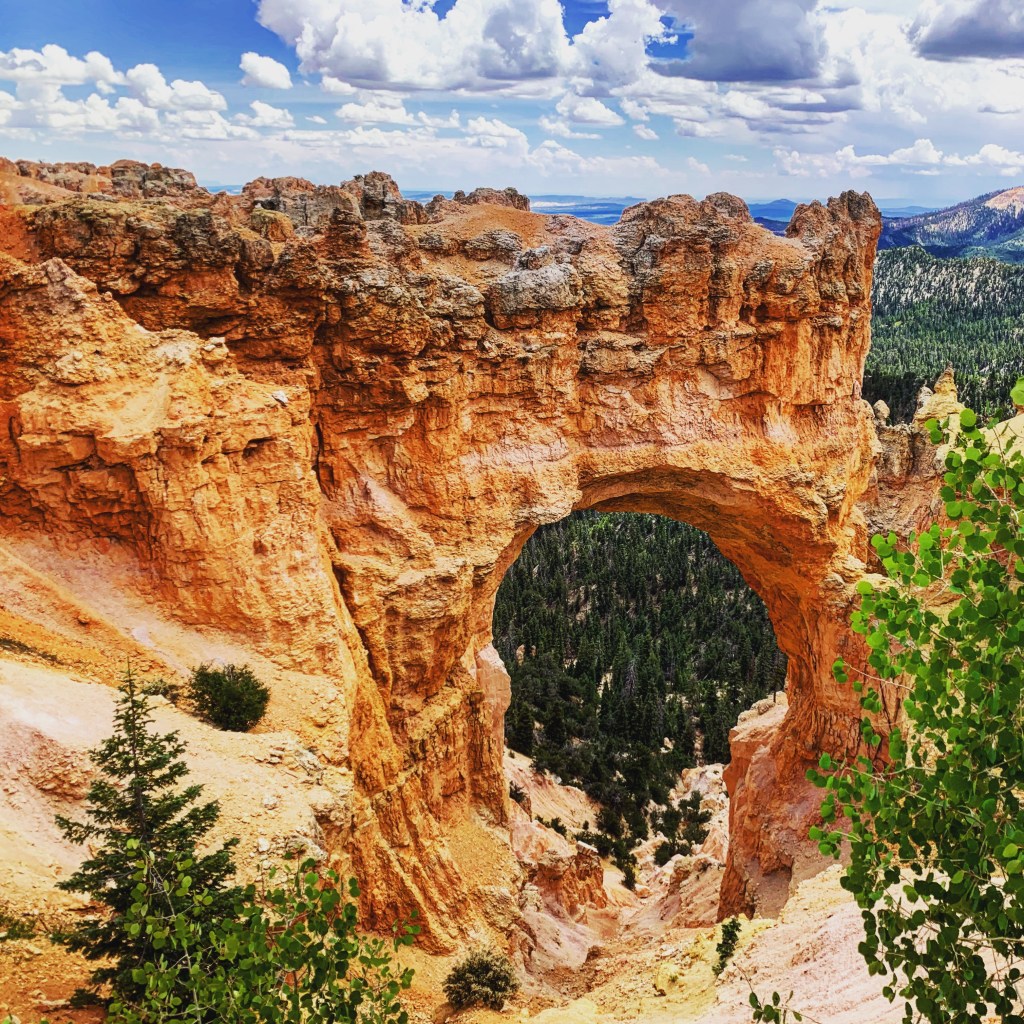
If climbing up and down steep trails isn’t your idea of a good time, there’s still plenty to see at Bryce Canyon! The sweeping views from the canyon rim are amazing and can be seen from the various stops along the 36 mile (round trip) scenic drive. After our morning hikes, we stopped at the picnic area near Sunrise Point to refuel then headed out on the scenic drive. We drove the entire length, stopping at most of the overlooks. Some of the stops on the drive have a short, paved trail to get to the scenic view. Our favorite stops (not counting Sunrise and Sunset Points) were Natural Bridge, Rainbow Point, and Inspiration Point. It started to rain on the way back, and there were storm clouds in many of our pictures. By the time we got back to the Visitor Center it was a full downpour. I’m glad we got our hikes in early!

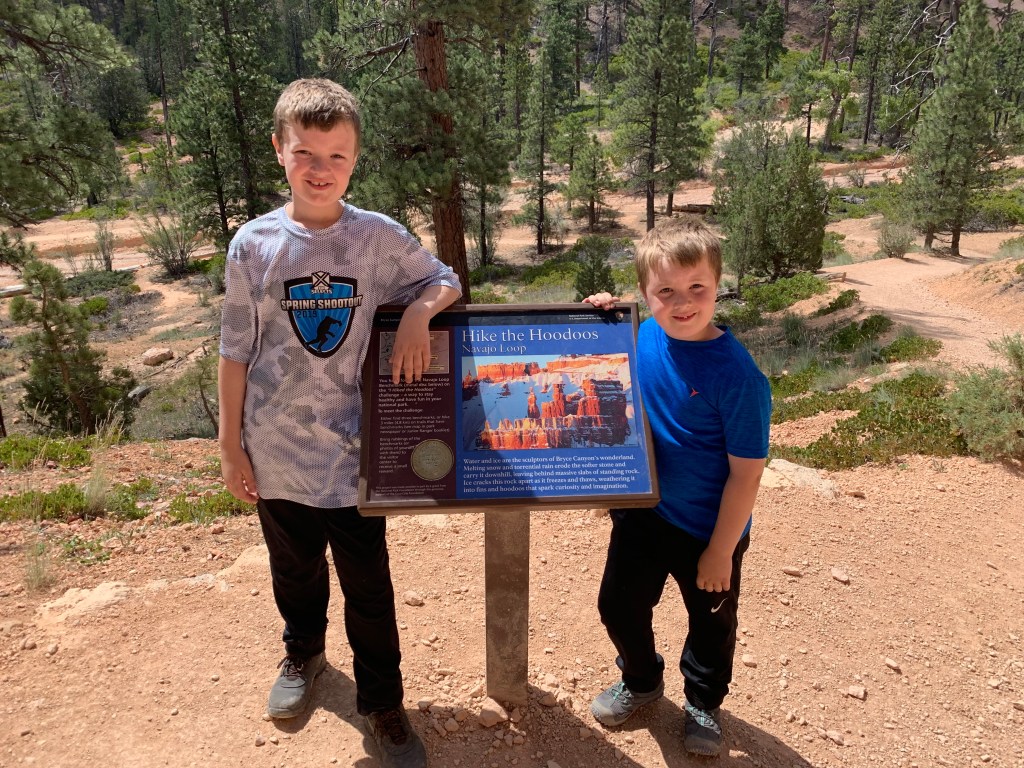
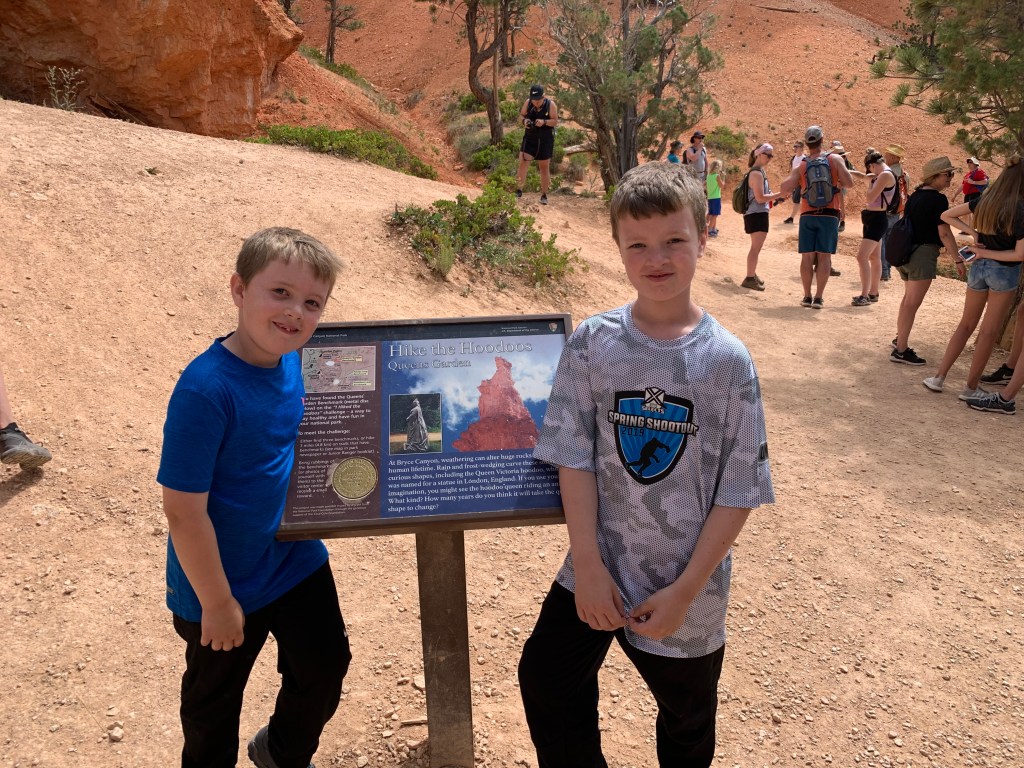
We had a busy day exploring Bryce Canyon. The scenic drive was beautiful, but hiking the canyon was my favorite part of the day. It seems that the National Park Service agrees, and they had an initiative going on called the “Hike the Hoodoos!” Challenge. Nine benchmarks had been set up along trails on the park, and a small prize was given if you have a photo with at least three of them. Looking for the benchmarks gave the boys a little more motivation and they loved the vinyl stickers they received for completing the challenge. Such a fun idea to get people out of the car and exploring the park!

Arches National Park

When Ryan and I went on our first cross country summer road trip back in 2009, we didn’t make it to Arches National Park. I’ve always wanted to visit, and the awe inspiring pictures that pop up on daily on my Instagram feed have only added to that desire. And this stop was even more special because it was when my sister Ashley joined us! She drove from San Diego to spend 10 days of our trip with us, and we were beyond excited to see a familiar face three weeks into the trip.

Arches is awesome right from entry into the park. There is an 18 mile scenic drive that starts just past the visitor center. There are several arches and amazing rock formations visible from the road. Pullouts along the way allow you to stop and enjoy the views. We camped at Devil’s Garden campground, the only campground located in the park. This may be my new favorite national park campground. We had a big spot in the back, surrounded by big rocks that we could climb up to watch the sunset. It was a quiet, magical place. We only spent two nights, but our days were full of exploration. These were our favorite activities:

Fiery Furnace Hike

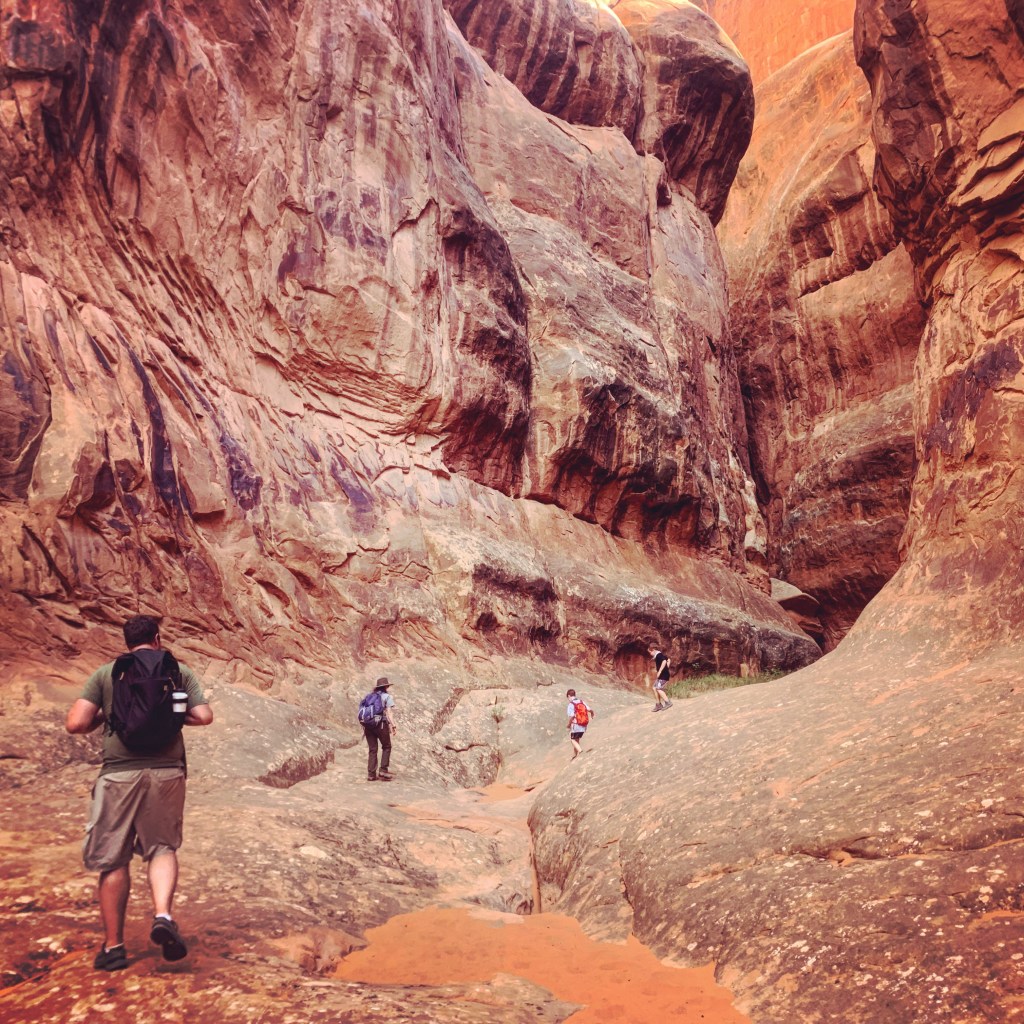
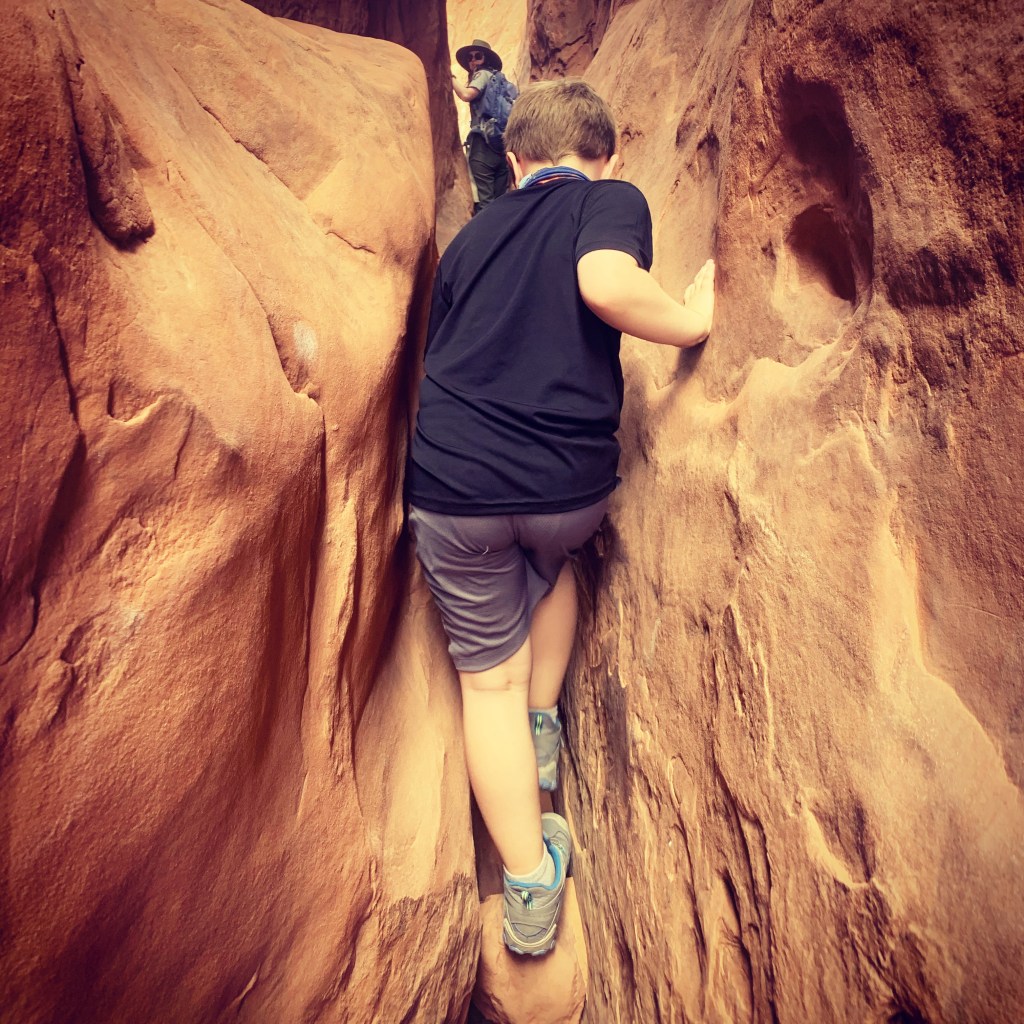
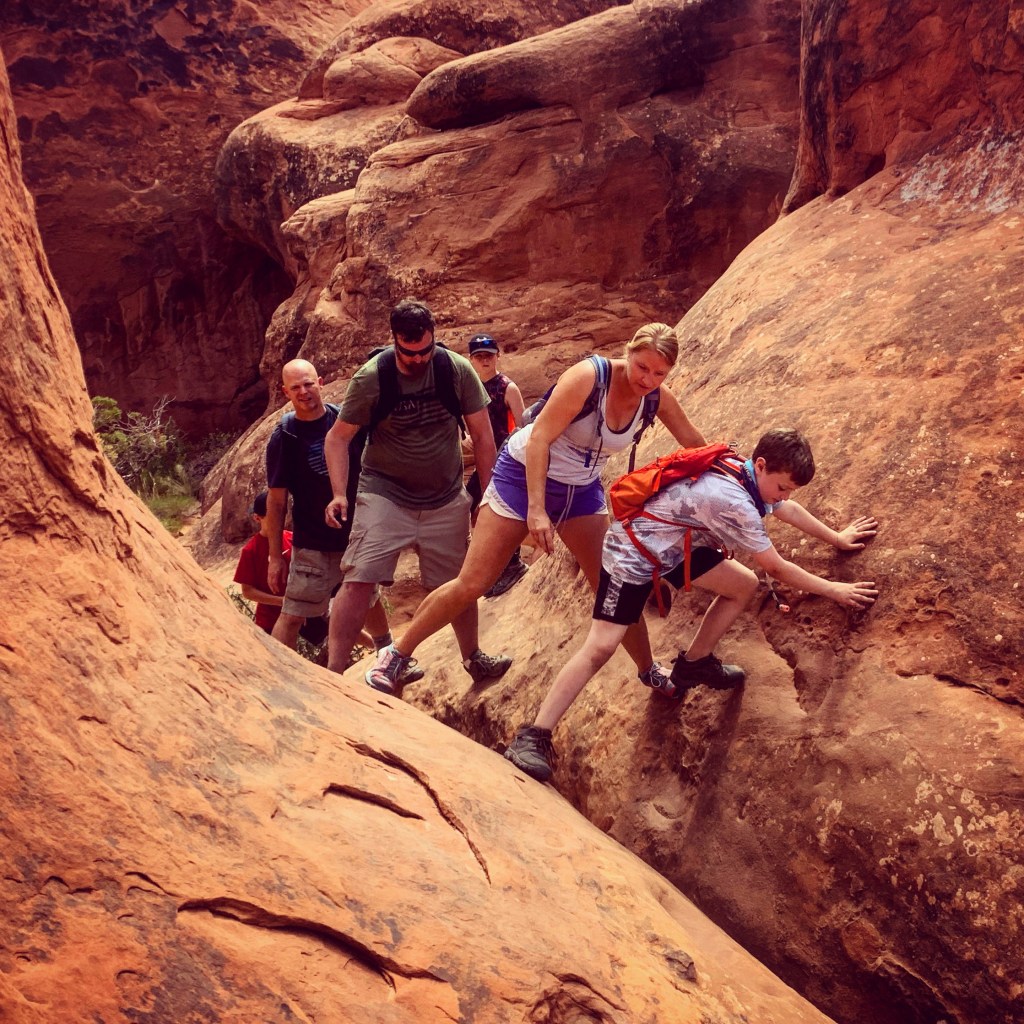
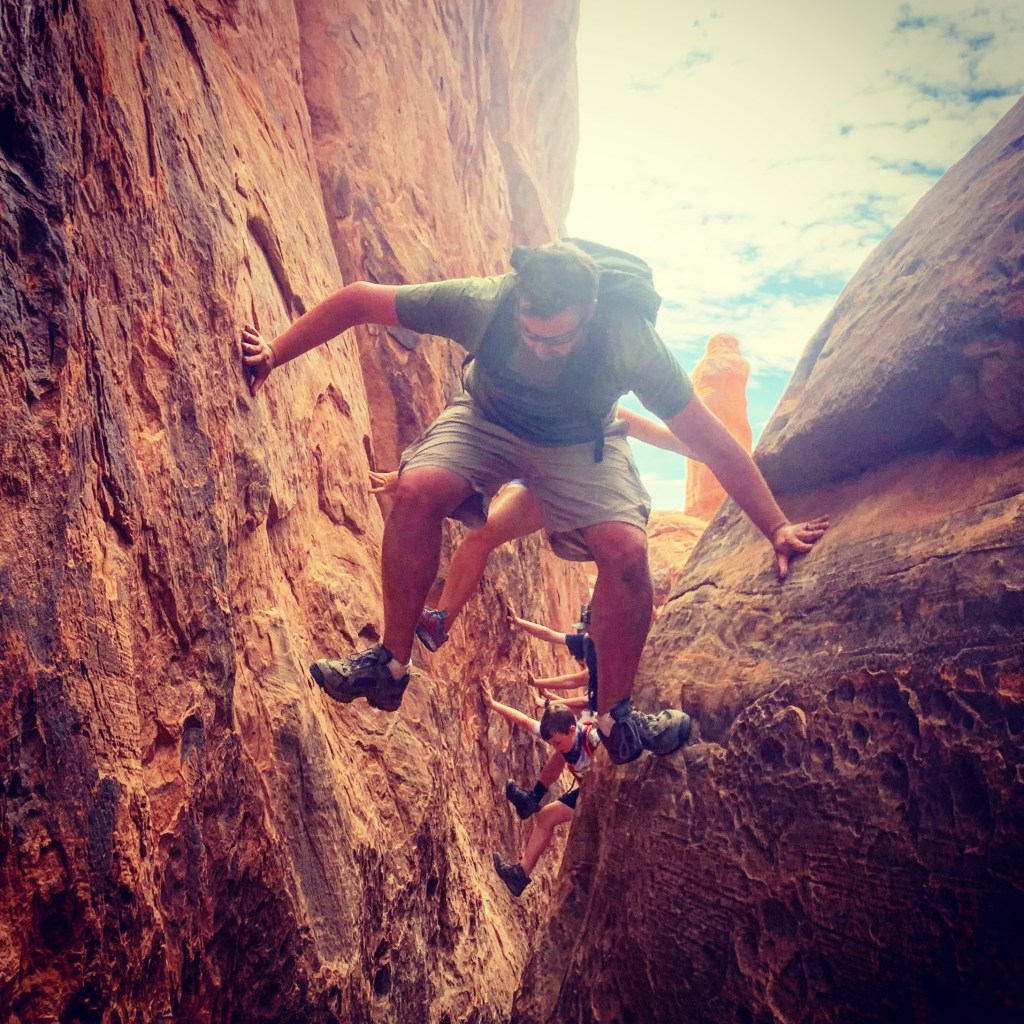
The Fiery Furnace is an area of the park with a maze of tall, sandstone fins. In order to enter this section of the park, you must either be guided by a ranger or obtain a permit from the Visitor Center. This is because there are no marked trails in the Fiery Furnace, and the ecosystem is extremely fragile. We purchased tickets ($8 per person) for the ranger-led tour, and it turned out to be one of the most memorable hikes of the summer. Because of the nature of the terrain, there were times that we had to squeeze through small openings, jump across gaps in the rocks, and spider climb to make our way through.

Ranger Kat led our tour, and she was fantastic! She focused on creating an experience that used all of the senses. We had the opportunity to smell naturally growing sage and taste lemonberries (they taste like warheads!). A portion of the hike was done in silence so that we could appreciate the sounds of the area. There were several “dead ends” that we ventured down, each with something interesting. One stop had a small hole with a black widow spider inside. Another had a small cave for us to crawl through. At the very end we were shocked to look up and see that we were directly under an arch, aptly named Surprise Arch. There were some sections of the hike that were a little challenging for Liam, especially since he’s so cautious, but most people in reasonably good shape could navigate this course. This was different from any of the other hikes in the park because we were walking among these awesomely big and beautiful geologic features, rather than admiring them from a distance. Definitely worth the time and money!

Sunrise Hike to Delicate Arch

Delicate Arch at dawn

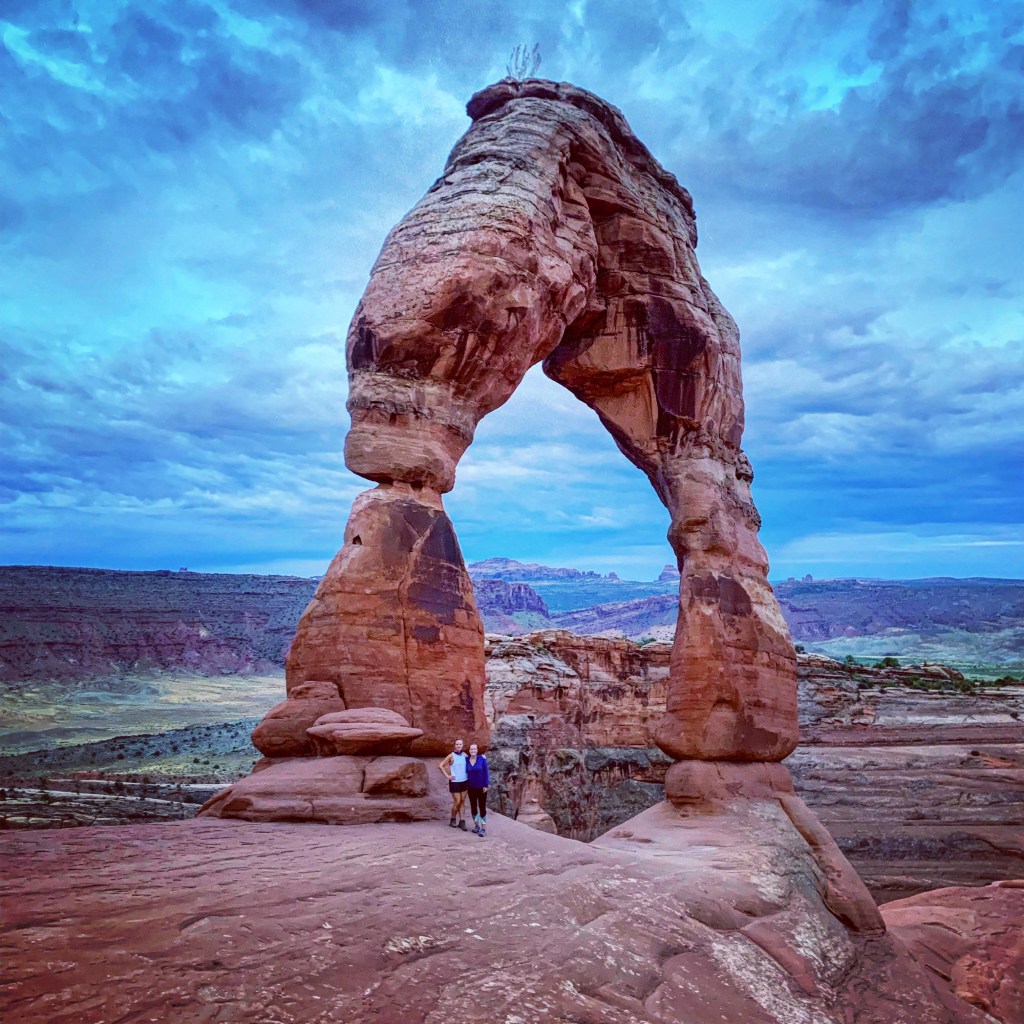
I like to focus on the things I love about each of the locations we visit, but if I had one complaint about Utah in July is that it is HOT. Really, really hot. It was well over 100 degrees each day that we spent in Arches, and there is very little shade. Although its dry heat, unlike what we’re used to in the northeast, the heat can still be extremely dangerous. The whole family would have like to hike up to see the iconic Delicate Arch, but it was just too hot during the day for the family to make the 3.2 mile strenuous hike. We stopped at the lookout, but the arch was so far away that Ashley and I agreed we couldn’t leave Arches without an up-close encounter with Delicate Arch.

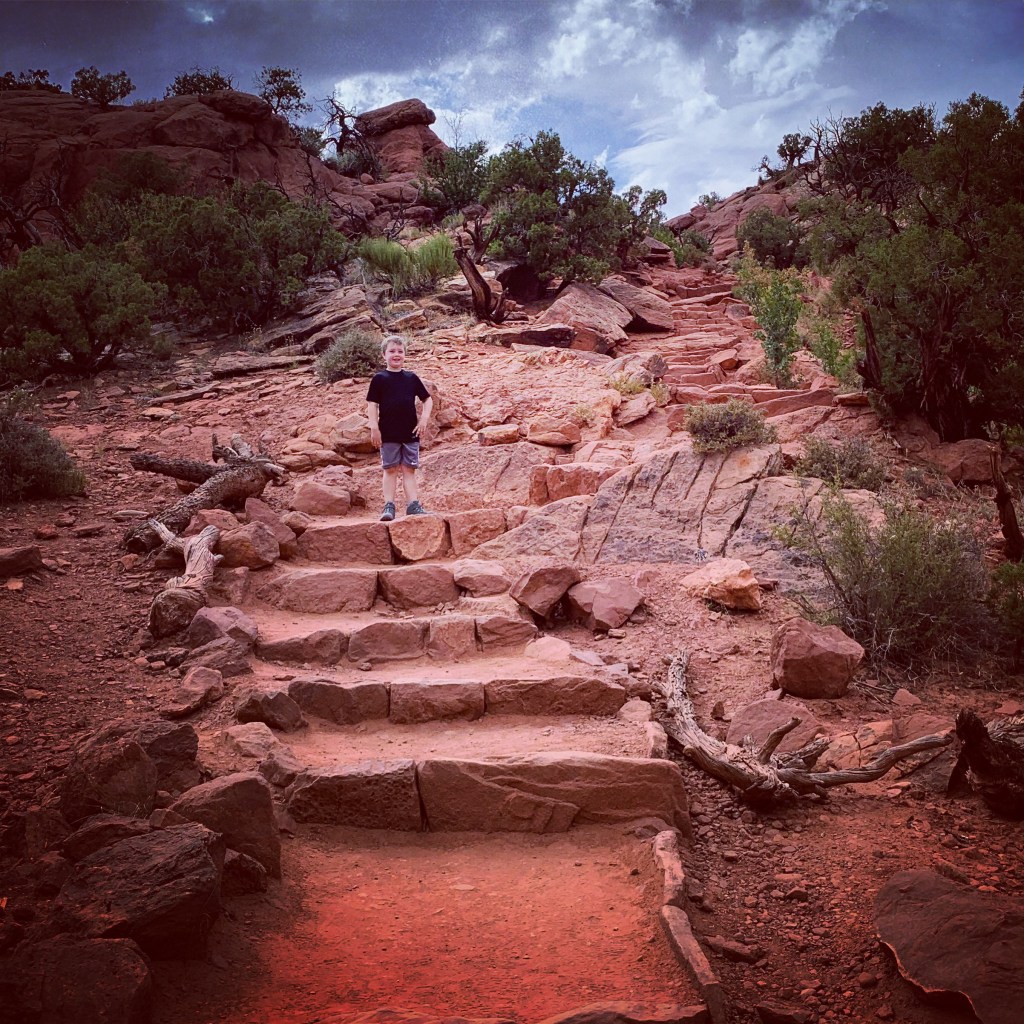
On our final morning, we woke up before the sun, and made the short drive to the trailhead. There were already quite a few cars in the parking lot when we arrived just after 5am. We hit the trail with our flashlights guiding the path. It was pretty much straight up a steep section of exposed rock. There was some signage, but it was easy to lose the trail in some locations. Just as we got to the top, the sun was coming up. Because it was a cloudy morning, we didn’t get a colorful sunrise, but it was still magical in its own way, with the sky taking on some beautiful shades of blue. We stayed for a bit to enjoy the moment, then booked it back down the hill, stopping only to check out a scorpion (so cool!) and the petroglyphs near the start of the trail. We made it back before the boys even woke up. This predawn hike was a special experience to share with my sister!

Devil’s Garden Trail

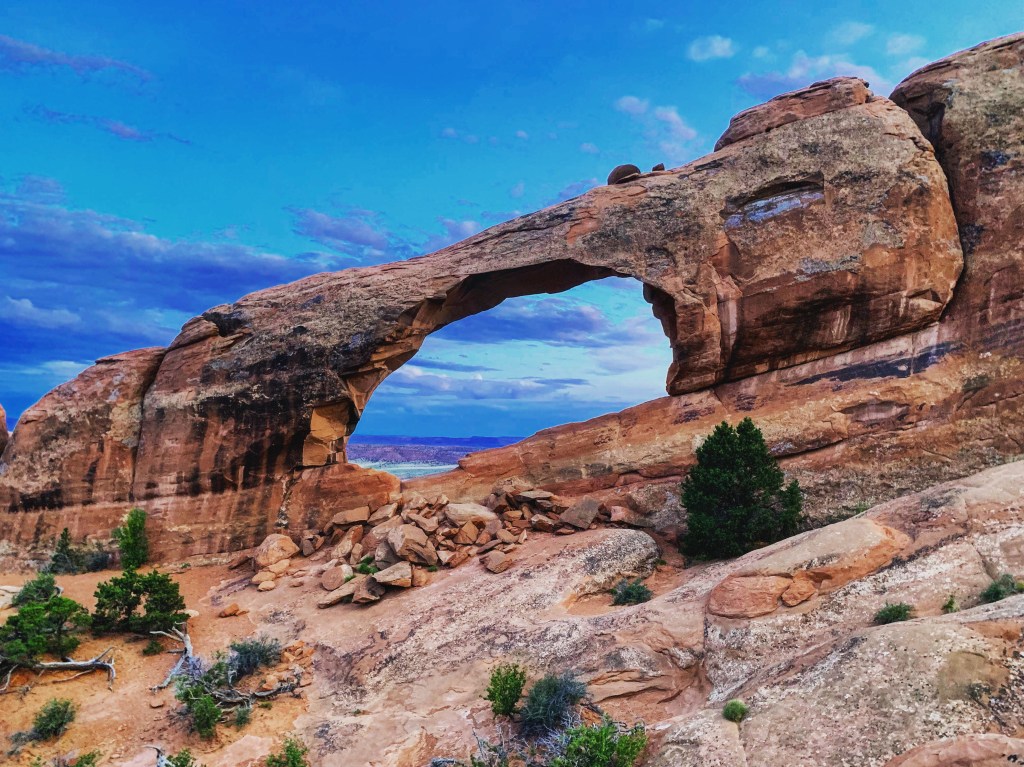
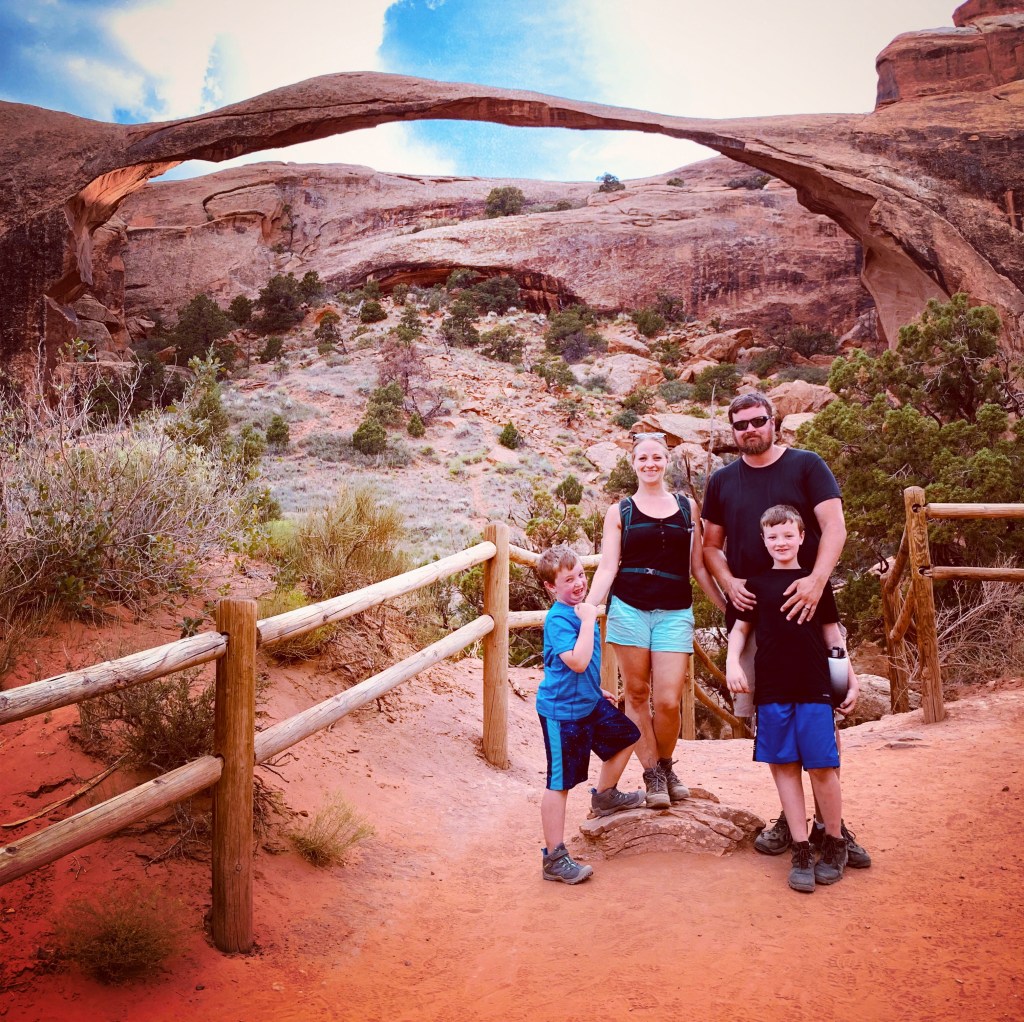
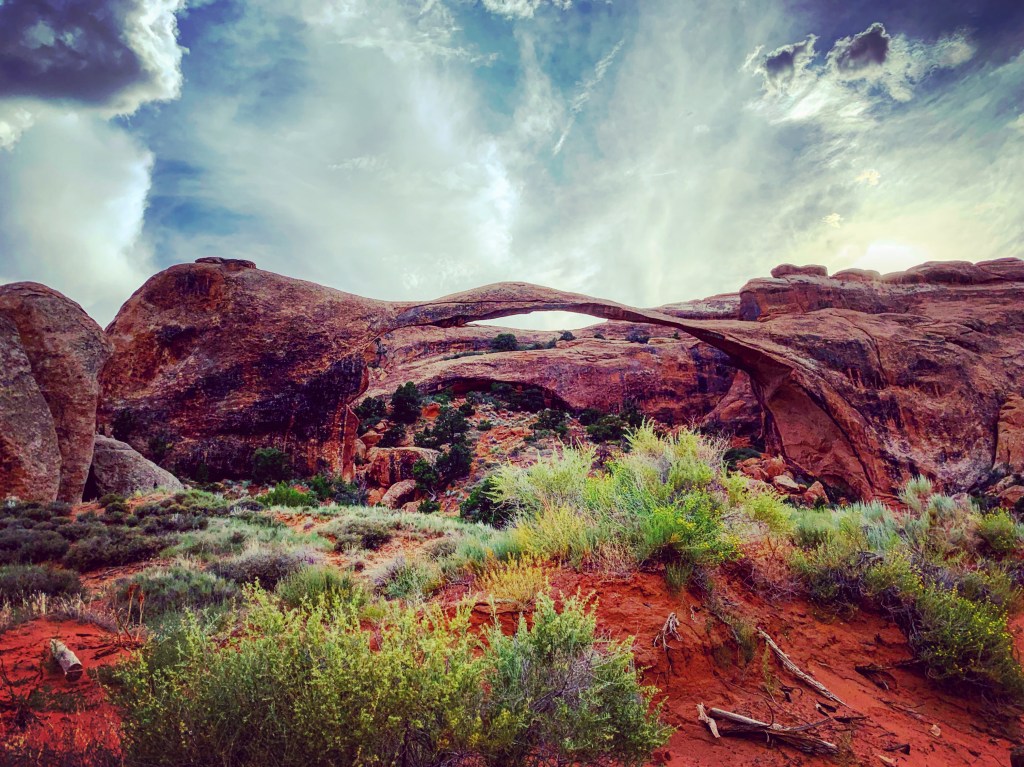
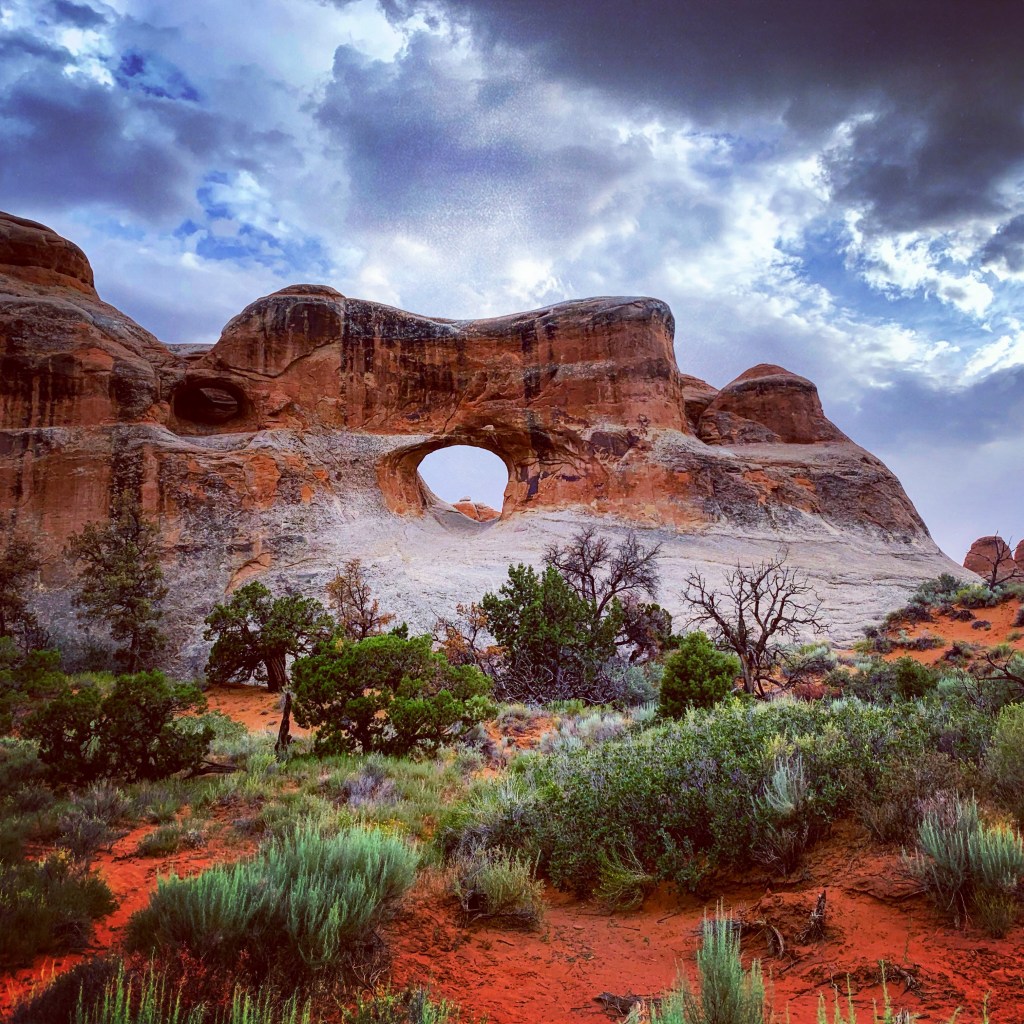
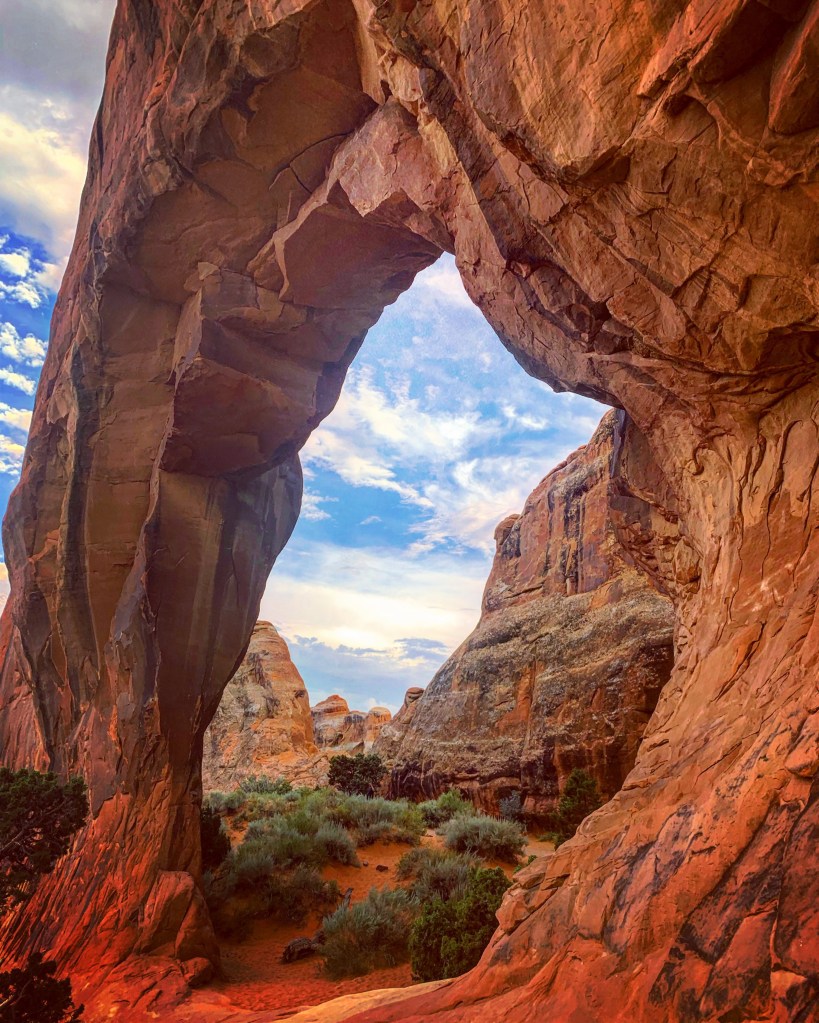
On our first evening in the park, we wanted to get out and see some arches, and Devil’s Garden Trail was the perfect after-dinner hike. At just under two miles round trip, this hike took us to three very different arches. This highlight of the trail is Landscape Arch, the longest arch in the park at 306 feet. The trail was nice and easy, perfect for families with small children or people who just want a leisurely walk. Along the way, there is a short turn off for Tunnel Arch and Pine Tree Arch. Tunnel Arch is exactly what it sounds like – a tunnel through the rocks. Pine Tree Arch took us right up close to a big arch (with some pine trees nearby, hence the name). We were actually able to walk along the rocks that made up the bottom of this arch. What I really liked about this walk was that we got to see three very different arches without expending too much energy (and in this weather, sweat!).

Side Trip to Canyonlands

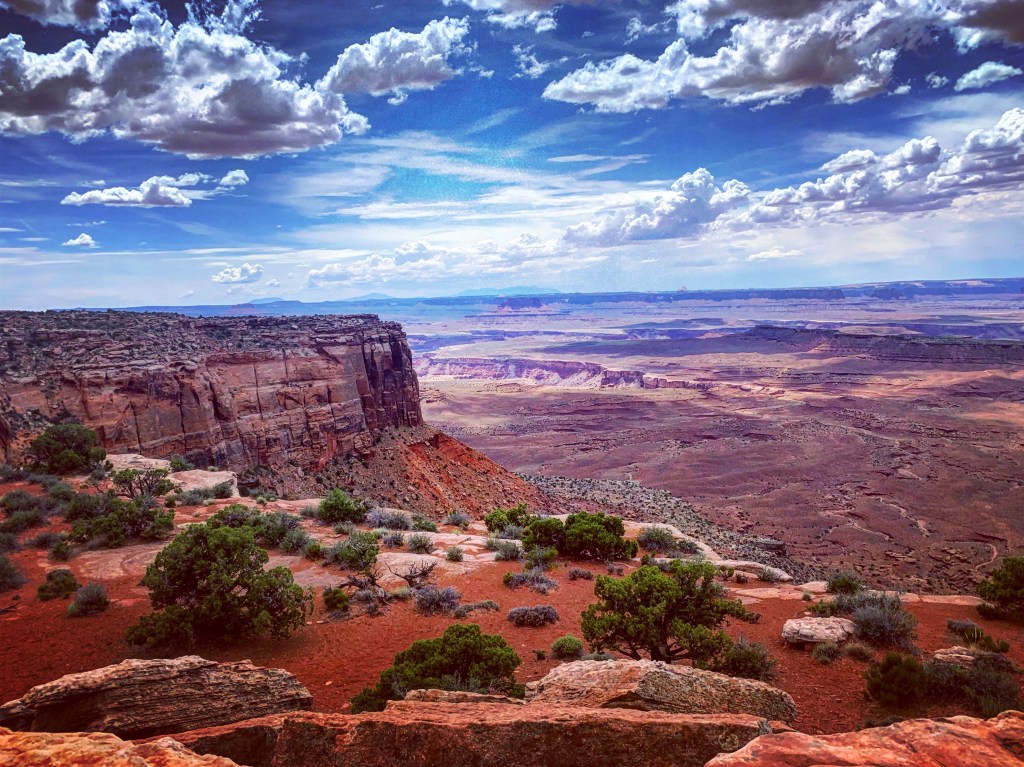
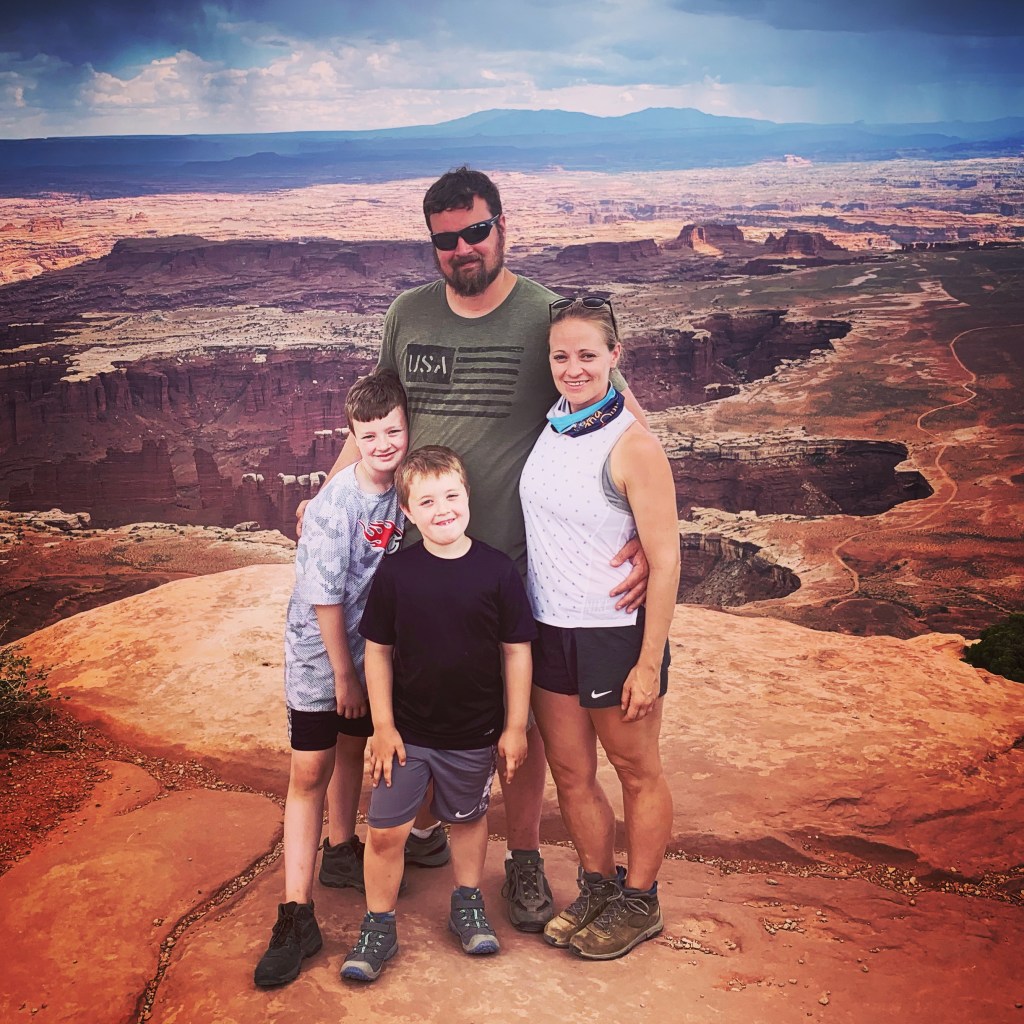
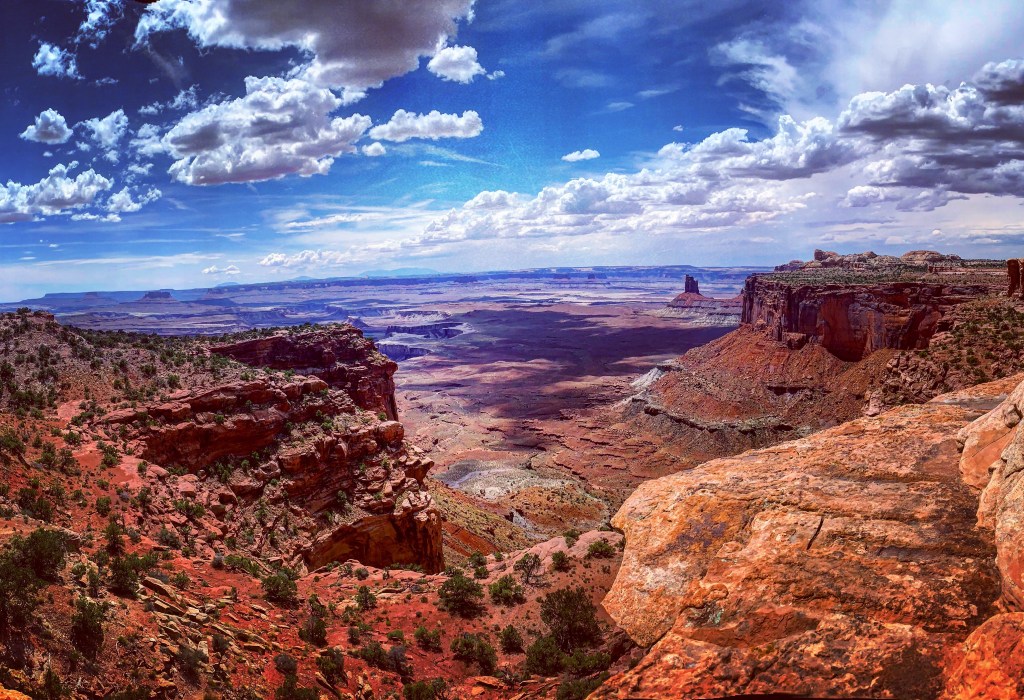
Okay, I mentioned the heat. It was so hot that after finishing our Fiery Furnace hike, a nice drive with air conditioning sounded amazing. We decided to drive the hour to Canyonlands National Park, and it made for a great afternoon. We made a quick stop at the visitor center so the boys could pick up Junior Ranger books, and we watched the park film. We enjoyed some of the beautiful views of the canyon right outside and then headed out on the scenic drive. We made several stops at various lookouts along the way, but the highlight was the Grand Viewpoint. We could see storms in the distance while looking out at the canyon, but it was sunny where we were. We drove to Upheaval Dome, a giant crater in the earth, and hiked up to the first viewpoint. Although it wasn’t far from Arches, the landscape was very different and well worth the drive.

We had a wonderful stay in Arches National Park. The formations and natural beauty left a lasting impression. The ability to get up close to these iconic arches and appreciate the unique characteristics of each one made the experience even more special. It’s hard to talk favorites because each national park is protected for a reason, but if I had to choose just one Utah park to visit, Arches would be the winner!

Mesa Verde National Park

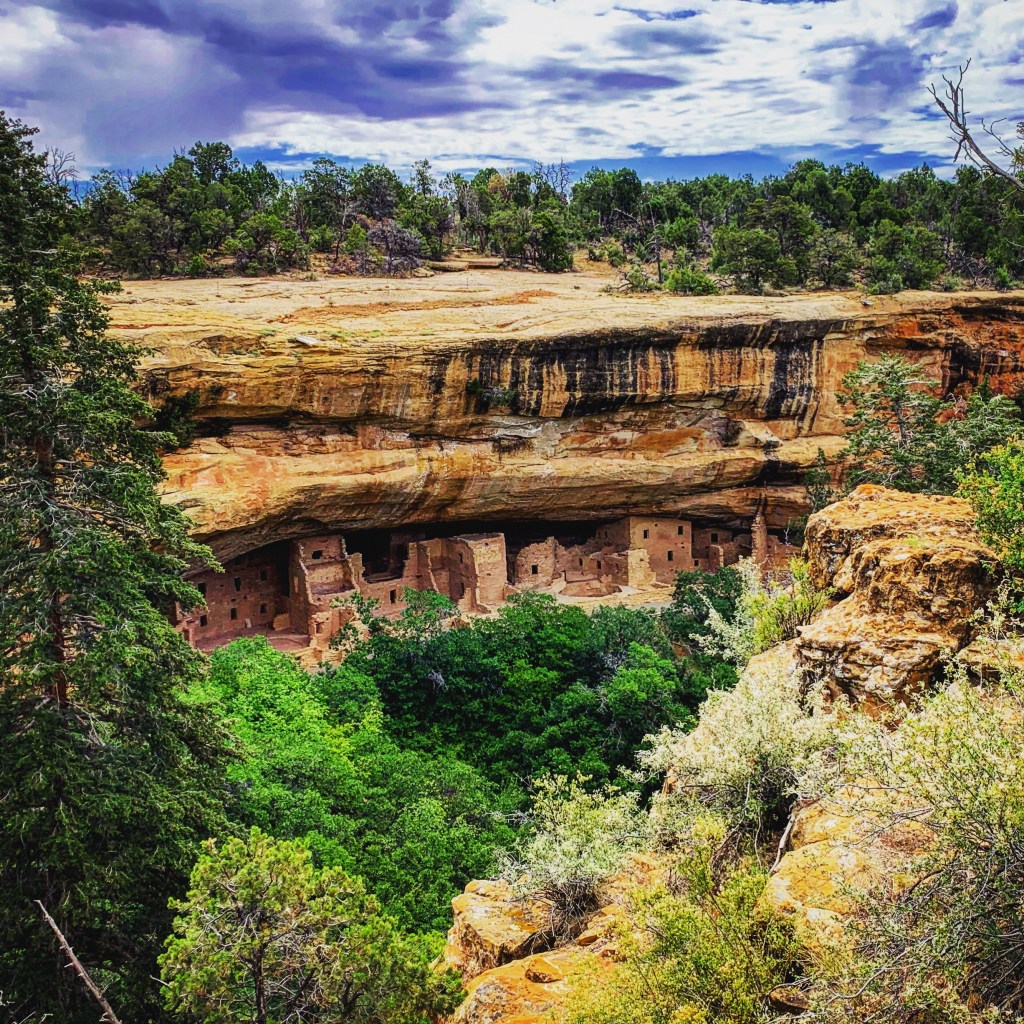
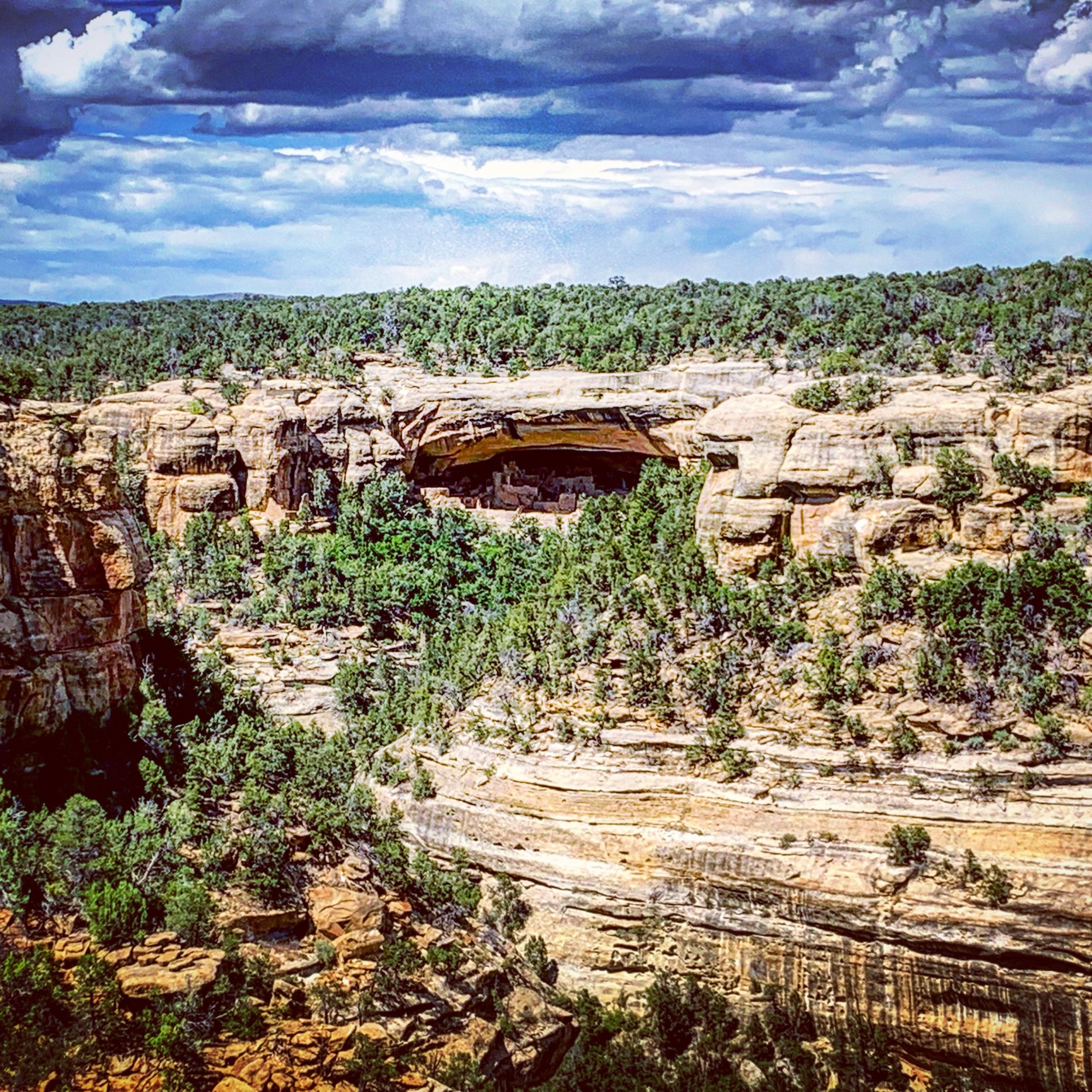
View of Spruce Tree House

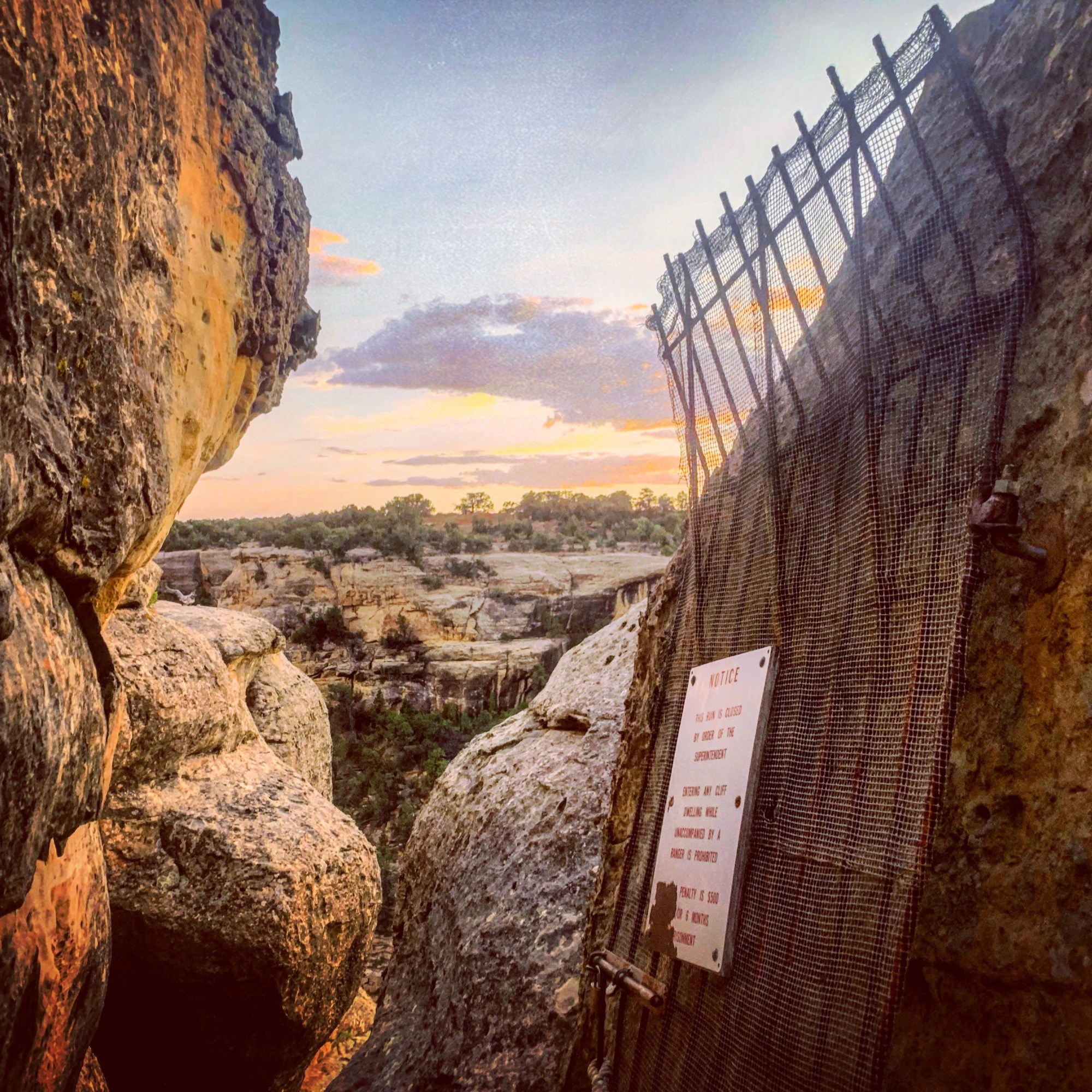
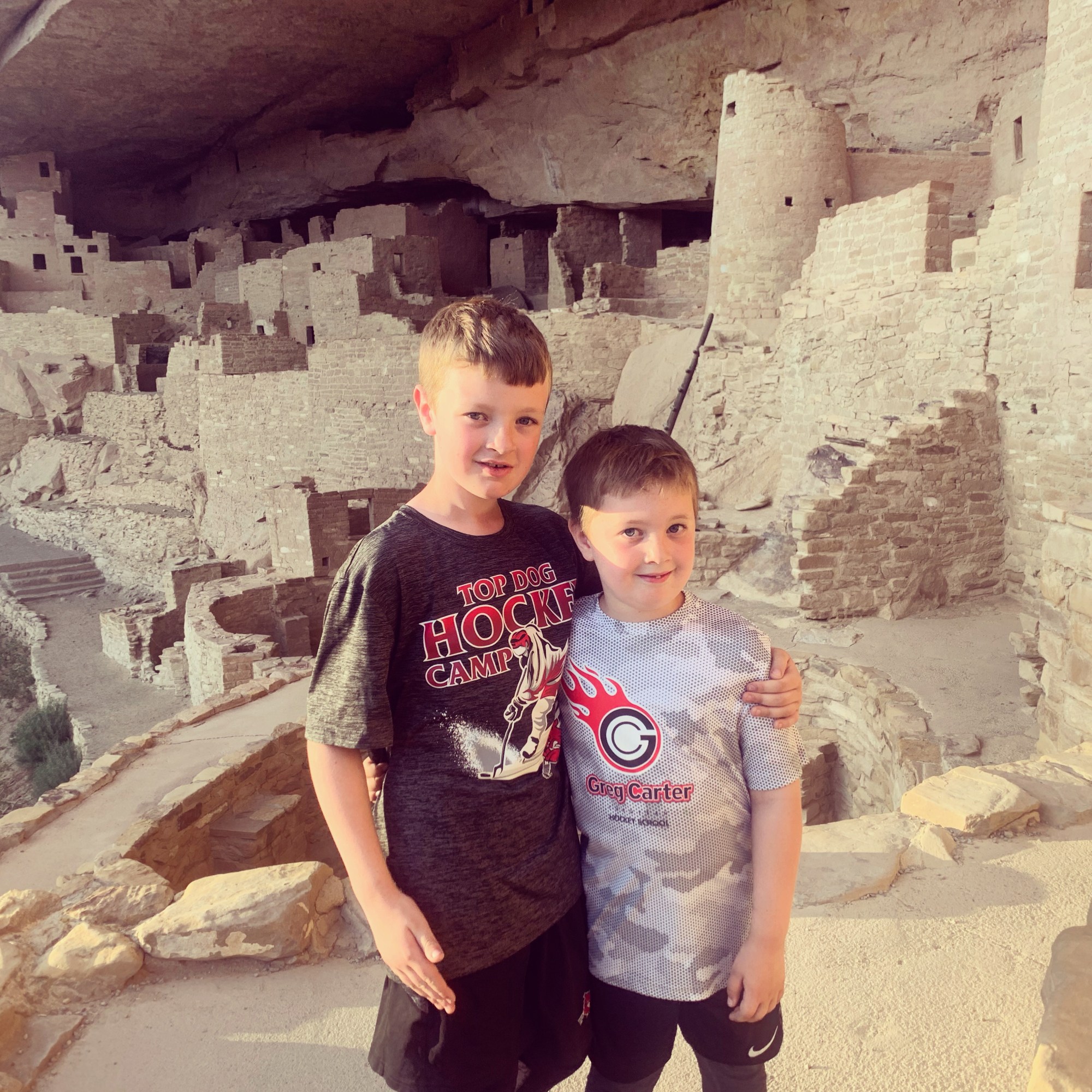
Most of the national parks that we visit have a focus on preserving the natural beauty of the area – mountains, lakes, rock formations. Mesa Verde National Park is different. Located in the southwestern corner of Colorado, it was a created to protect and preserve the archeological remains of the Ancestral Puebloans who built their homes and villages in the cliffs of the mesa from 600 to 1300 CE. There are over 5,000 archeological sites within the park, including more than 600 cliff dwellings. Many are remarkable well preserved considering that they are between 700 and 1400 years old! The history buffs in our family were eager to get out and explore all that this park had to offer. We spent an entire day, from early morning until after sundown, out on the mesa visiting the sites. These are our favorites!

Scenic Drive through History

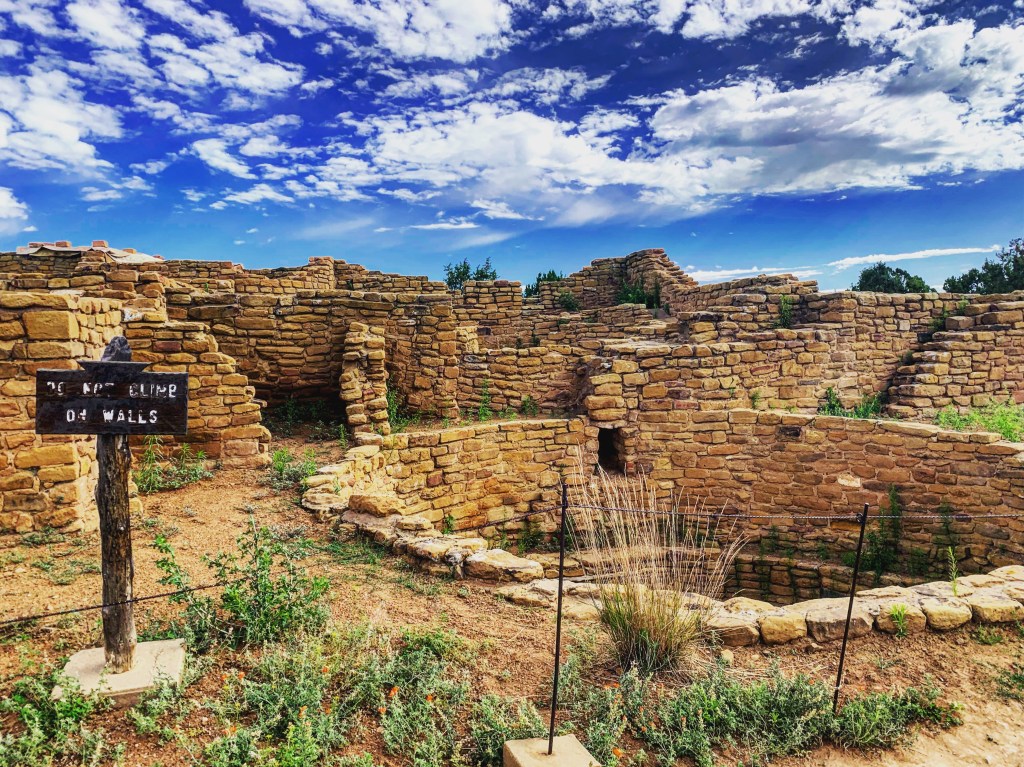
There are several areas of the park that can be accessed without a guided tour, and most are just a short walk from the paved roads of the park. We started our day by driving from Morefield Campground, stopping at the Montezuma Valley overlook and the Park Point overlook for sweeping viewing of the surrounding area. From there we headed to the Far View Sites, where the remains of 50 villages can be found within a half mile of each other. There is a trail system that connects the sites, and a guidebook is available that describes exactly what you’re looking at. Some of the remains are well preserved, while others are just the remnants of a foundation in the ground. It’s best to explore this site first because it would have been far less impressive after viewing the expansive and well-preserved cliff dwellings.

Our next stop was the Chapin Mesa Archeological Museum. This doubles as a visitor center, with park rangers on hand to answer questions. There is a 20 minute film about the history of the area and the people who called it home. This provided a lot of necessary context, especially for the boys, so I would strongly recommend it. The museum has dioramas and exhibits of artifacts that had been recovered during the excavation of the sites. It was interesting to see the pottery, footwear, utensils, and art from that time period. Out the back of the museum is a trail to Spruce Tree House, a large and well-preserved cliff dwelling. While we were there the trail was closed due to recent rock falls, but there are nice views of it from the area outside the museum. This area also has a cafe, gift shop, picnic area, and restrooms. We had lunch in the picnic area before continuing our drive onto the Mesa Top Loop. This is a 6 mile loop, with 12 stops. Each has a short, paved walking path to the site. There is a guide brochure that describes the history and archeology of each of the stops. Some were more interesting than others. Highlights from the Mesa Top loop include views of Cliff Palace from above, the grand Sun Temple, and Square House. It took us about 90 minutes to complete the loop, stopping at all 12 sites along the way. There is a lot of history to experience on the drive, so it’s a great option for those who are unable to do the more physical cave dwelling tours.

Balcony House Tour

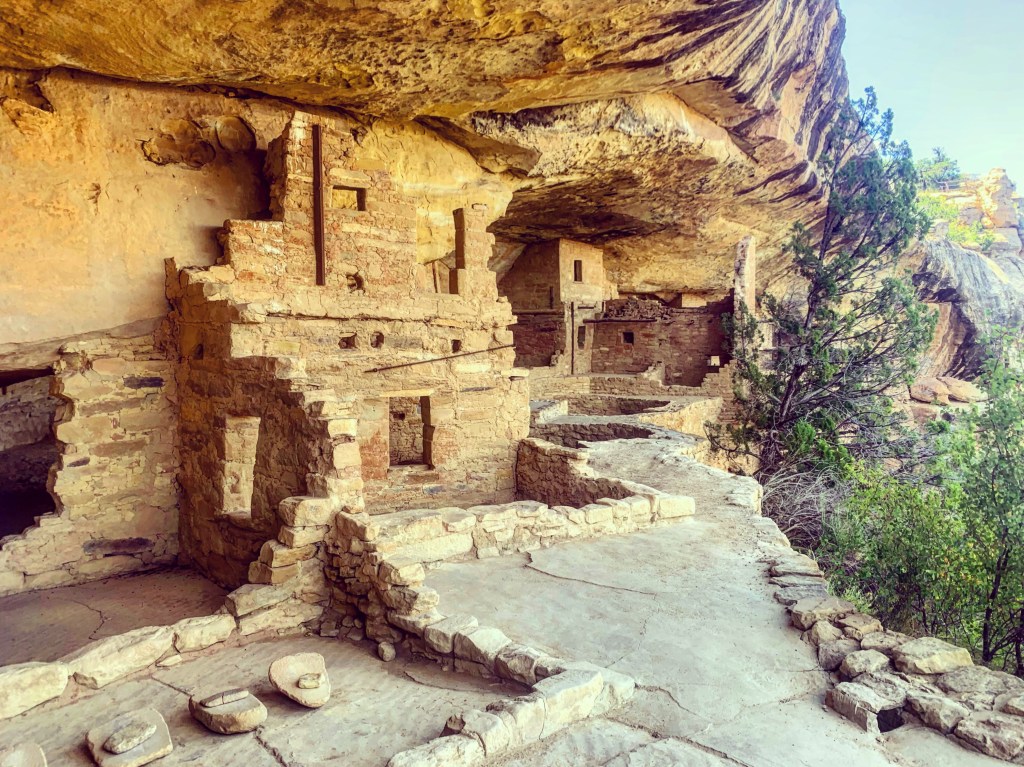
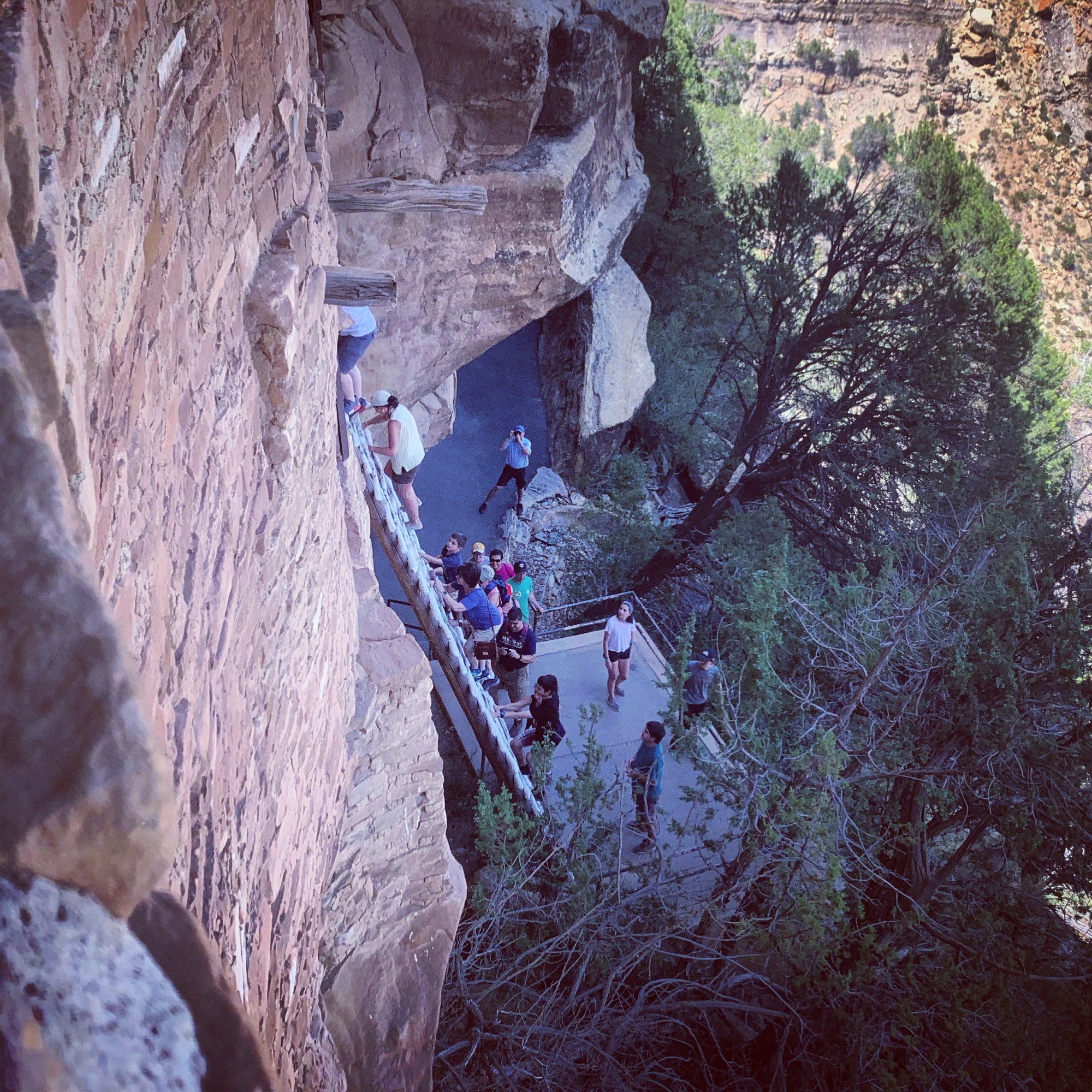
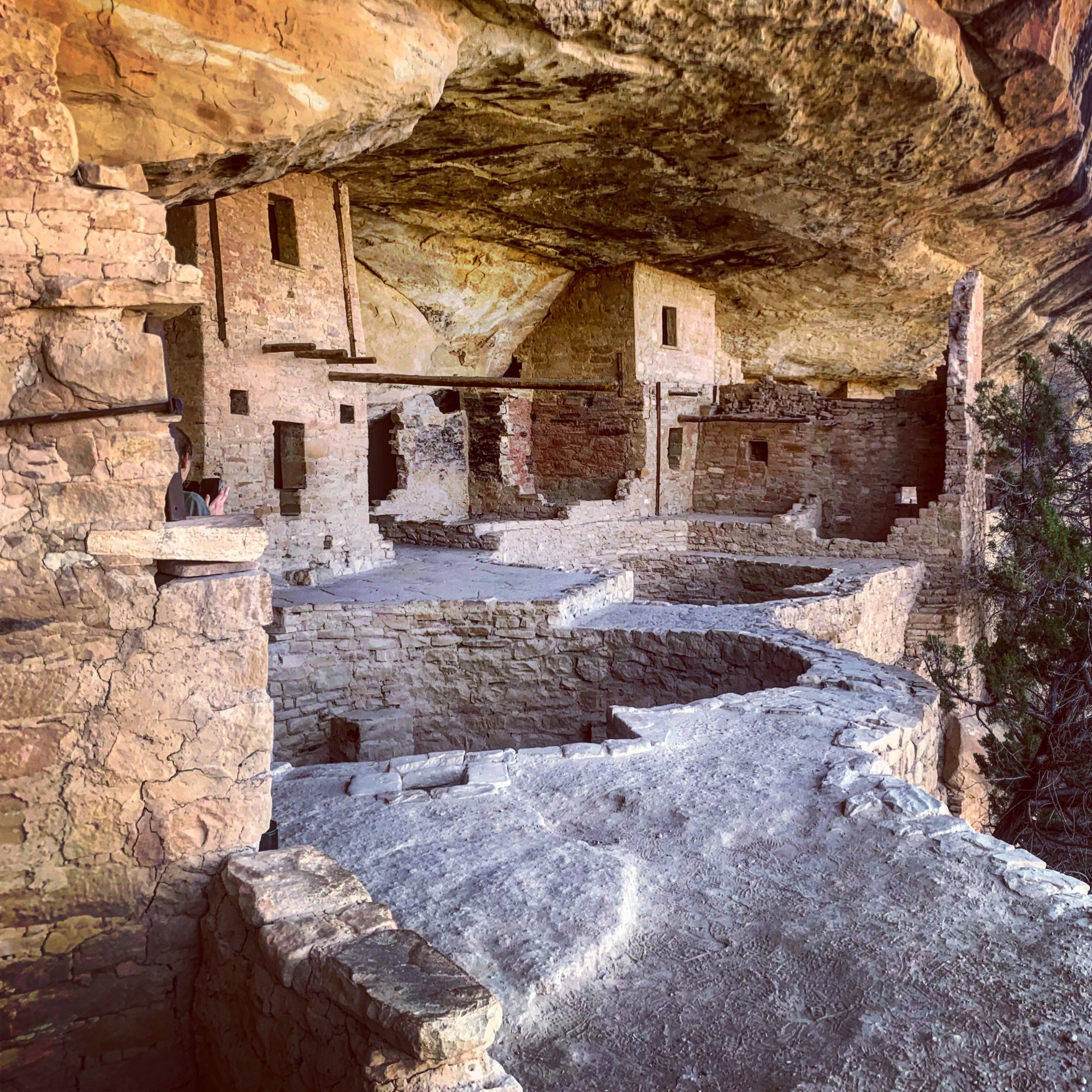
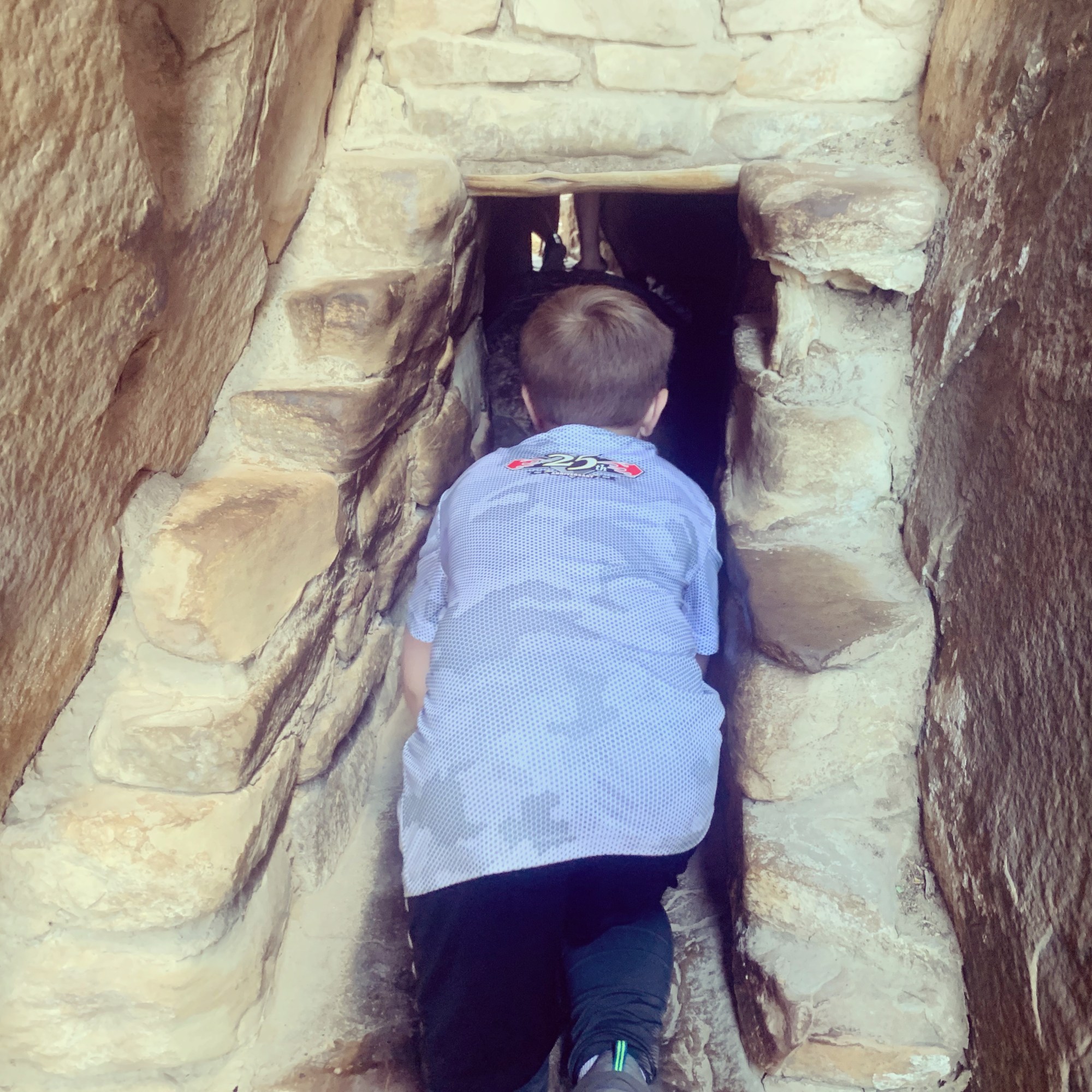
This cave dwelling tour allows you to enter into Balcony House, a thirteenth century structure with over 40 rooms. It’s considered to be an adventure tour because it requires participants to climb a 32 foot ladder, scramble through an 10 foot long, 18 inch wide tunnel, and walk along the edge of a cliff. There is a replica of the tunnel in the visitor center for people who want to try it out before booking the tour. Ryan is a big guy and had to go through sideways, but he fit without any issues. The tour starts on a path that descends 100 feet along the cliff edge. This leads to the big ladder. It was nerve wracking to climb, but I was more focused on Liam than myself. Not looking down helps a lot. Once everyone in the group was up the ladder, the tour guide provided information about the rooms and structures we could see. The wooden pegs for the balcony were still standing over 800 years after being placed! The views of the surrounding area were beautiful from the dwelling. Once the ranger had answered everyone’s questions, we squeezed through the tunnel which was the only entrance to the dwelling when the Ancestral Puebloans lived there. Then it was up several more ladders and stone steps to get back to the top. This was a great tour to get the adrenaline flowing while also experiencing history!

Cliff Palace Sunset Tour

The National Park Service offers guided tours of three cliff dwellings: Balcony House, Cliff Palace, and Long House. In order to attend a guided tour, tickets need to be purchased in person at the Visitor Center (or a few other locations in and around the park). For people passing through the area, especially during the busy summer season, it can be difficult to get same-day tickets. One of the only tours that can be reserved in advance is the Cliff Palace Sunset Tour. The tour is more expensive than the standard one, but its longer and the group is smaller. And we hit the ranger lottery when David Nighteagle, a Native American from the Lakota tribe and a long time national park ranger, was assigned to guide our tour.

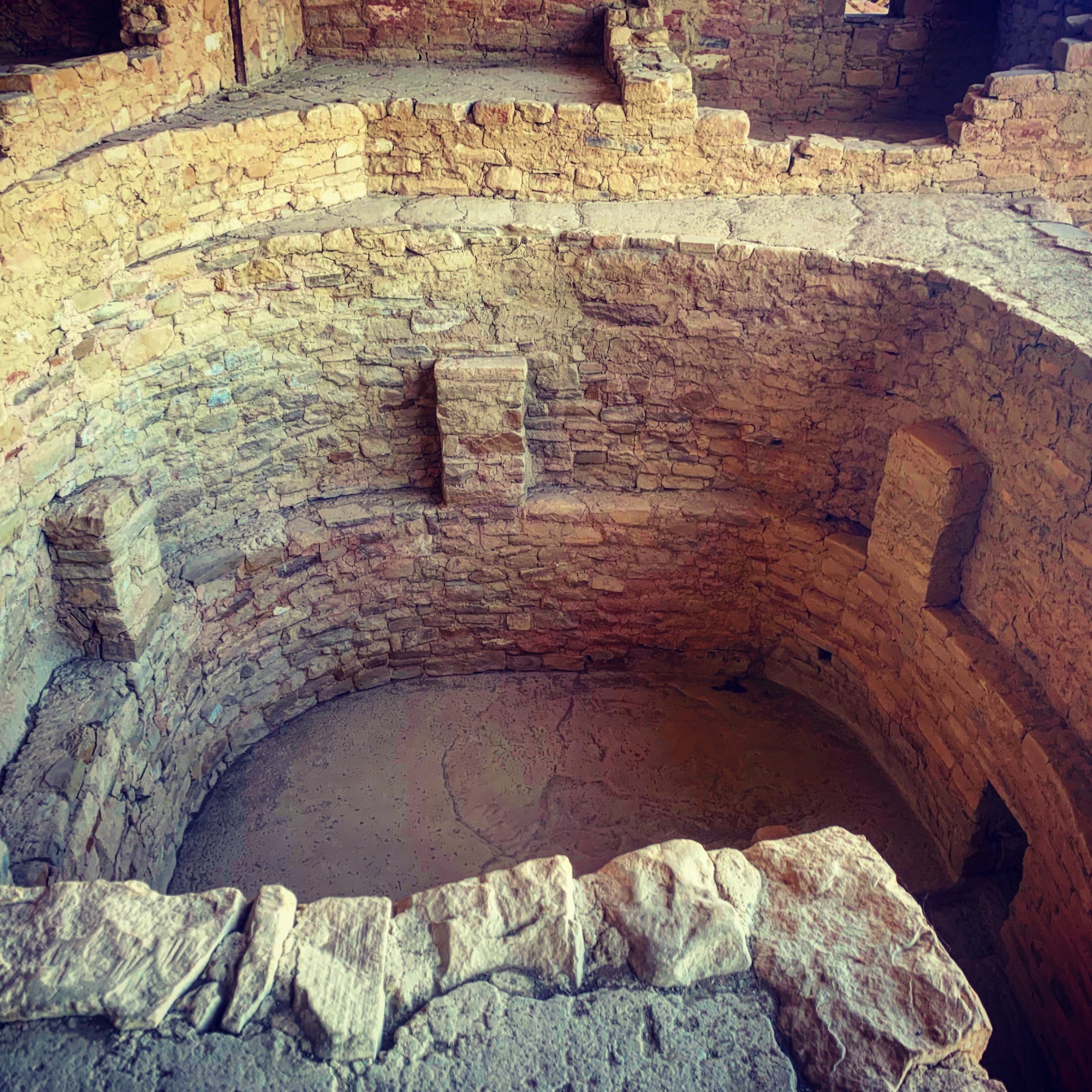
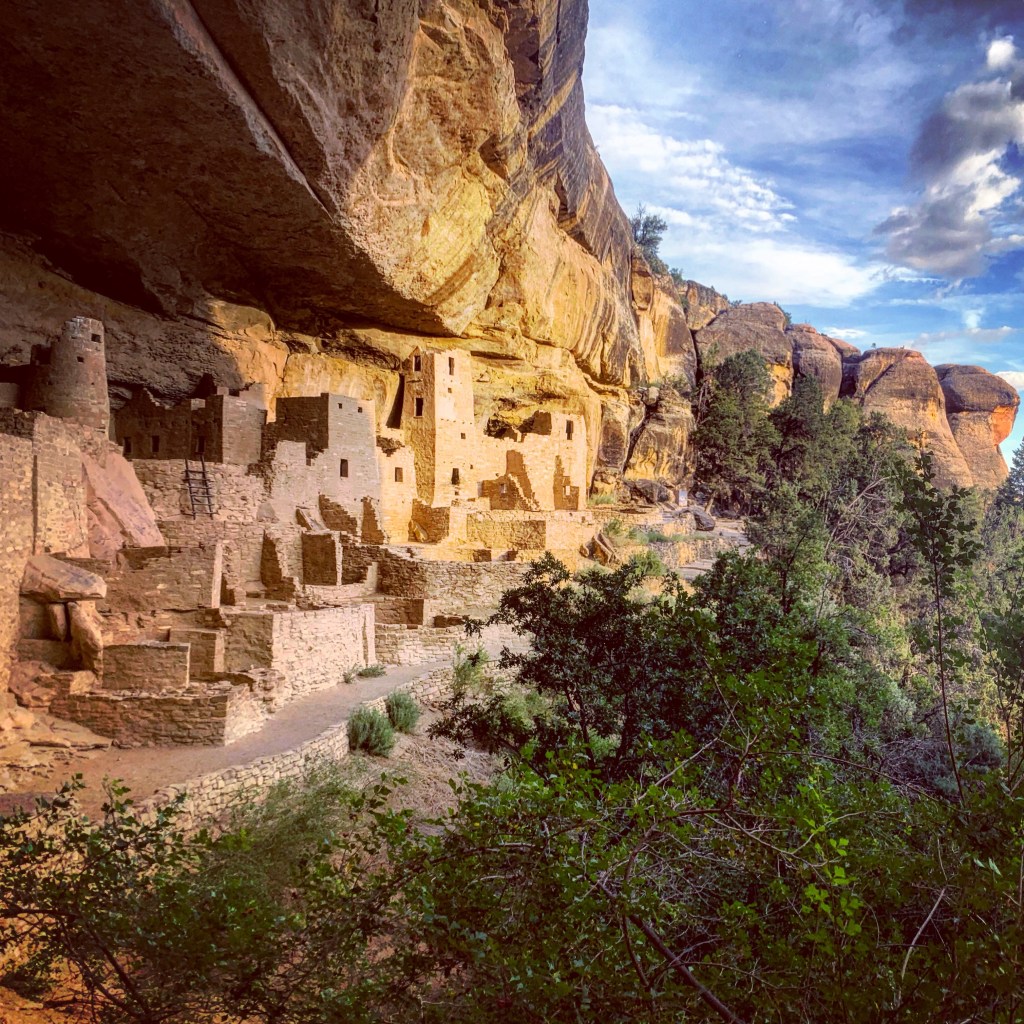
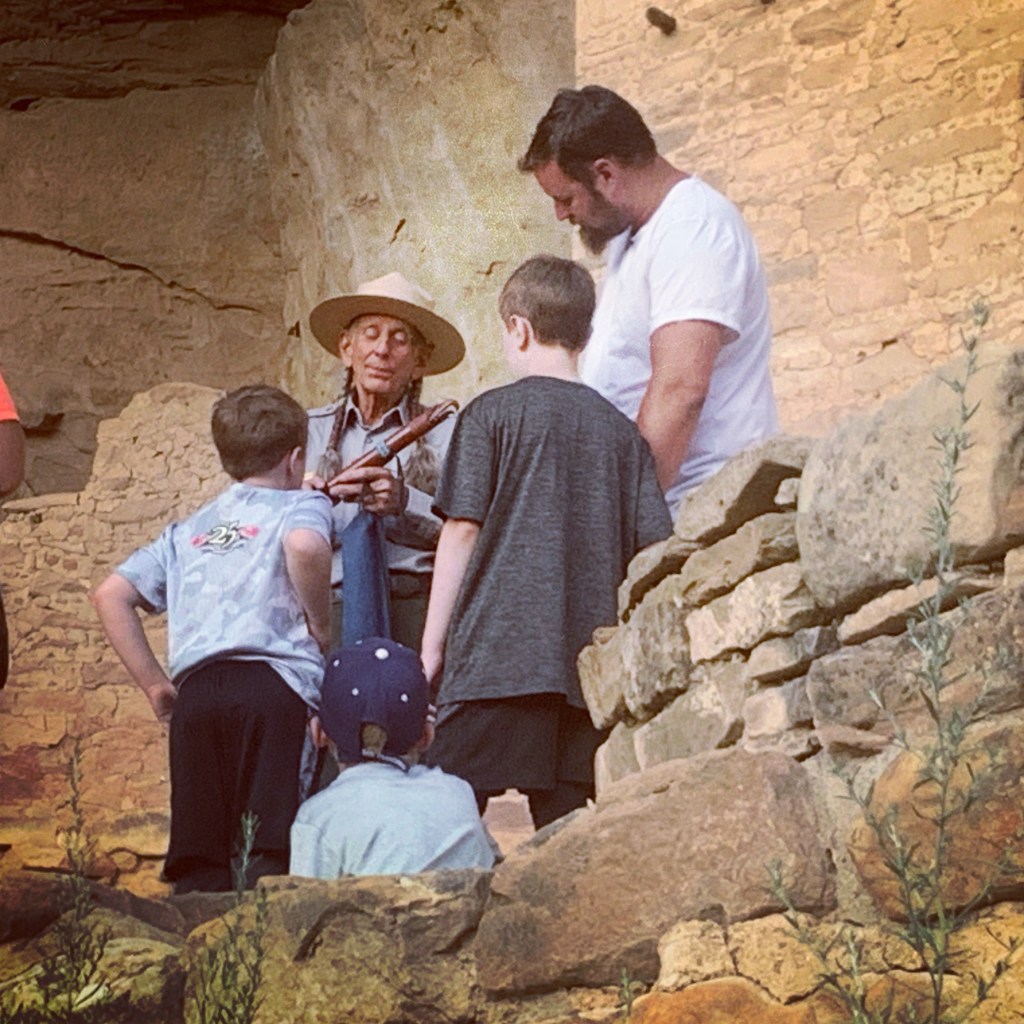
The tour began with a short walk down from the top of the mesa along a path. We sat along the rocks and heard about some of the history of the area. Ranger Nighteagle focuses on having people on his tours connect to the location on an emotional level, so we spent some quiet time enjoying the sunset and views of Cliff Palace before making our way to the cliff dwelling. Cliff Palace contains over 150 rooms and is thought to have been a place of significance to the Native Americans who lived here. Because of the number of rooms and kivas, it may have had administrative or ceremonial purposes. We were able to walk through the site, as the ranger shared information about the people who lived here and answered questions. We sat on a windowsill to view original artwork on the ceiling of one of the rooms, and as the sun began to set, Ranger Nighteagle took out a handmade flute and played a song of thanks to the spirits. It was both eerie and beautiful. Leaving the site required climbing up several ladders and stone steps. We came out just as the sun was dropping below the horizon.

This is truly a special site, containing archeological evidence to a past that we know little about. Seeing the sites on these cliff ledges where thousands of Native Americans made their homes gave us a tiny glimpse into what life may have been like for them – their priorities, struggles, and fears. We learned a lot, but also saw how many questions are left unanswered. Why did they suddenly leave these cliff dwellings that took years of hard work to create? What threatened their safety? The mysteries are as intriguing as the facts. And that is what makes this Jack’s new favorite national park!

Great Sand Dunes National Park

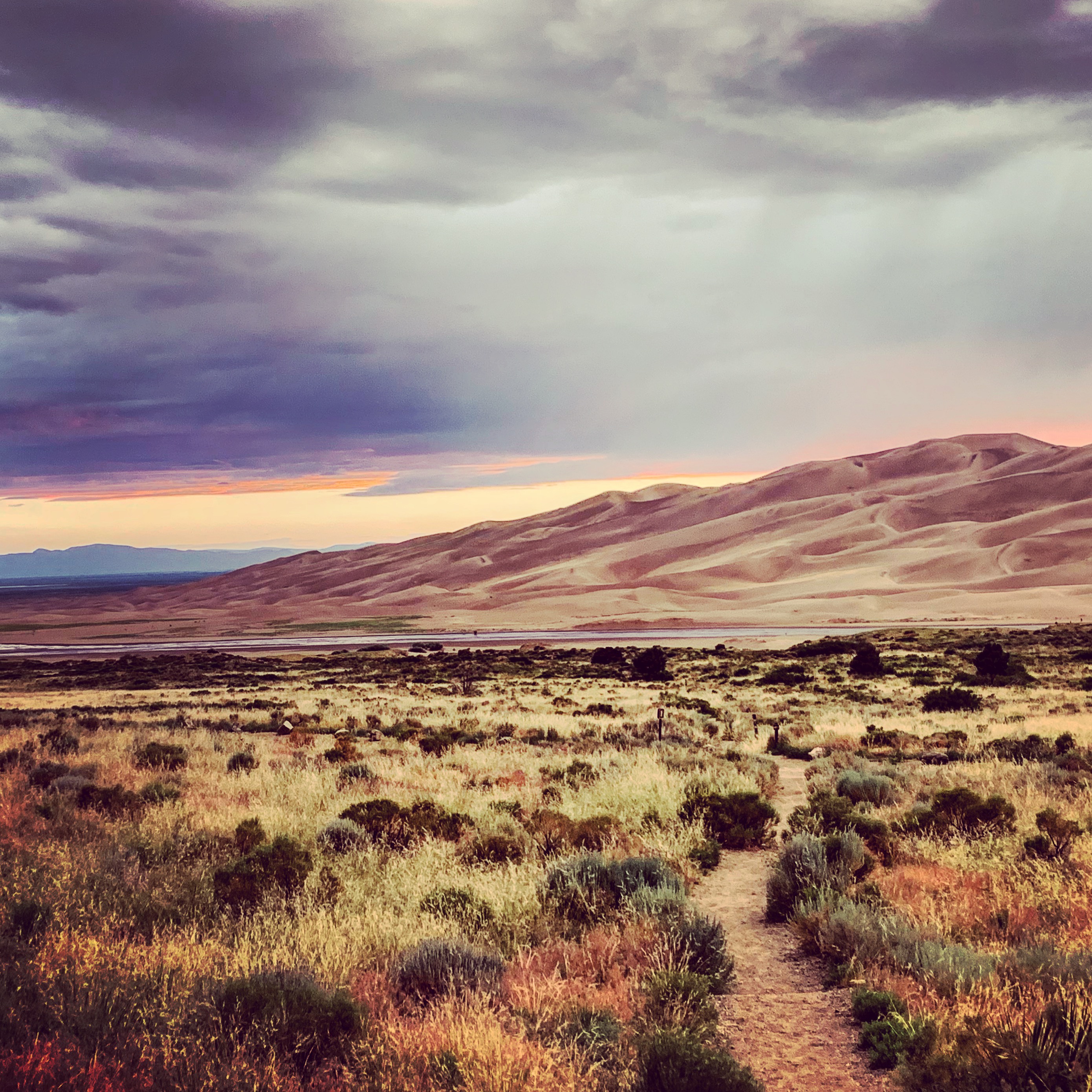
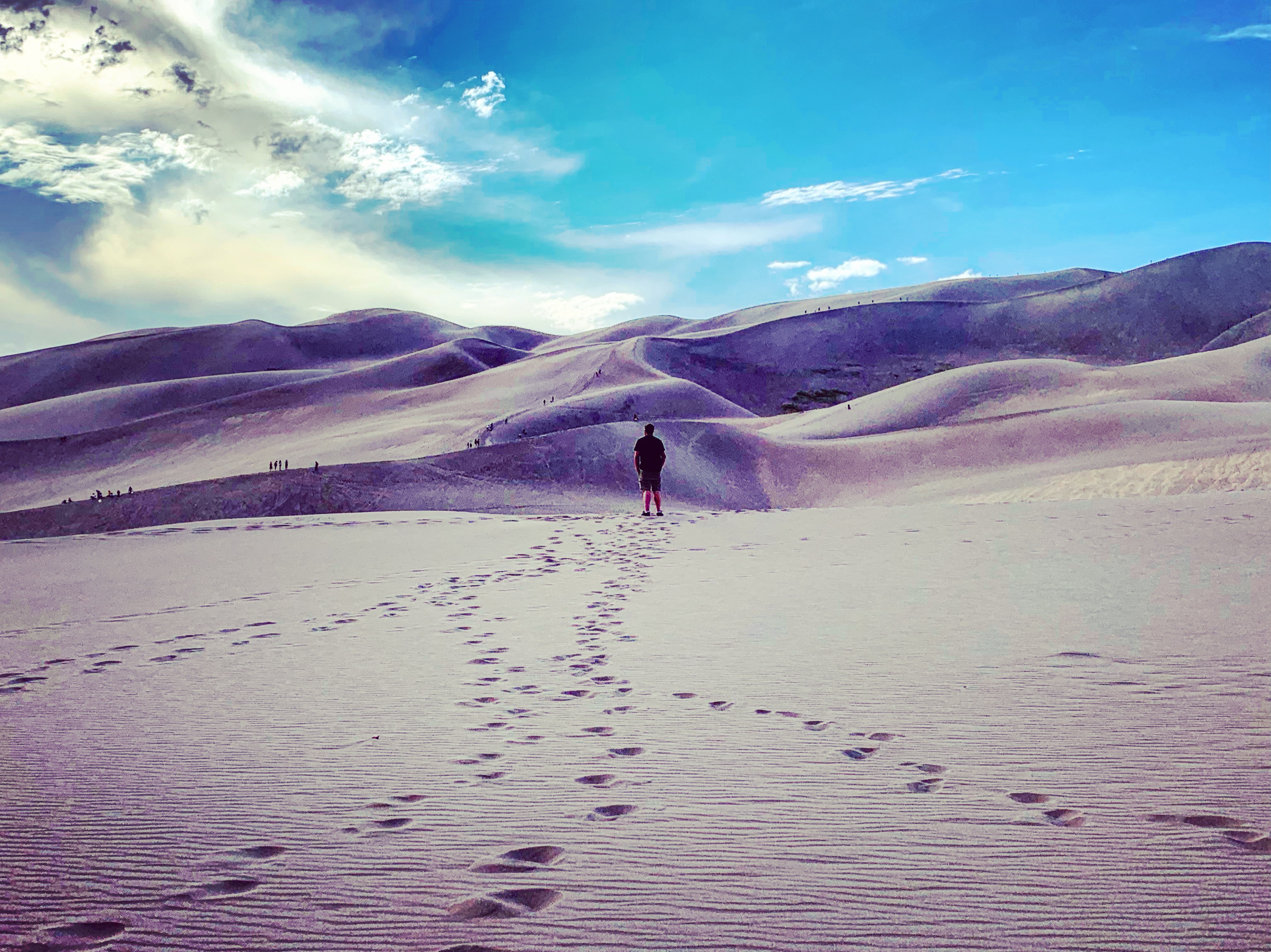
The last thing most people expect to see in the southeast corner of Colorado, thousands of miles from the ocean, is the massive sandbox of Great Sand Dunes National Park. It sits in the shadows of the Sangre de Cristo Mountains, made even more beautiful because of the element of surprise in finding giant sand piles seemingly out of nowhere. The sand is actually left over from ancient lakes that receded, leaving sand to be blown into the pocket created by the mountains and forming the highest sand dunes in North America. Here are our recommendations for how you should spend your time in this beautiful park.

Play in the Sand

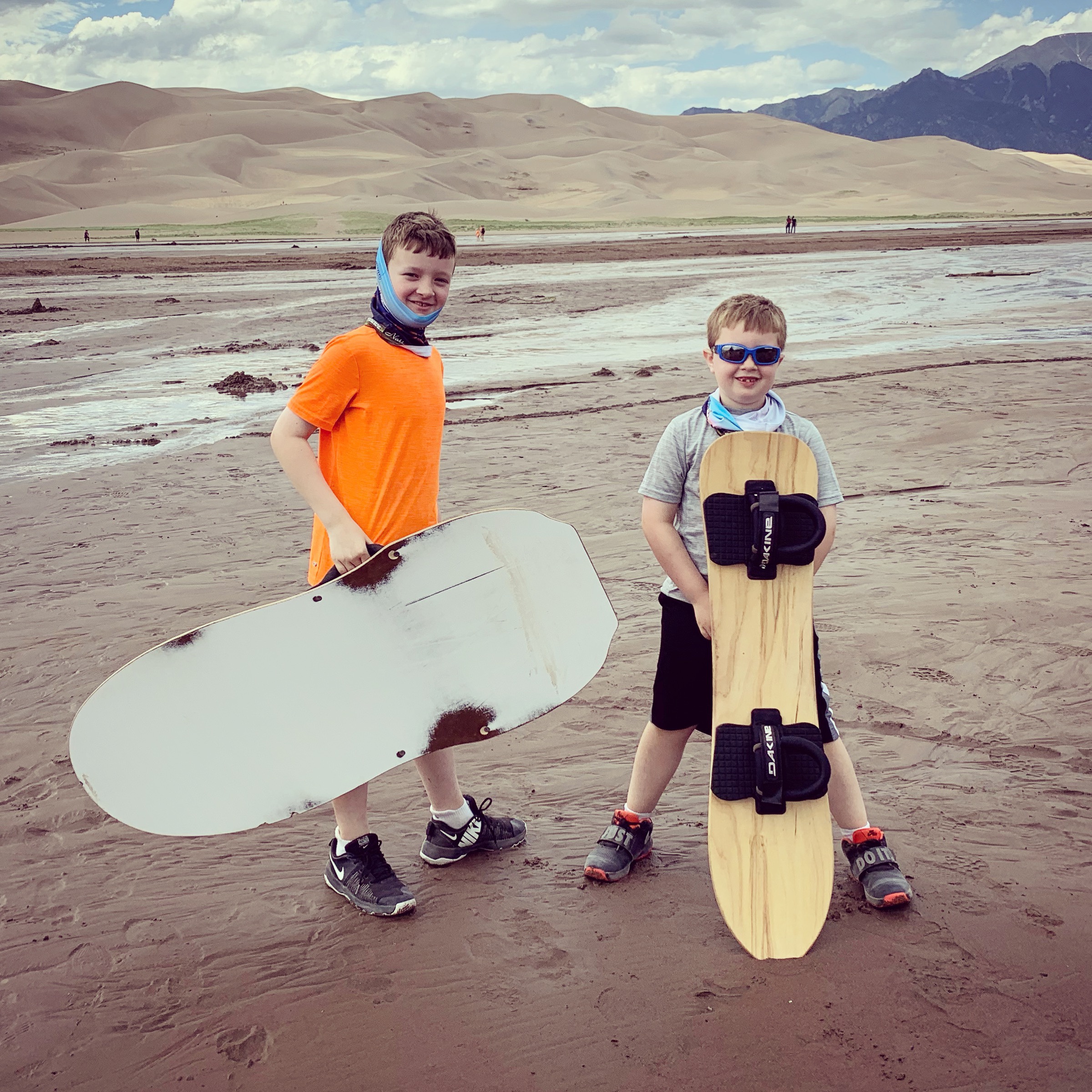
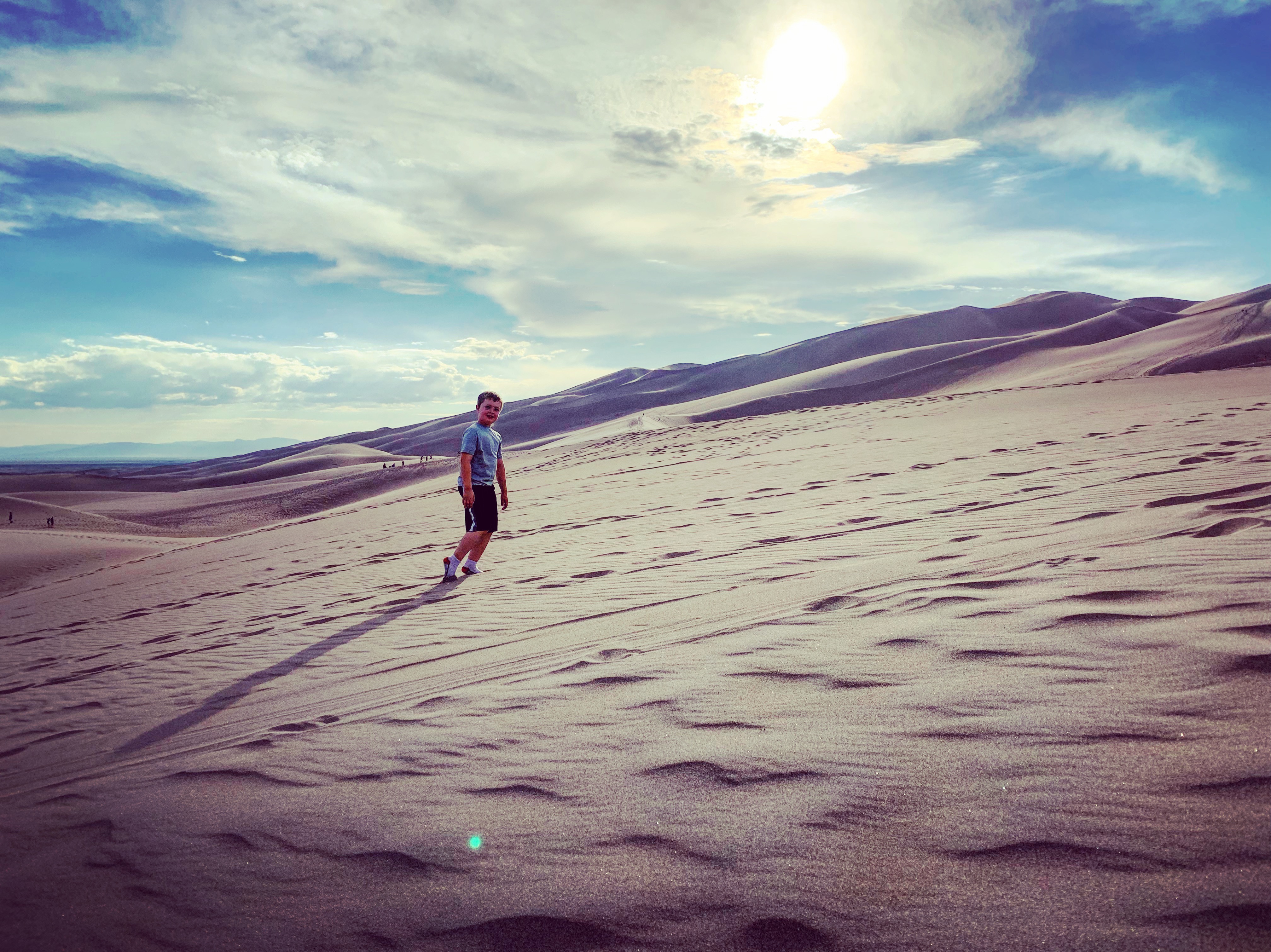
Sure, you can view the dunes from the visitor center, but the magic of this park is fully realized when you fill your shoes with sand. There’s a special parking area for accessing the dunes, but it’s still a bit of a walk to get out there. In the spring and parts of summer, the Medano Creek flows through the area as snow melt from the mountains runs down. We visited in the middle of July, and the creek was an ice cold trickle. There’s no way to get to the dunes without crossing the creek, so we made our way across the wet sand with little ribbons of flowing water.

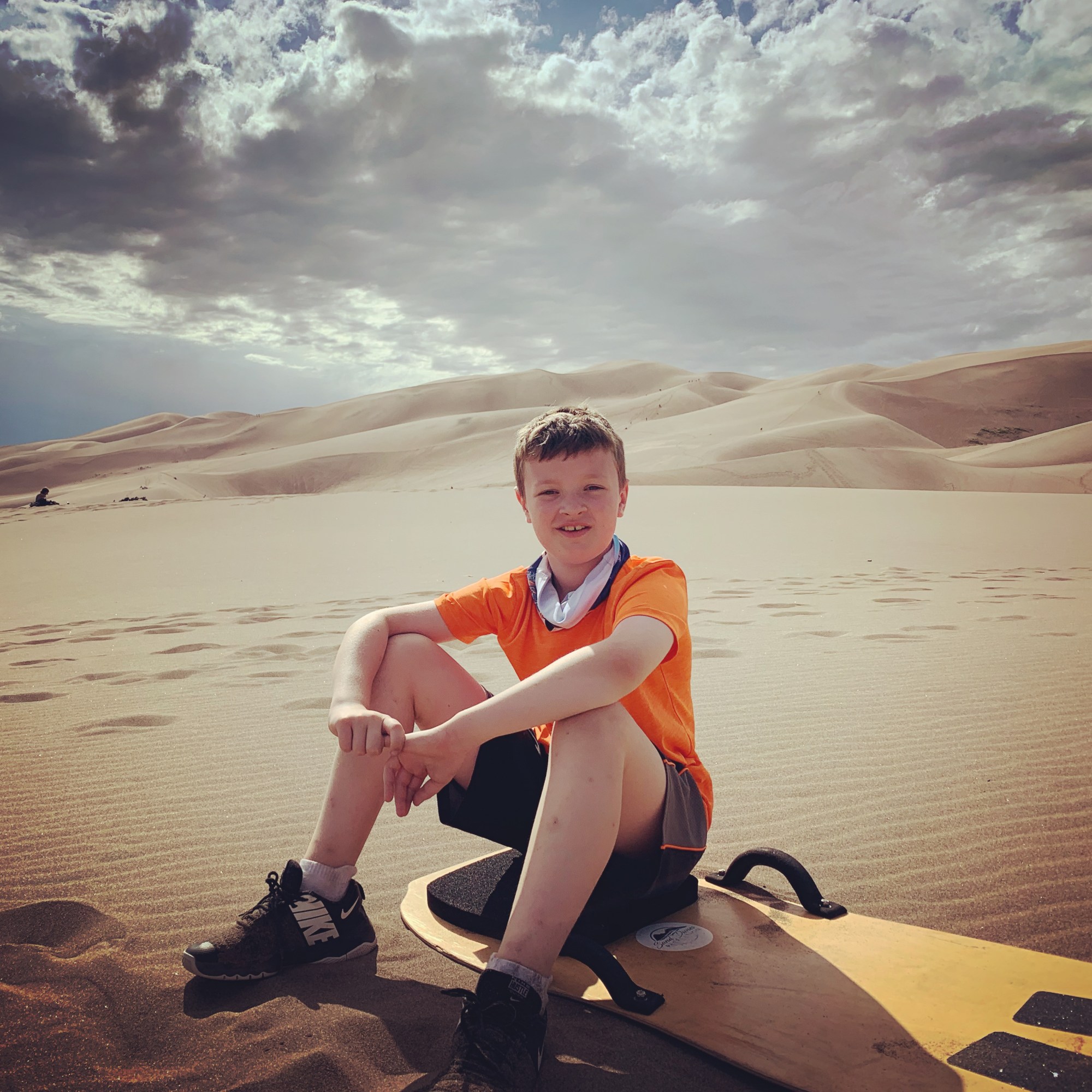
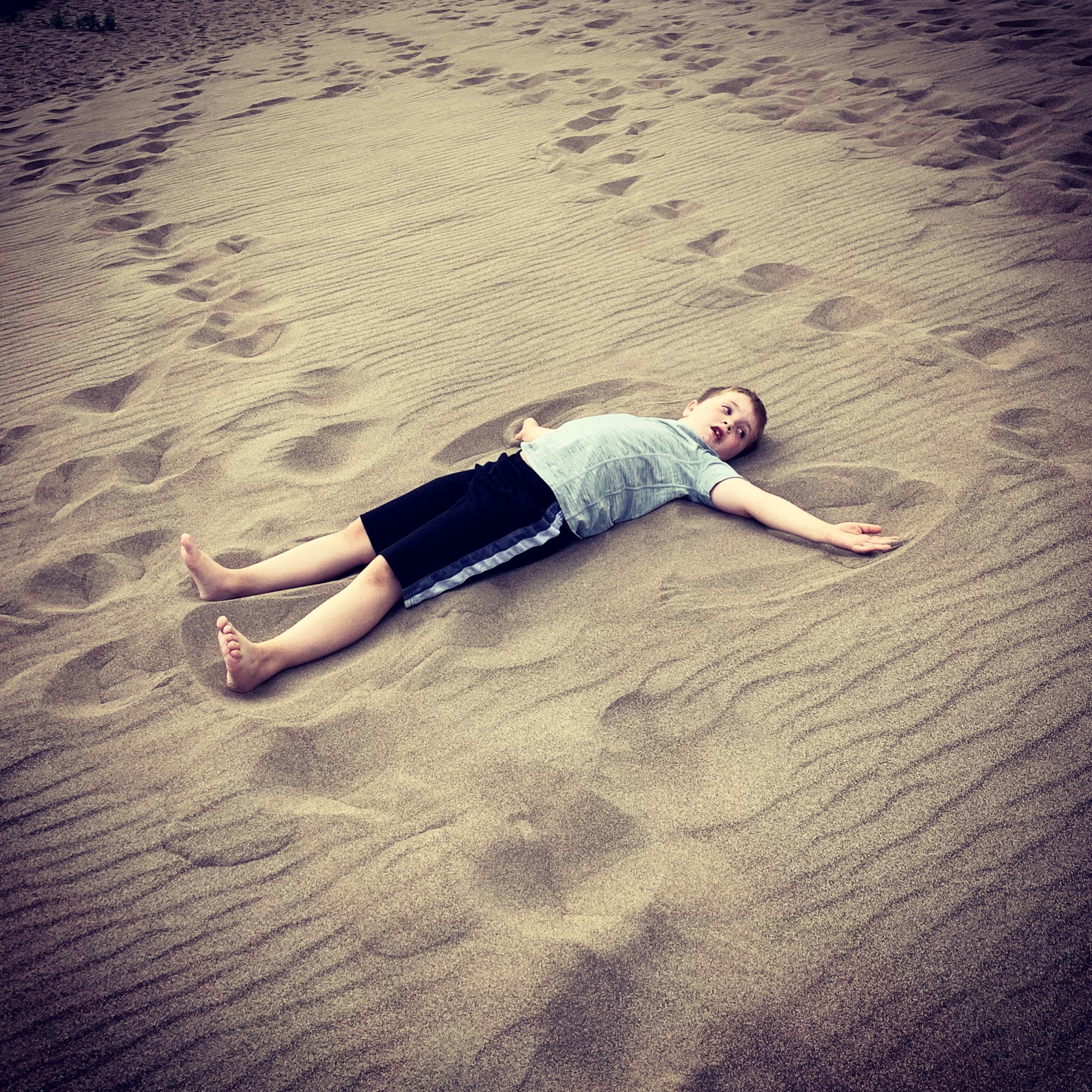
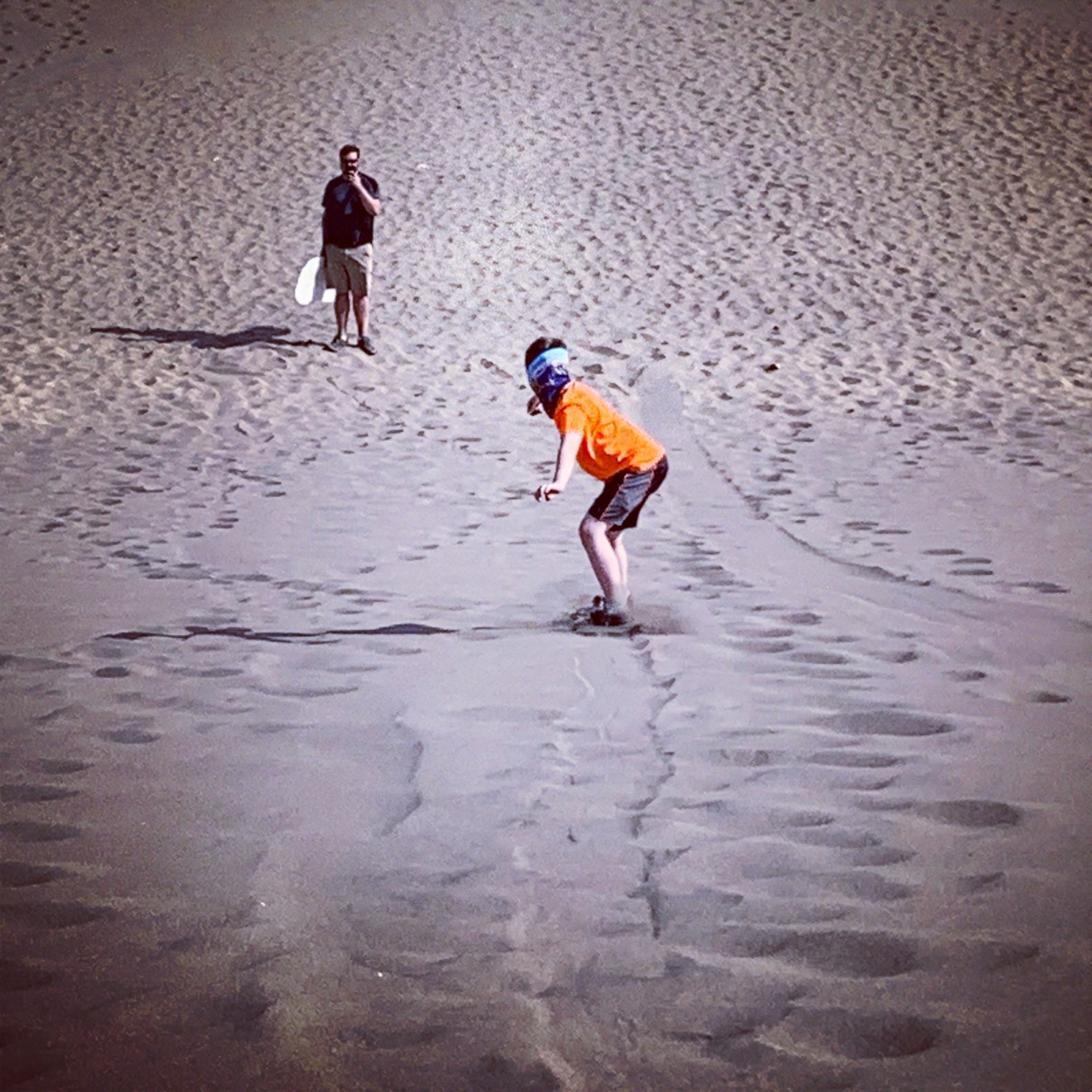
There are no trails in the dunes, so we chose a smallish dune to start with. Climbing a sand hill is no joke, especially at an elevation of over 8,000 feet. The sand can be really hot in the summer, but we waited until late afternoon so it wasn’t too bad. We started out with hiking boots, then just climbed in socks. We brought sand sleds and a sand board, so it was even more difficult to get up the dune. Finally we were ready to slide down. It wasn’t as easy as we were hoping. There was definitely some trial and error in waxing the boards, choosing the best location on the dune to slide from, and where to sit on the sled. We had some really fun, fast runs and other times it was frustratingly hard to get going.

No one in our family has snowboarded before, but Jack and I still wanted to try out the sand board. It was a little hard to balance, but it seemed to move more easily than the sleds. Jack was having fun with that until he fell and got a face full of sand and a bloody lip. He stuck to the sled after that! We spent over three hours up on the dunes sledding, boarding, and sitting in the warm sand and enjoying the views. Because the dunes are so expansive, we had our area to ourselves. It was really peaceful.

Attend a Ranger Program

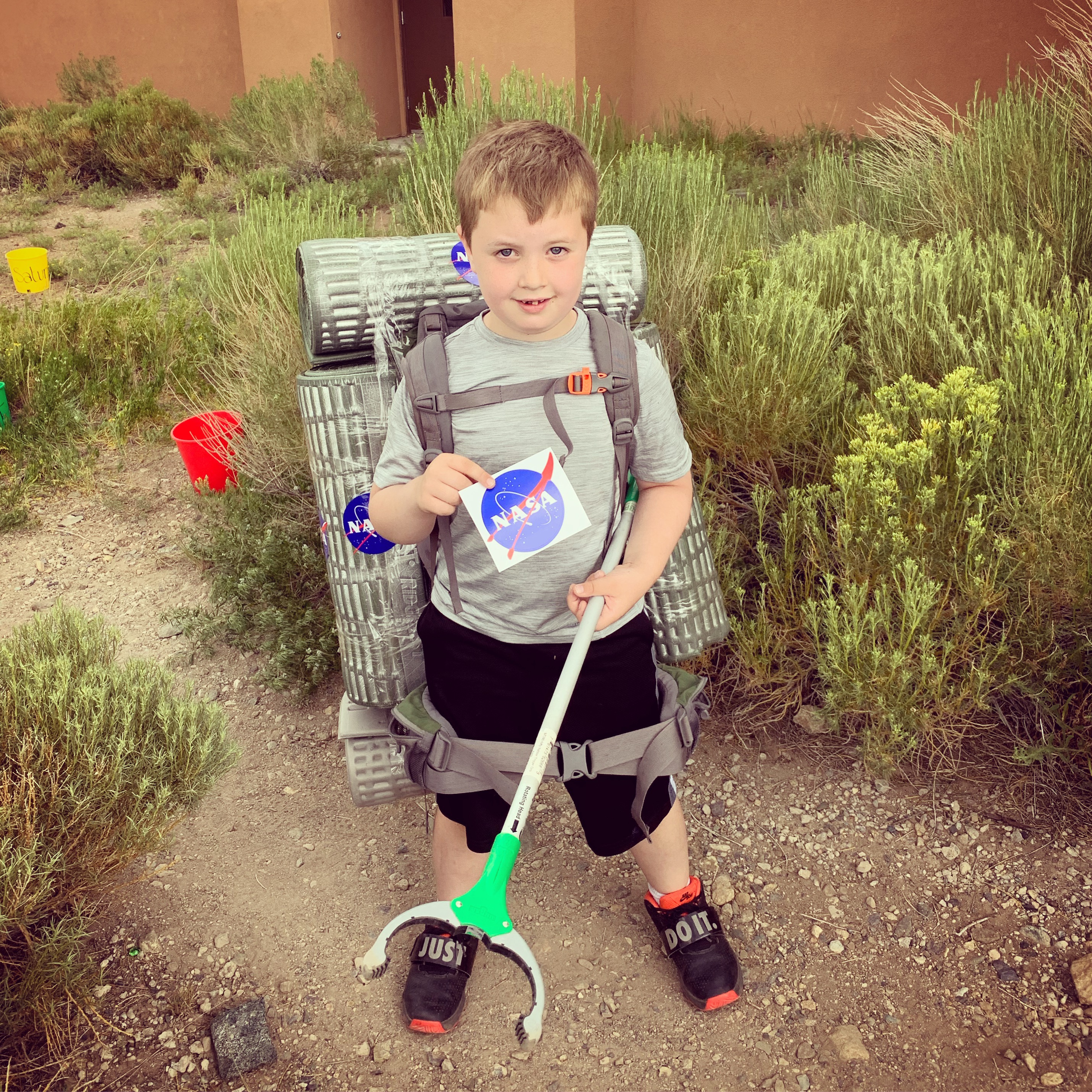
We arrived at the park in early afternoon. It was really hot, so we decided to start our time at Great Sand Dunes with a stop at the Visitor Center. The boys picked up their Junior Ranger books, and we watched the short film about the park. There are several exhibits about the park that are hands-on and kid-friendly so we poked around in there for awhile. We were about to leave when they announced a special ranger program. It was the 50th anniversary of the Apollo 11 mission, and one of the rangers is also a partner with NASA so she spoke about how national parks have been involved in the training and education of astronauts. Then the kids could put on packs and practice picking up “rocks” just like the astronauts did before their mission. She even had an actual rock from the moon for us to touch! It was a great way to beat the heat before hitting the dunes.

We spent only one night here, and that was enough for us. We had a great time out on the dunes, but the campground was swarming with mosquitoes. We camp all summer so we can handle some bugs, but it was more than a few. I think Jack had about 20 on him at one point. It was hard to sit down even to eat without being covered. And this national park is very very rural. It’s surrounded by farming towns that don’t offer much else to do. So one night was perfect for us – just enough time to get sand in everything and then hit the road again!

Rocky Mountain National Park

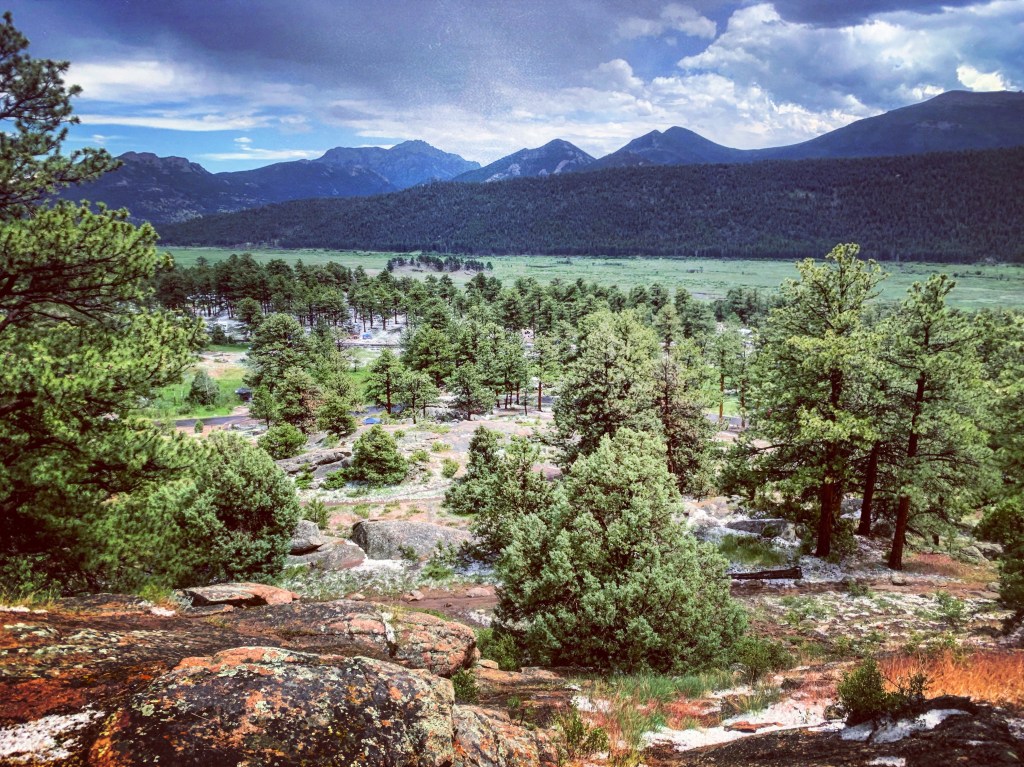
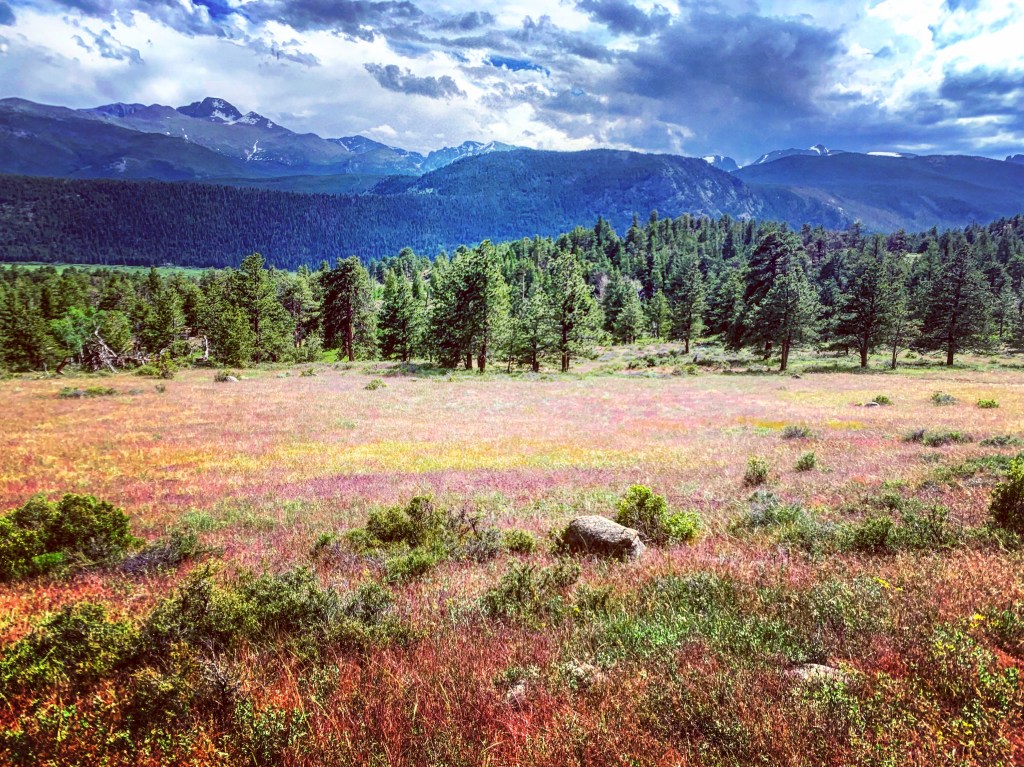
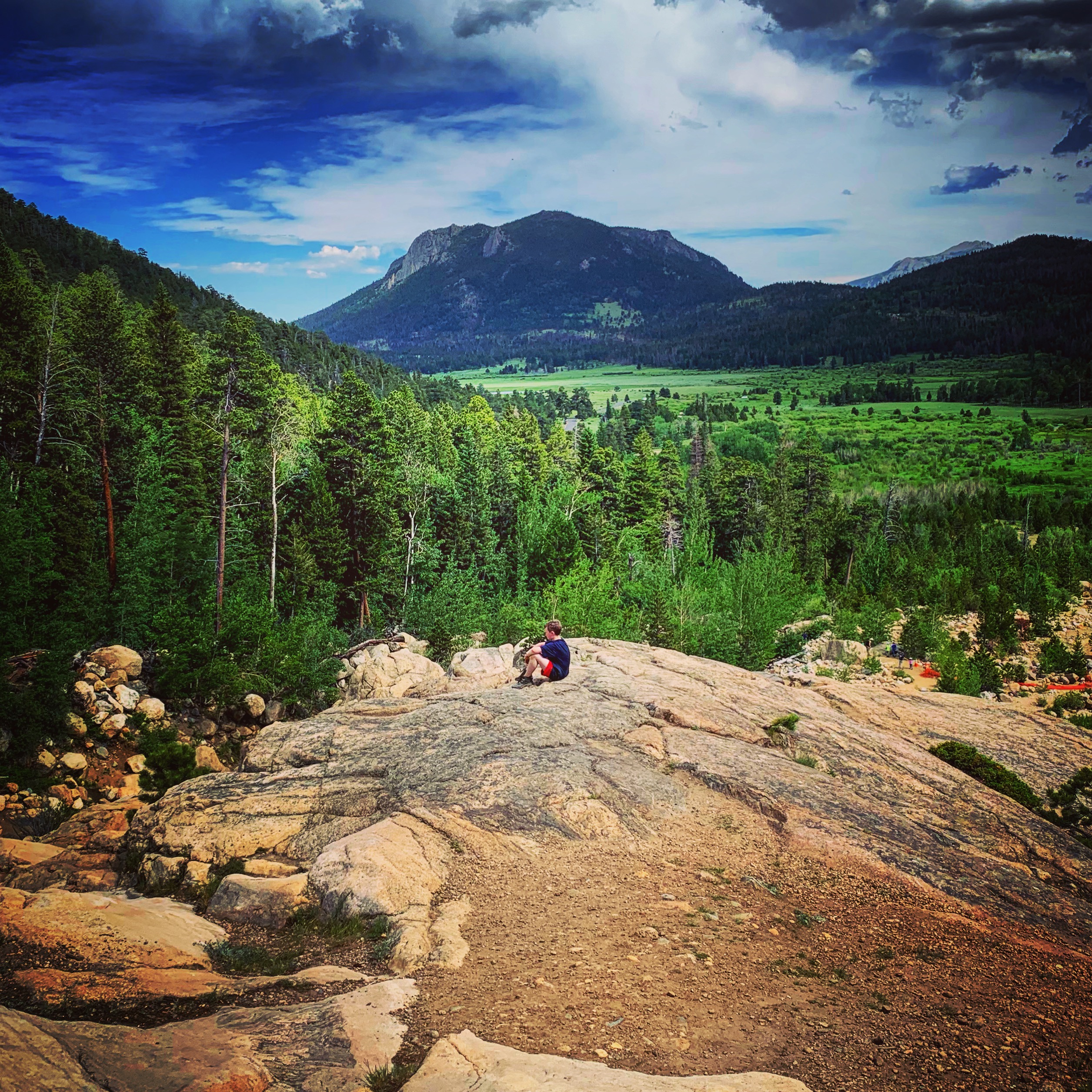
Rocky Mountain National Park is a special, special place. The beauty of the snowcapped mountains, the fields filled with purple and yellow wildflowers, and the sparking lakes and rivers create a landscape that is stunning in every direction. We spent four days exploring this park, and we think every visit should include the following sites and activities!

Trail Ridge Road

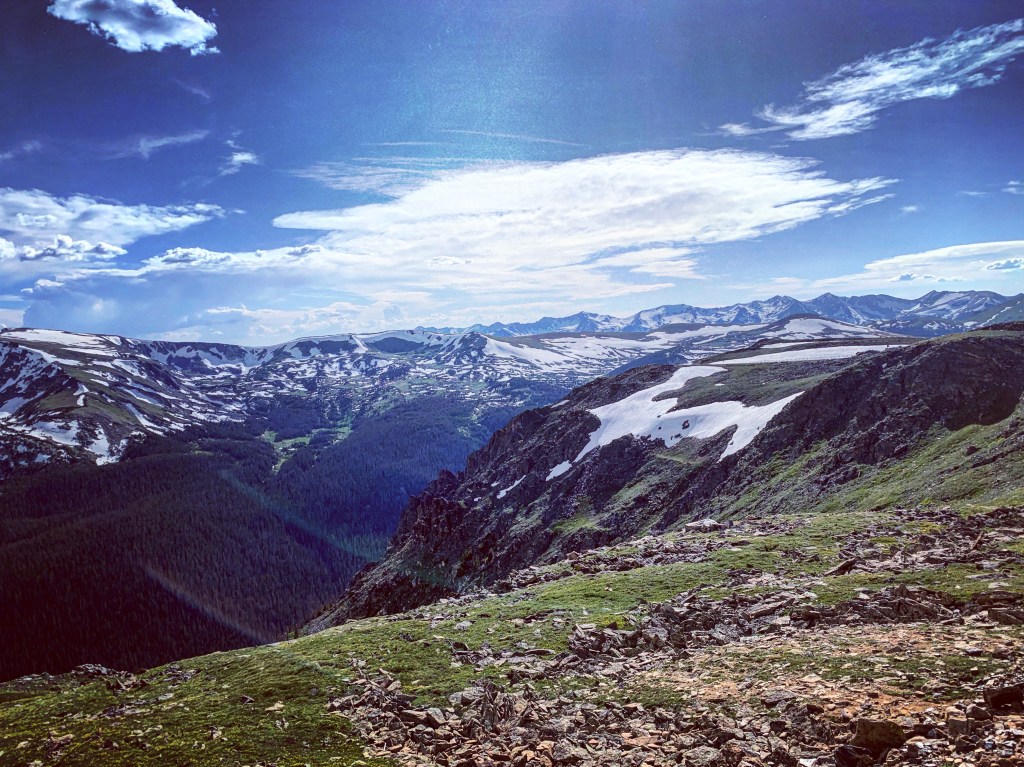
Trail Ridge Road is the scenic drive that connects the eastern and western sides of the park. It’s a full 48 miles of mountain driving that takes visitors up over 12,000 feet and across the Continental Divide. It’s actually the highest continuous paved road in the United States! Along the drive, there are scenic pullouts and short hikes. It’s also interesting because of the various regions that the road passes through. We started in the Montane region, with meadows, rivers, ponderosa pines, and lots of wildlife. As we headed up the mountain, we passed through the subalpine region – evergreen forests and mountain lakes, eventually reaching the alpine tundra. This high altitude area is above the treeline, with only the hardiest plants and well-adapted animals able to survive.

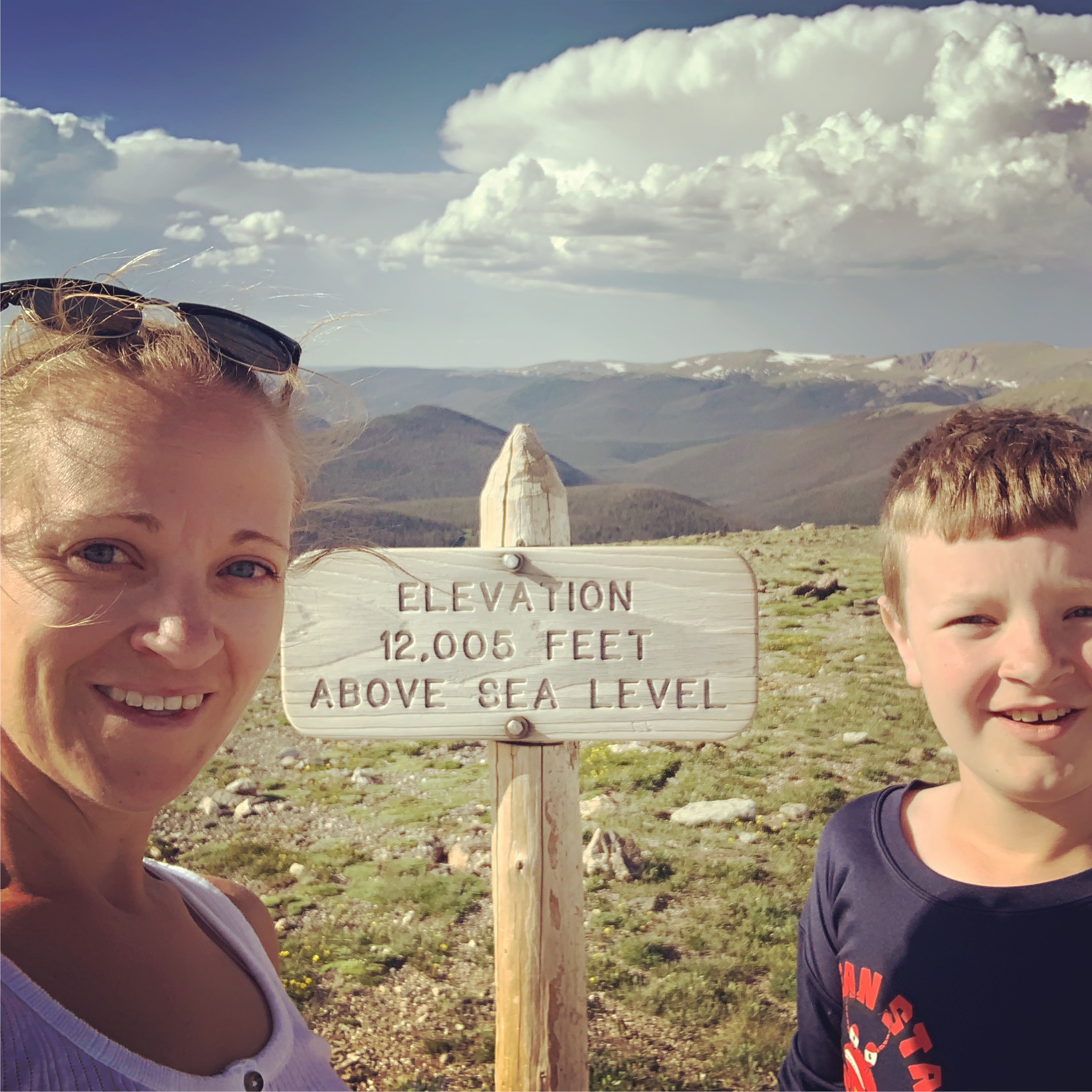
We stopped at several locations along the road, including Many Parks Curve, Rainbow Curve, Rock Cut, and Lava Cliffs. We hiked the Tundra Communities Trail, a one mile round trip nature walk through the tundra with an awesome rock to climb up at the end. Jack and I also climbed the one million stairs to the top of the Alpine Ridge Trail at the peak of the road. This afforded some amazing views of the area around, and allowed us to take our picture at the “elevation 12,005 feet above sea level” sign.

As amazing as it was, this drive is not for the faint of heart. Although it is entirely paved, the road is narrow and winding, and there are steep drop-offs without guardrails in several locations. We were lucky that we didn’t run into any storms, but the weather changes quickly up in the mountains so be prepared for all conditions. As nerve-wracking as the drive was, the experience of driving “the highway in the sky” was unforgettable.

Hike to Emerald Lake

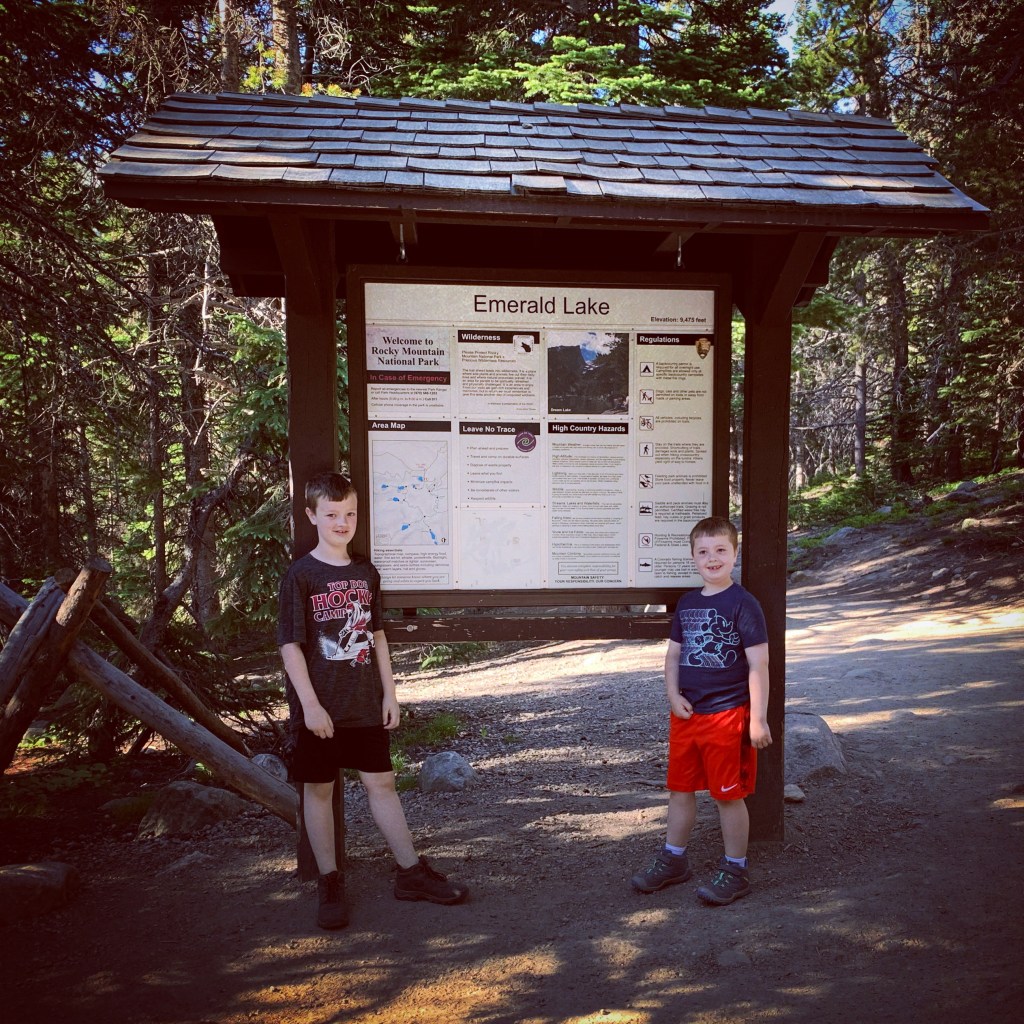
One of the best family hikes in Rocky Mountain National Park is the 3.6 mile round trip hike to Emerald Lake. It leaves from the Beak Lake Parking Area, and due to the popularity of the trails in this region, the lot can fill before 8am. We arrived around 7:15am, and there weren’t many spaces left. We had breakfast in the parking lot. It was a first for us – tailgating a hike just to get a parking spot – but I have a feeling it won’t be the last. And the early wake-up was well worth it!

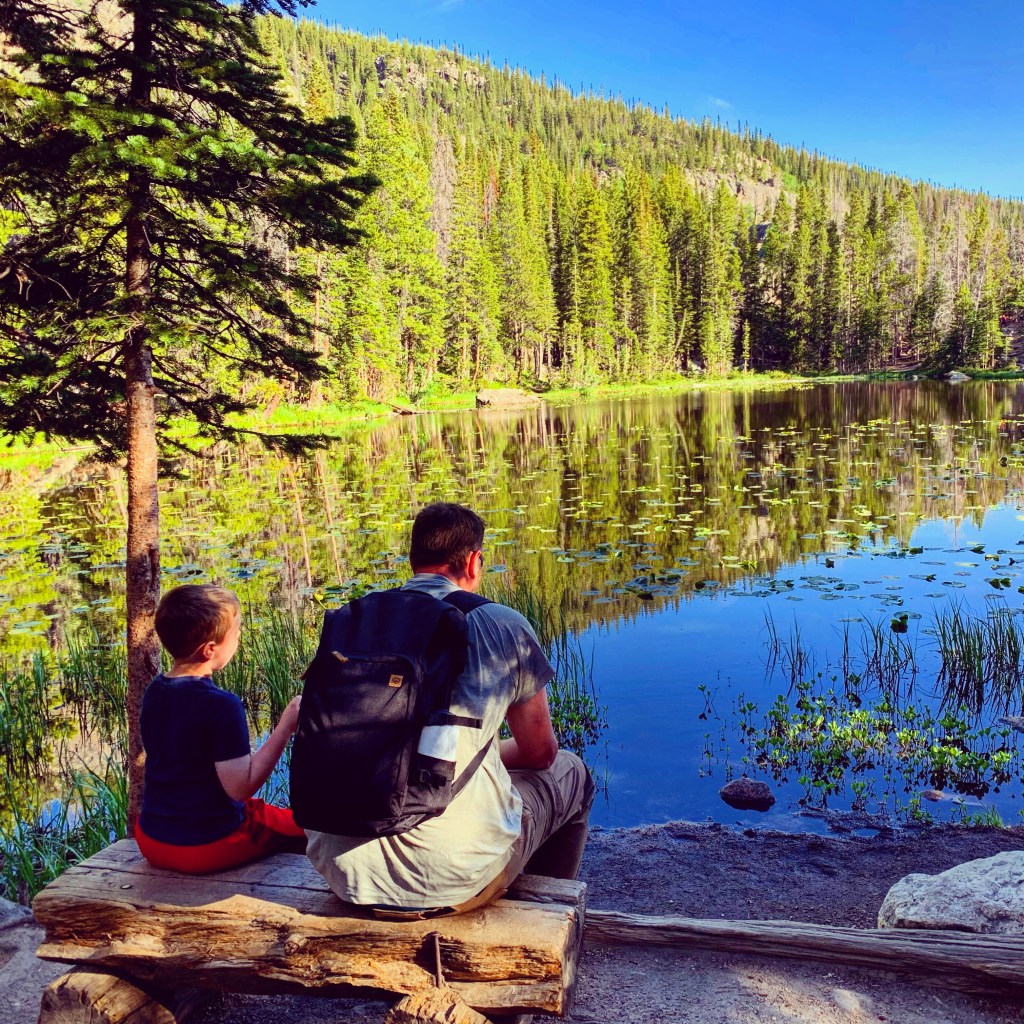
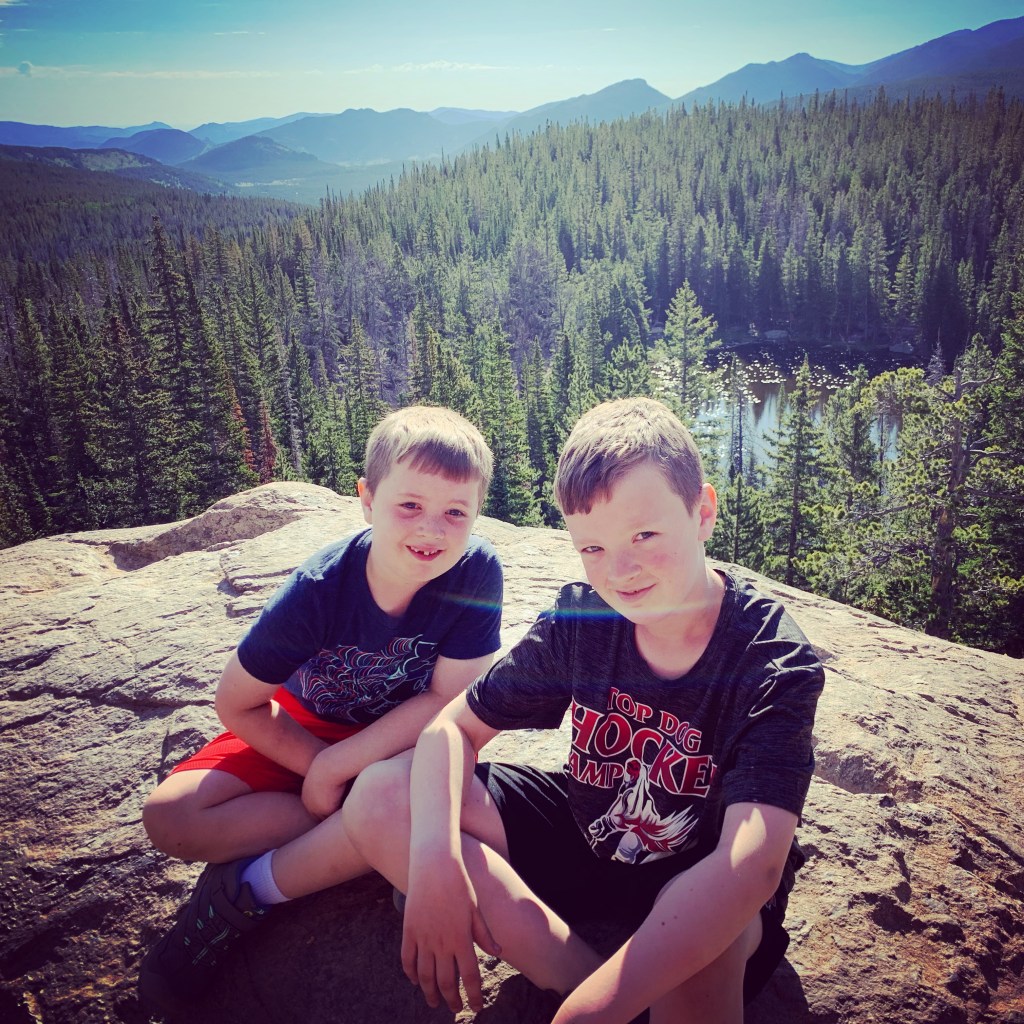
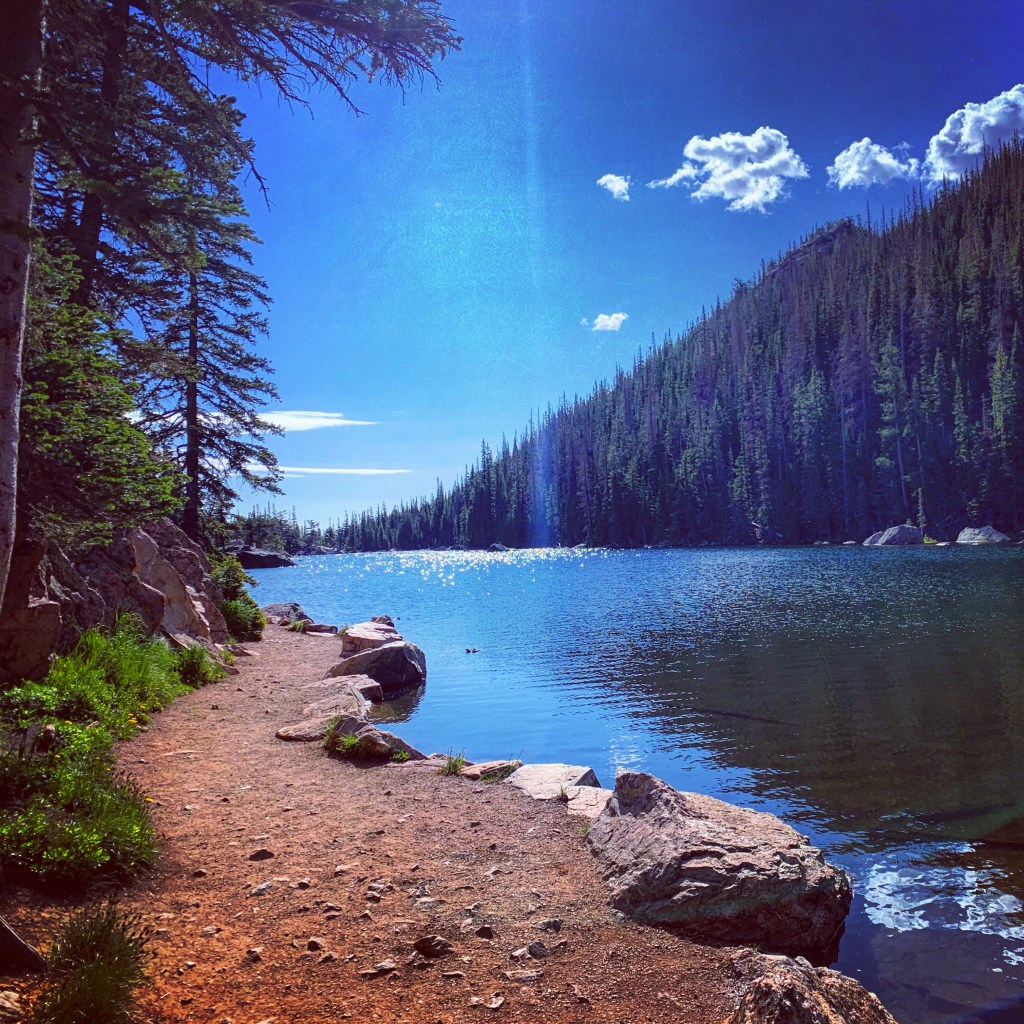
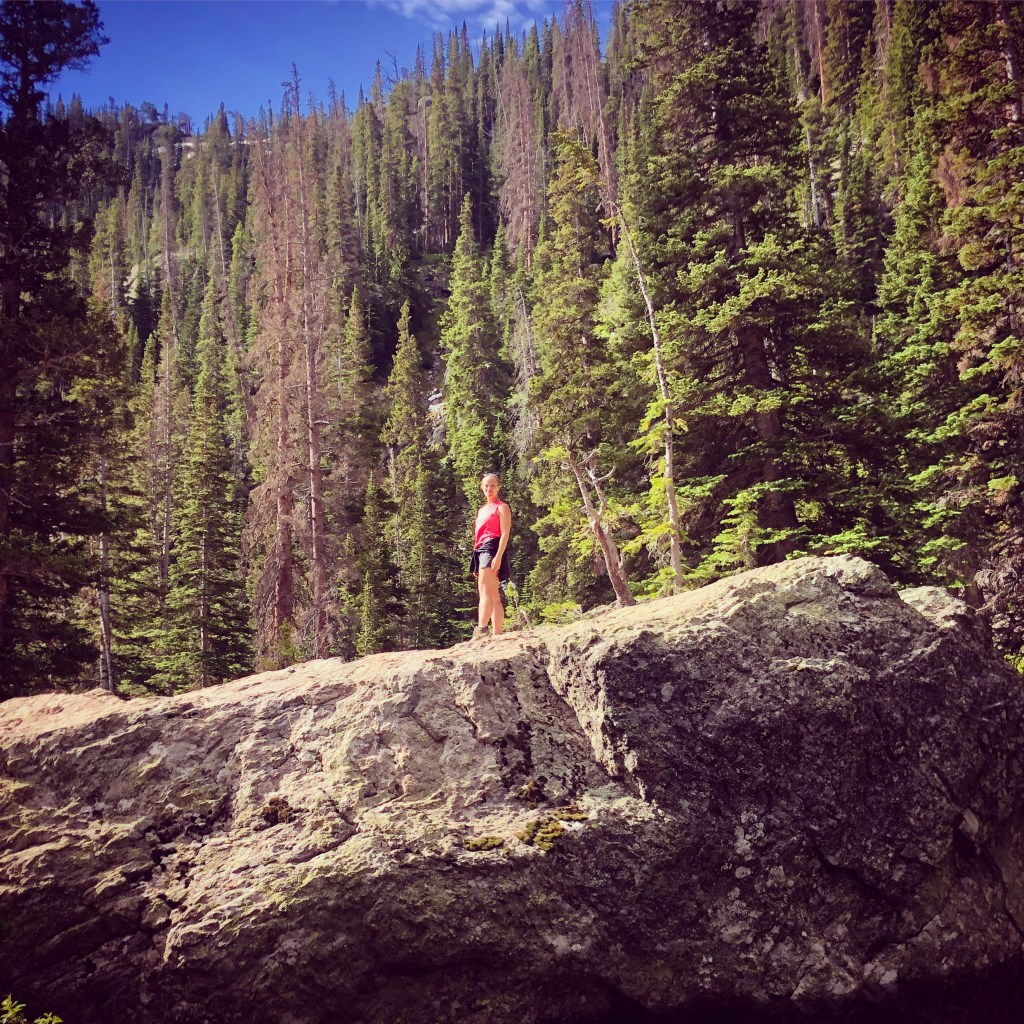
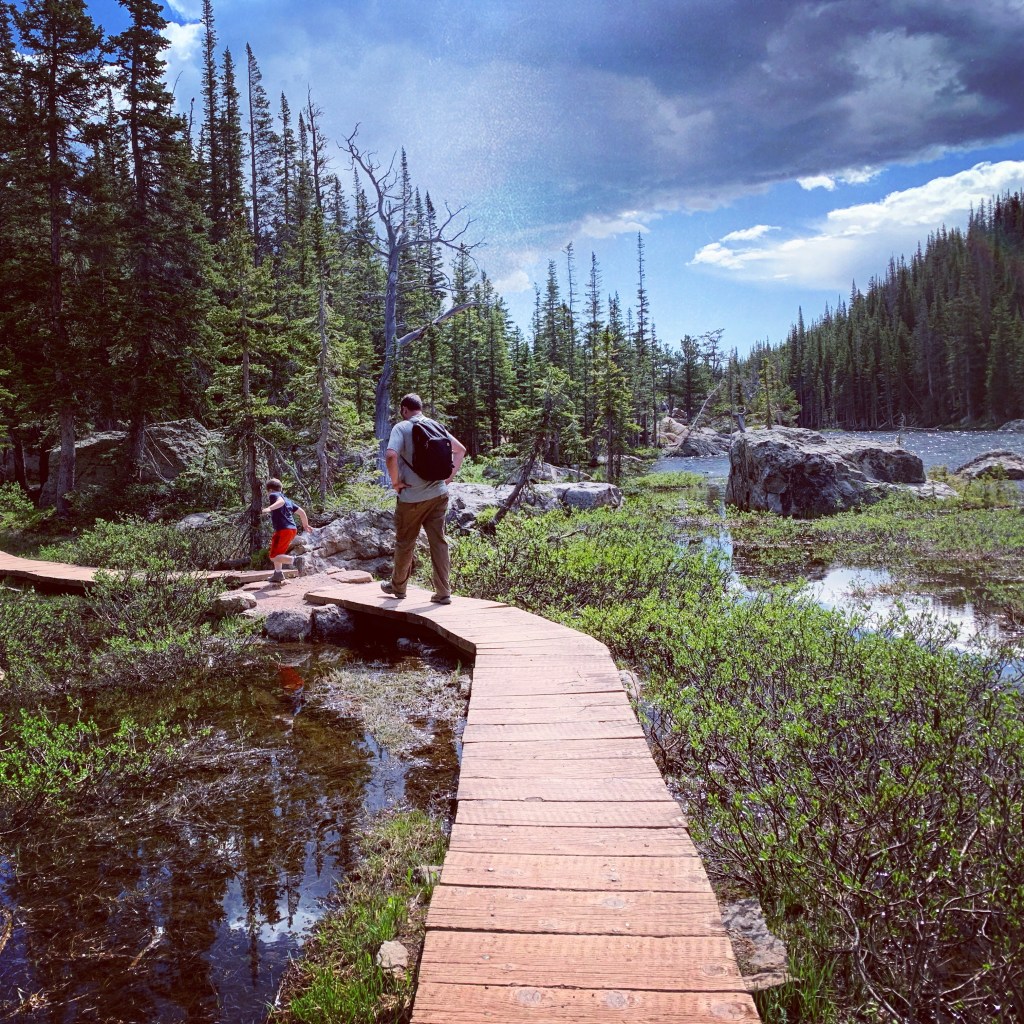
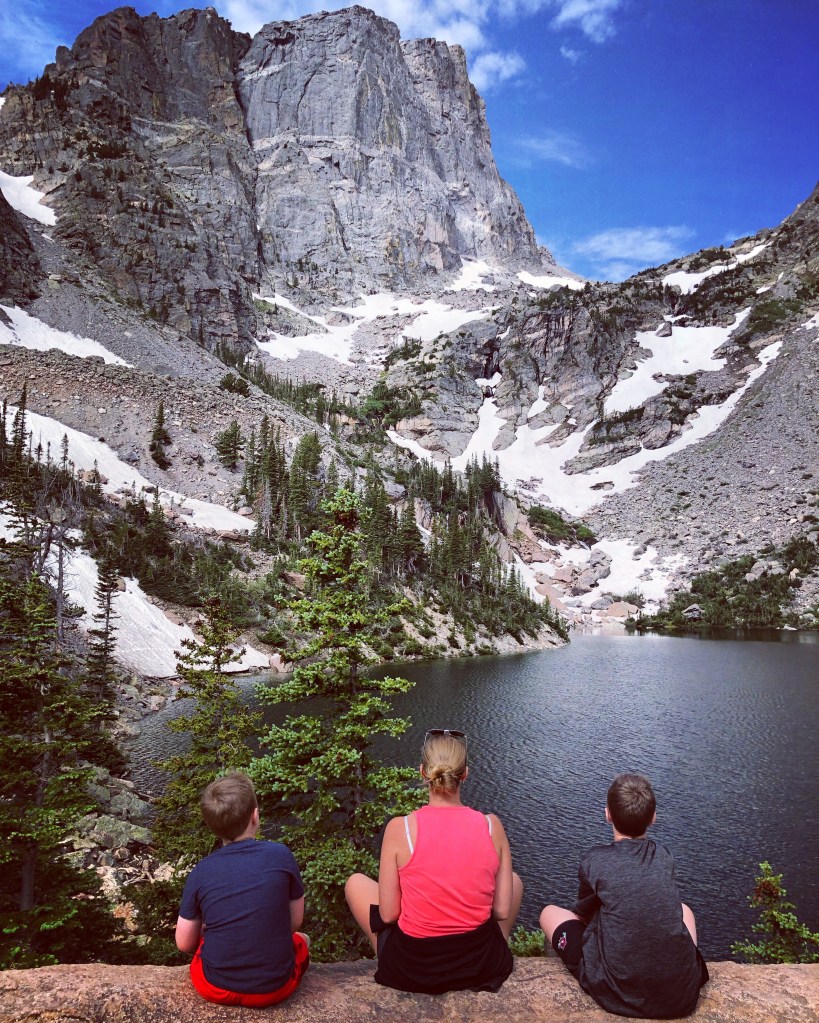
This hike is popular for a reason – you don’t have to wait to the end for beautiful views. The entire length of the trail is photo-worthy! The wooded path climbs slowly upward, passing Nymph Lake (a pond covered with lily pads), passing through gaps in the trees for some amazing mountain views, winding its way past my favorite lake of the day – the sparkling Dream Lake, crossing steams, climbing over a significant snow pile, and culminating at Emerald Lake. We stopped several times along the trail to catch our breath (elevation?) and also to enjoy the beautiful views. The boys climbed the rocks and felt the cold water streams. They even stopped for a short snowball fight close to the top. It was an amazing hike. I highly recommend it!

Horseback Riding

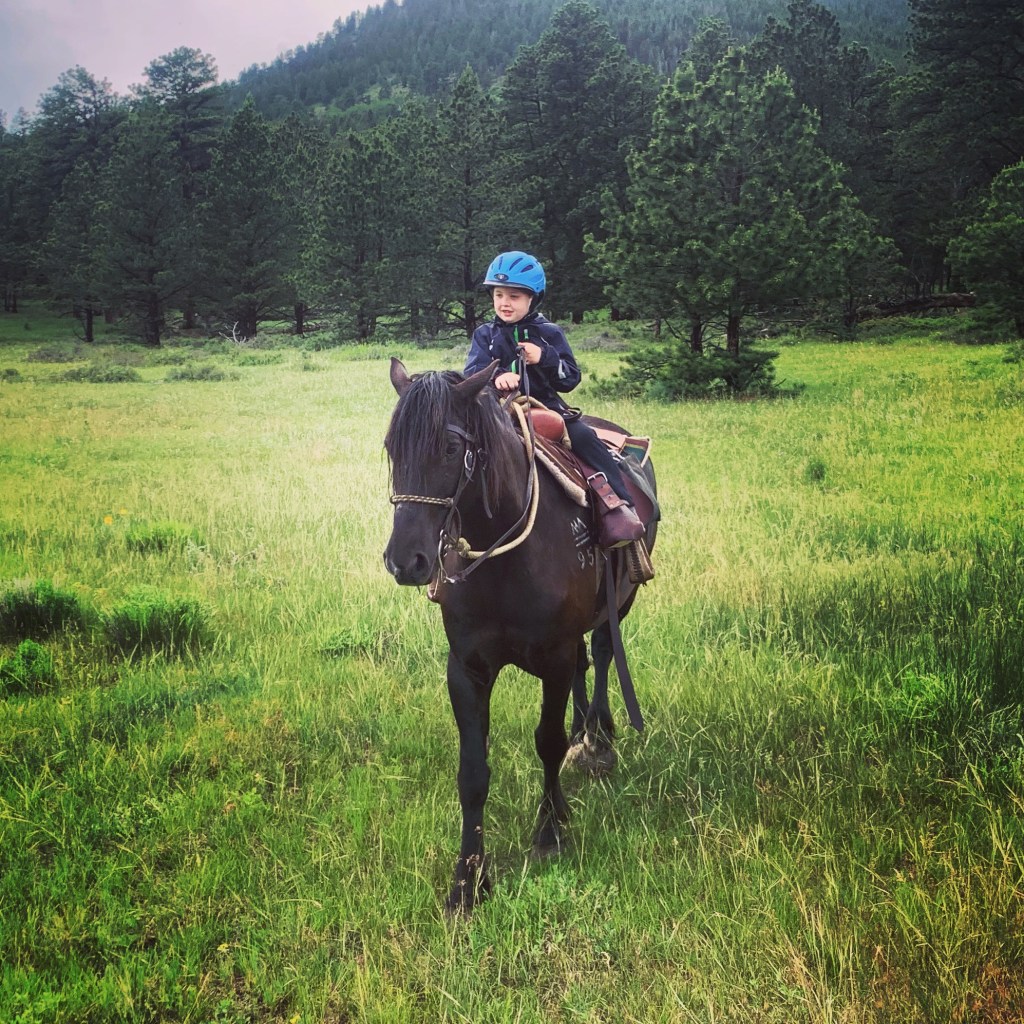
Jack and I have been horseback riding together several time, and we’ve always had a great experience. Liam is a little on the timid side, but he loves to ride ponies and REALLY REALLY wanted to go on a trail ride this summer. Rocky Mountain National Park turned out to be a great place for this!

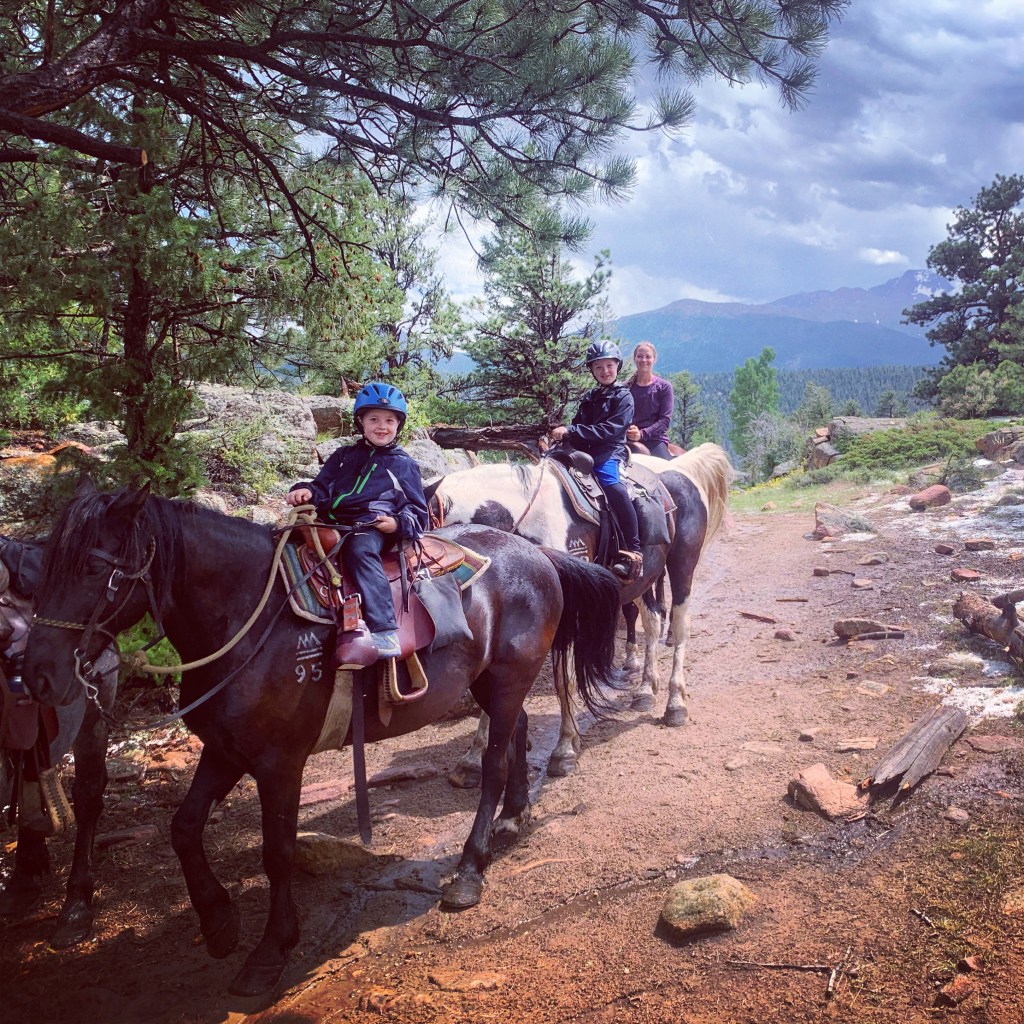
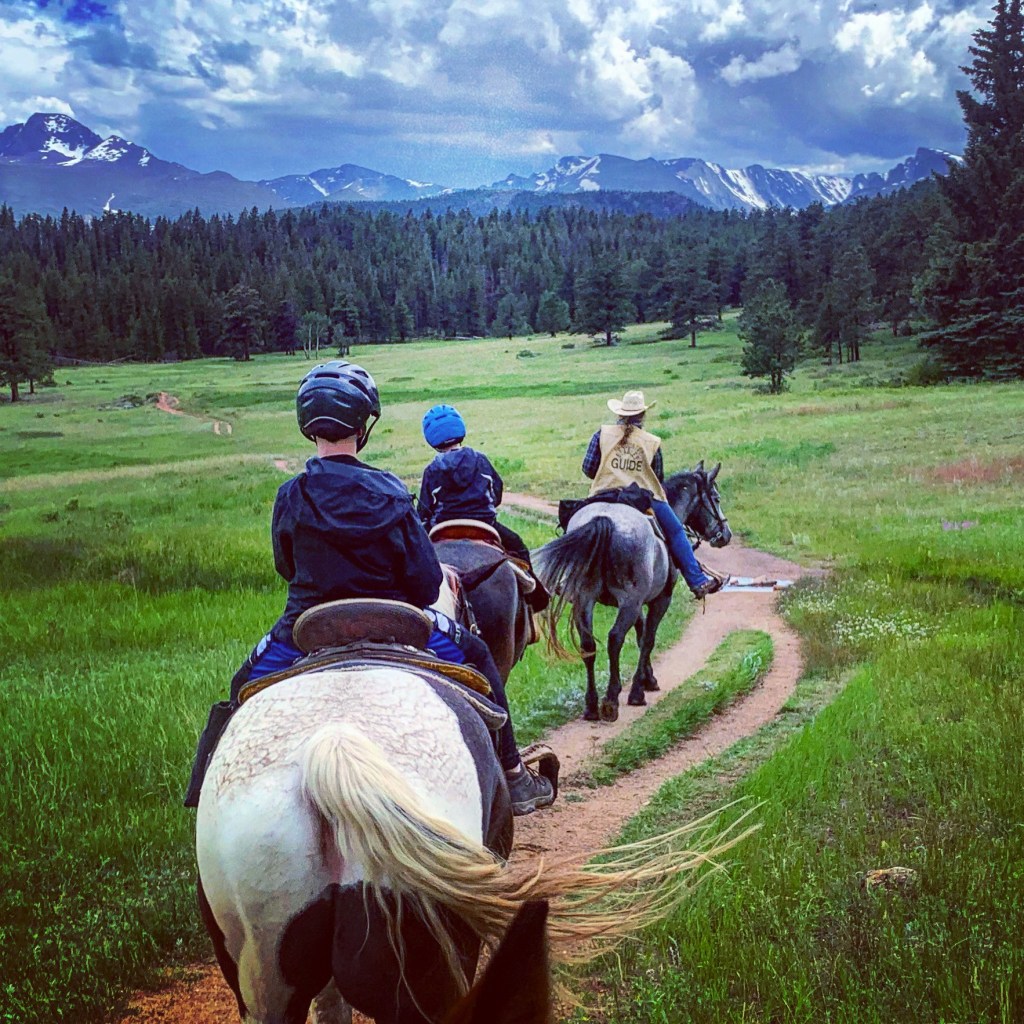
Sombrero Stables was right down the hill from our campsite, and we booked a two hour afternoon trail ride through Beaver Meadows. Just as we walked up the driveway to the stables, the sky opened up in the fiercest hailstorm I’ve every experienced. We waited it out for 20 minutes in the mens bathroom, and once the storm passed, we were ready to go! Fortunately for us, the other people who were scheduled decided to cancel, so we had the guide to ourselves! We saddled up – Liam rode Jimmy, Jack rode Big Jack, and I rode Wiley – and we headed up the hail covered mountainside.

The ride was gorgeous – mountain views, meadows with wildflowers, wooded areas filled with pine and aspen trees, and even a wildlife sighting when a deer crossed the path! The horses splashed through the big mud puddles left from the storm, and the boys had a great time. There’s something magical about experiencing nature from the back of a horse.

The hail storm was crazy!

Junior Ranger Programs

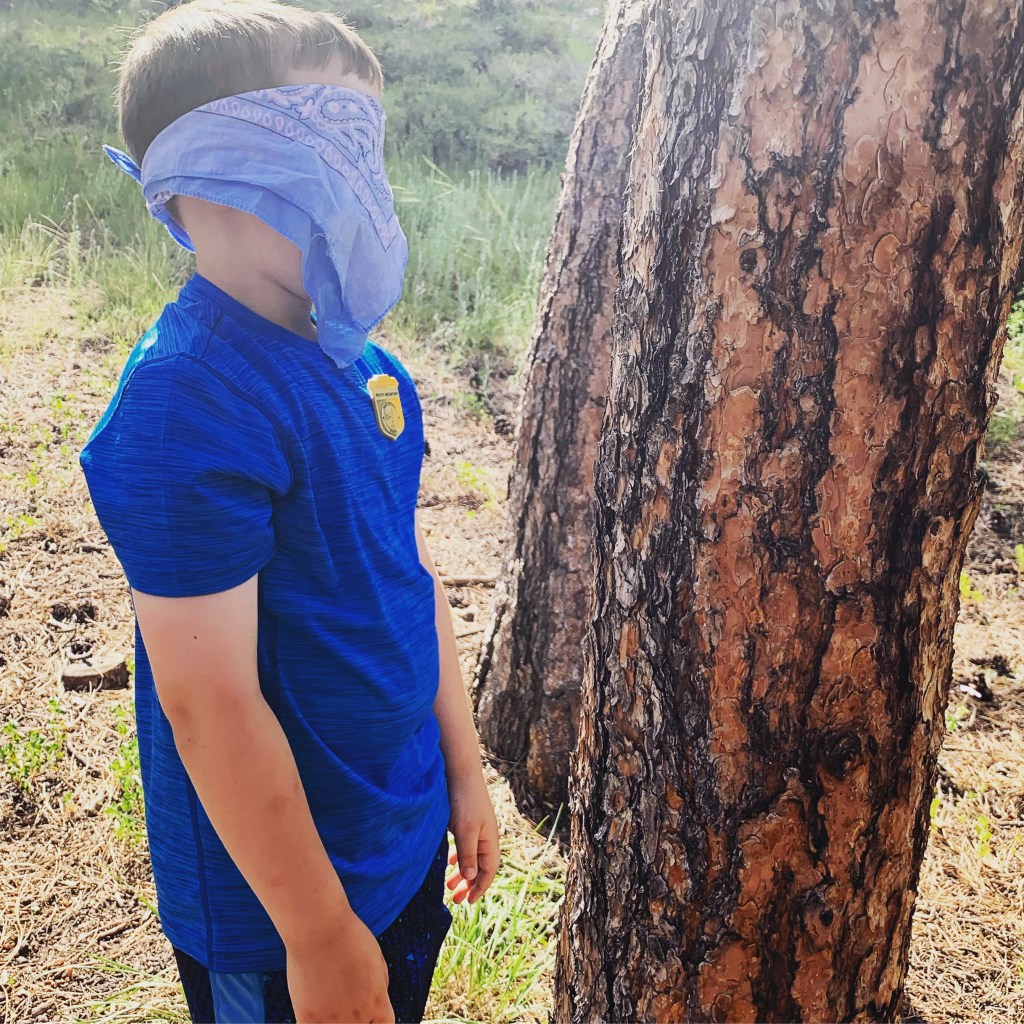
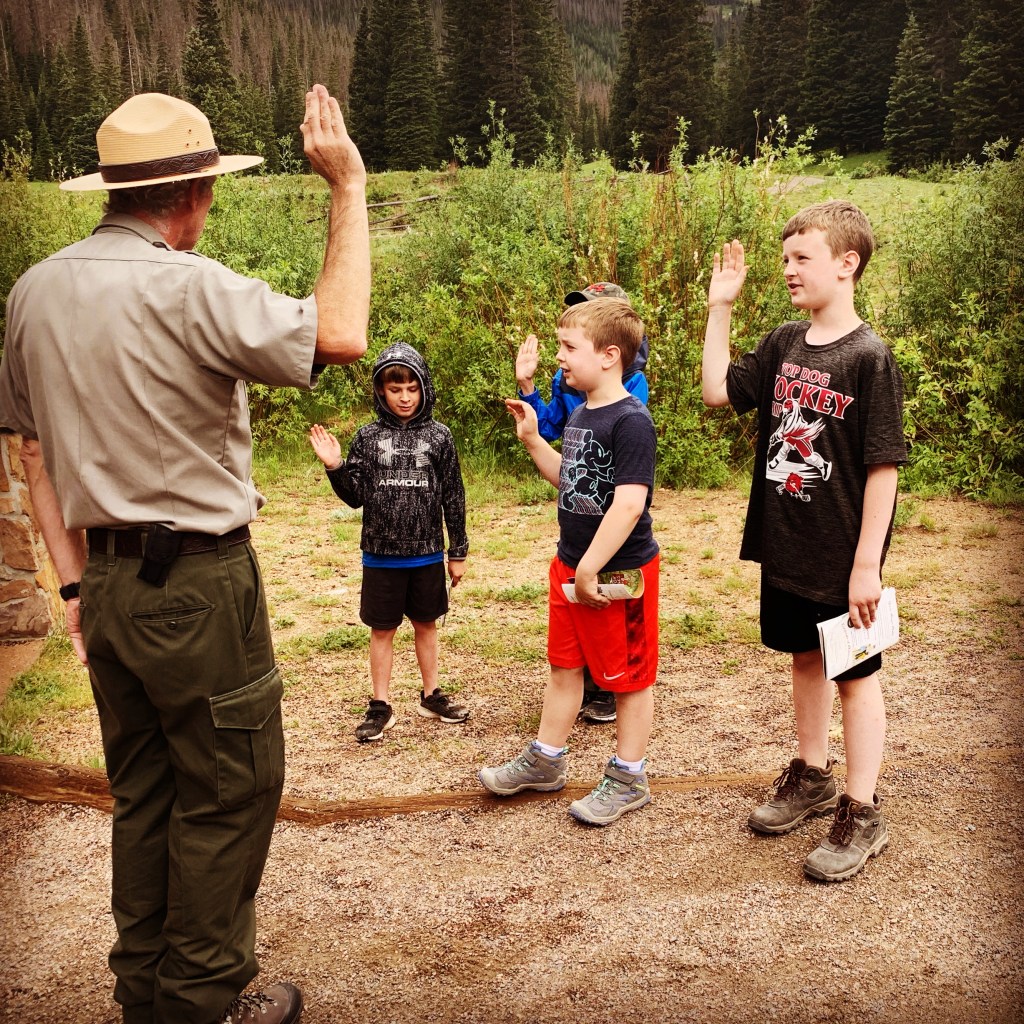
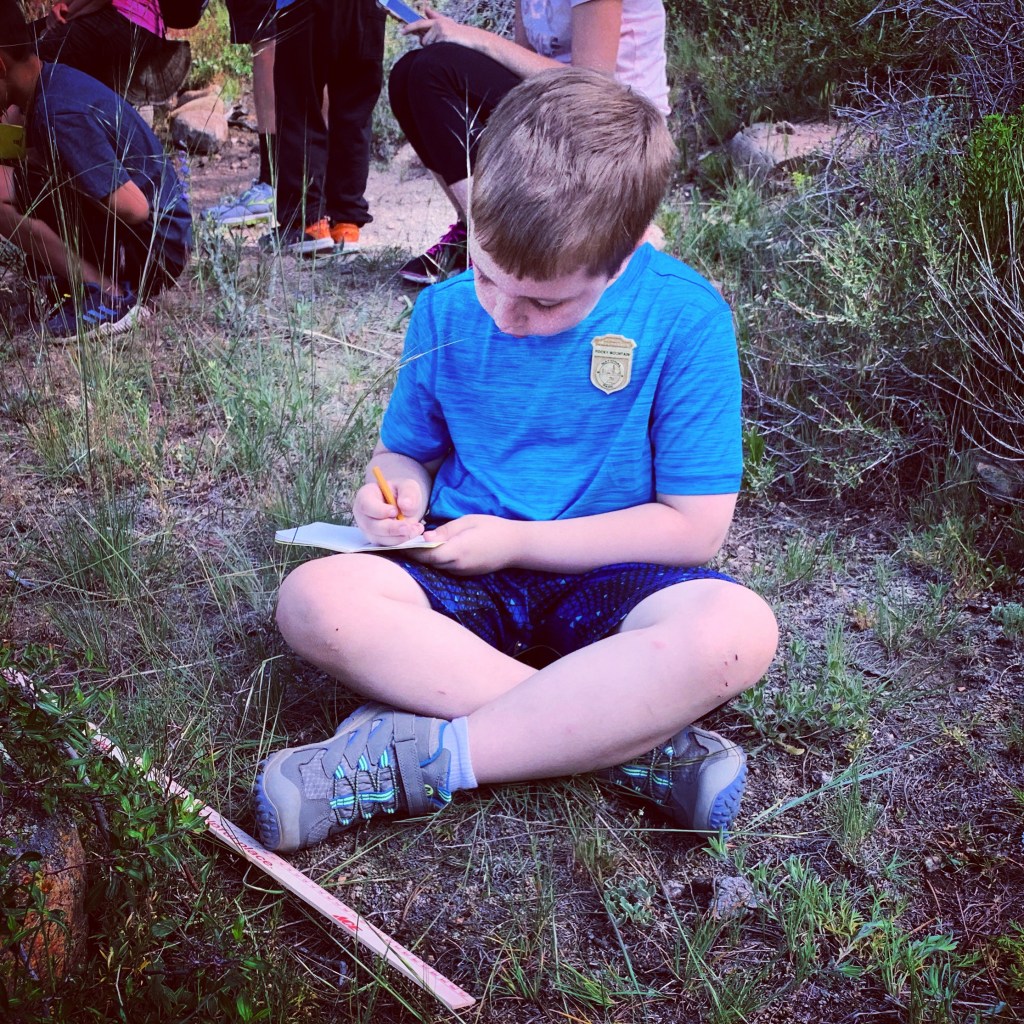
Any visit to RMNP should include attending some of the awesome programming that the National Park Service puts together. There’s a wide variety of options – almost all included with park admission – and the rangers are knowledgeable and passionate about their work. We attended the nightly presentations in the campsite amphitheater each of the three nights that we stayed. One evening the boys were in a play depicting the Native American tale How the Coyote Stole Fire, another night we learned about human influences on the park, and the last night was a presentation about all 61 National Parks. The boys also became Junior Rangers while we were visiting, and we attended a Junior Ranger Discovery Hike. It was a short, ranger-guided hike from the Moraine Discovery Center in which the kids participated in a variety of activities. They were blindfolded and had to explore the area using other senses (which included smelling the sweet Ponderosa Pine). They made a giant web using string to show how different parts of the ecosystem interact, and they were given time to sit down and explore a small area, writing and drawing the things they saw. It was such a fun learning experience perfectly designed for little ones!

Alluvial Fan

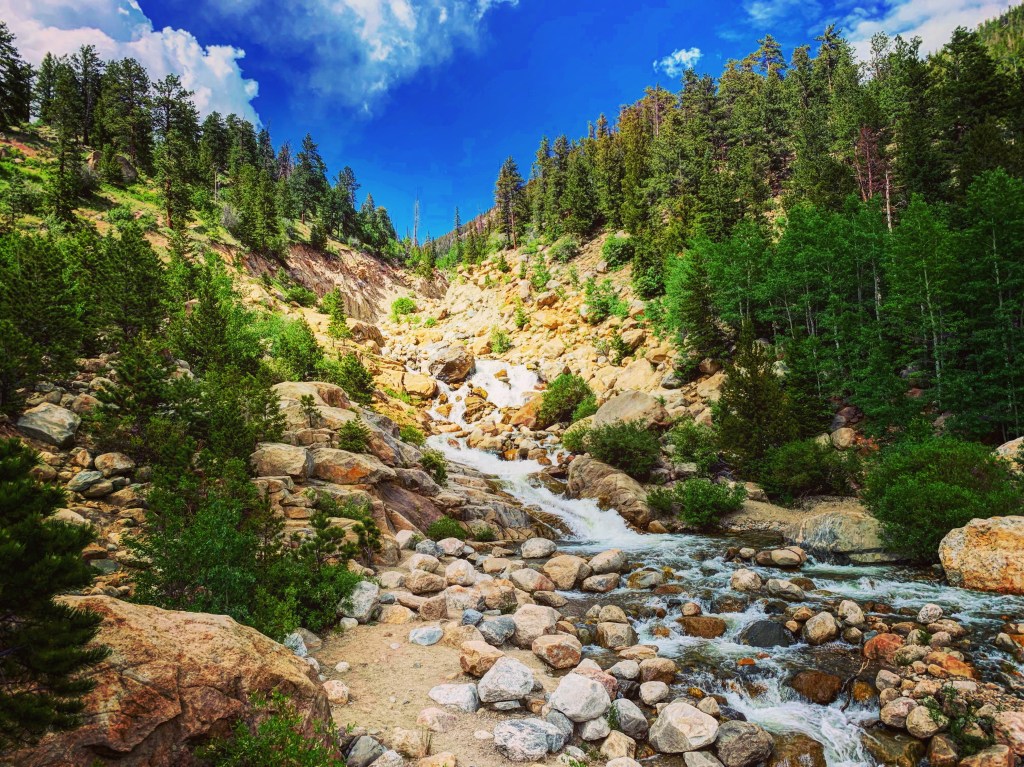
This short hike was really more of a scramble up the rocks, but it led to beautiful views of the mountains and forest surrounding the park, as well as the river flowing down. There’s some cool history about how the Alluvial Fan was formed back in 1982 when the Lawn Lake Dam broke, sending torrents of water cascading down the mountainside, bringing with it the huge boulders and rocks that are now seen in this area. We climbed up to the top of the trail and spent some time enjoying the peace of the location. It is a truly special location.

The photos provide a glimpse into the gorgeous landscapes of Rocky Mountain National Park, but a visit is required to fully experience this park. The smell of the pine trees, the sound of water moving over the rocks, and the feeling of the wind blowing can’t be captured in a photo. I hope that by sharing our experience, others will be inspired to make the trip to this stunning national park. I know that we’ll be visiting again in the future!

Eugene T. Mahoney State Park, Nebraska

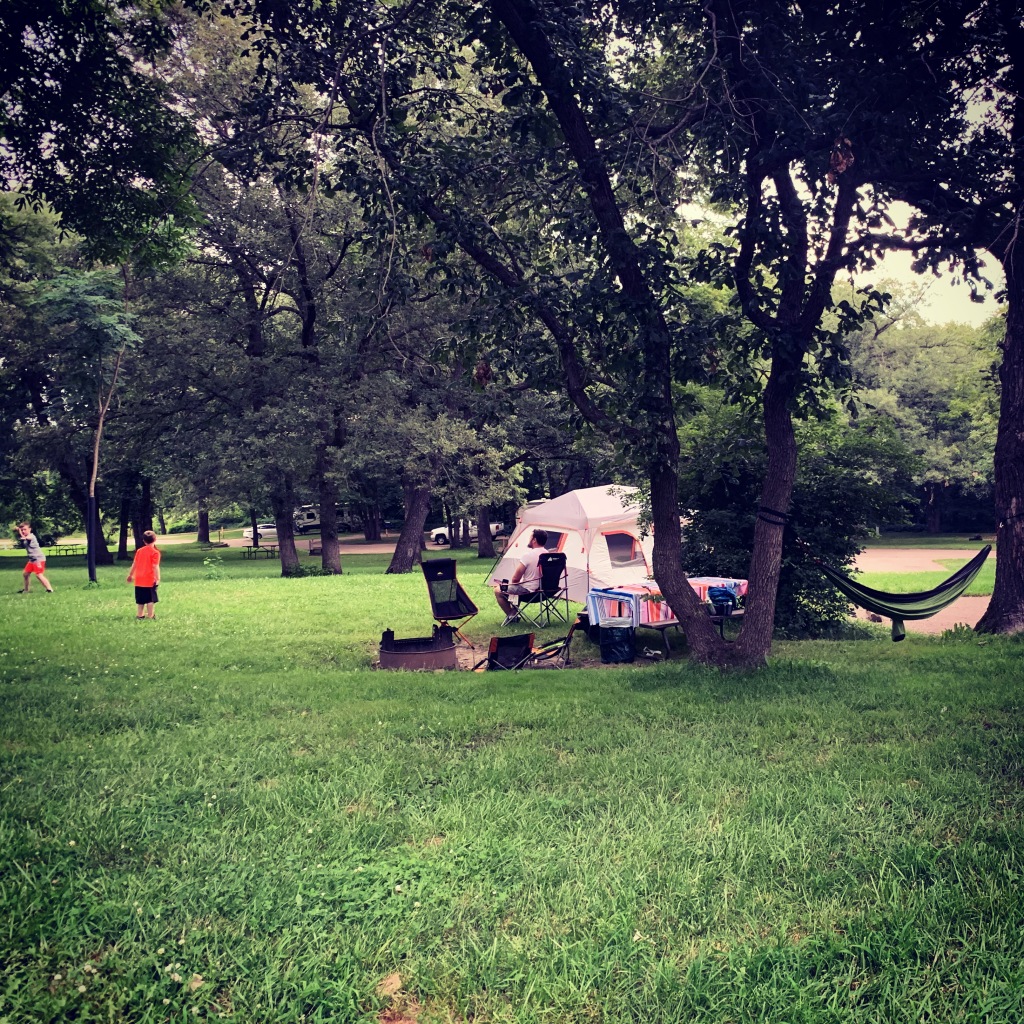
This state park, located between Omaha and Lincoln, is THE PLACE for family fun in Nebraska! It reminds me of a resort like Smugglers Notch in Vermont because they have something for everyone in the family to enjoy. The entire park is a big loop, with a paved biking and walking path that is separate from the road. For accommodations, there are two campgrounds, a lodge with a restaurant, and 57 cabins. We stayed in the Little Creek Campground (site #48), which had a playground, basketball courts, an athletic field, and a big open lawn adjacent to the campsite where the boys could run and play.

This park has so many activities, that with only two nights there was no way to do everything. Here’s how we spent our time:

Family Aquatic Center

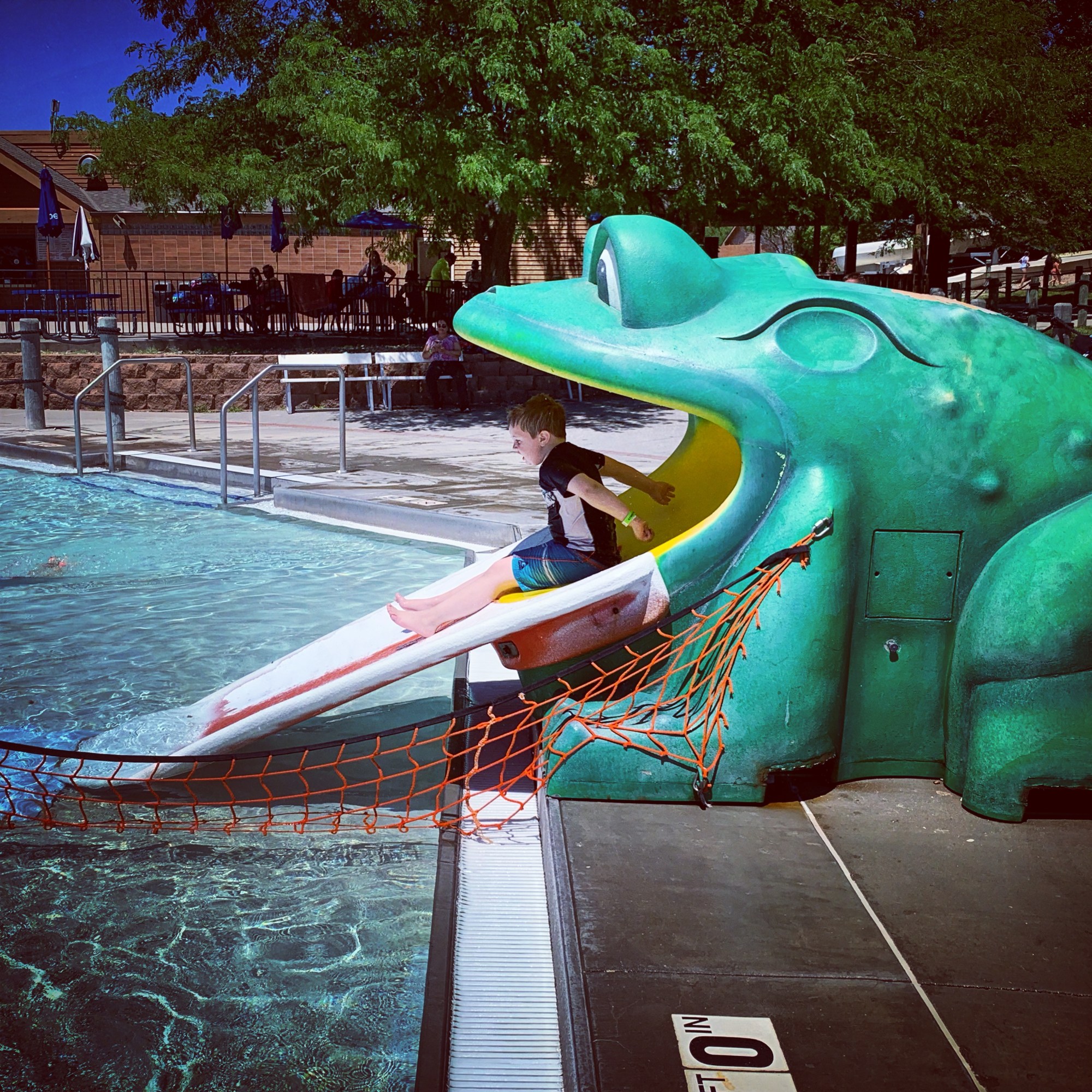
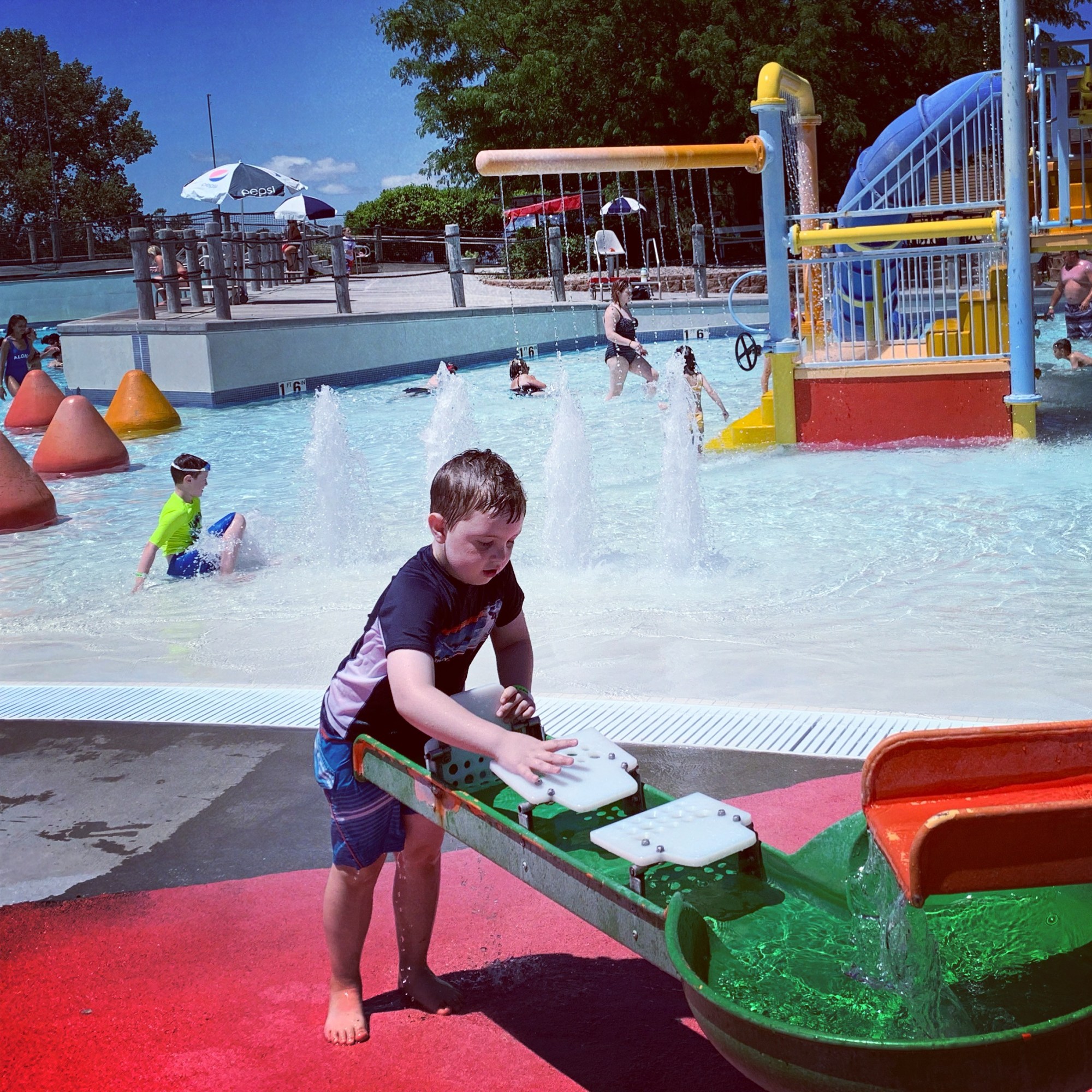
We’ve been to a few state parks with pools, but Eugene T. Mahoney State Park has an entire mini water park! There’s a wave pool, three water slides for older kids, and a water playground for the little ones. For only $10 for adults and $8 for kids, this place was a steal. Our family had hours of fun! Liam is the timid one, but he tried both the big water slides and ended up loving them. It was fun watching Jack and Liam slide down, get off and run right back up to go again. There’s also plenty of lounge chairs and space for families to spread out. A great way to spend a hot Nebraska afternoon!

Go Apes Ropes Course

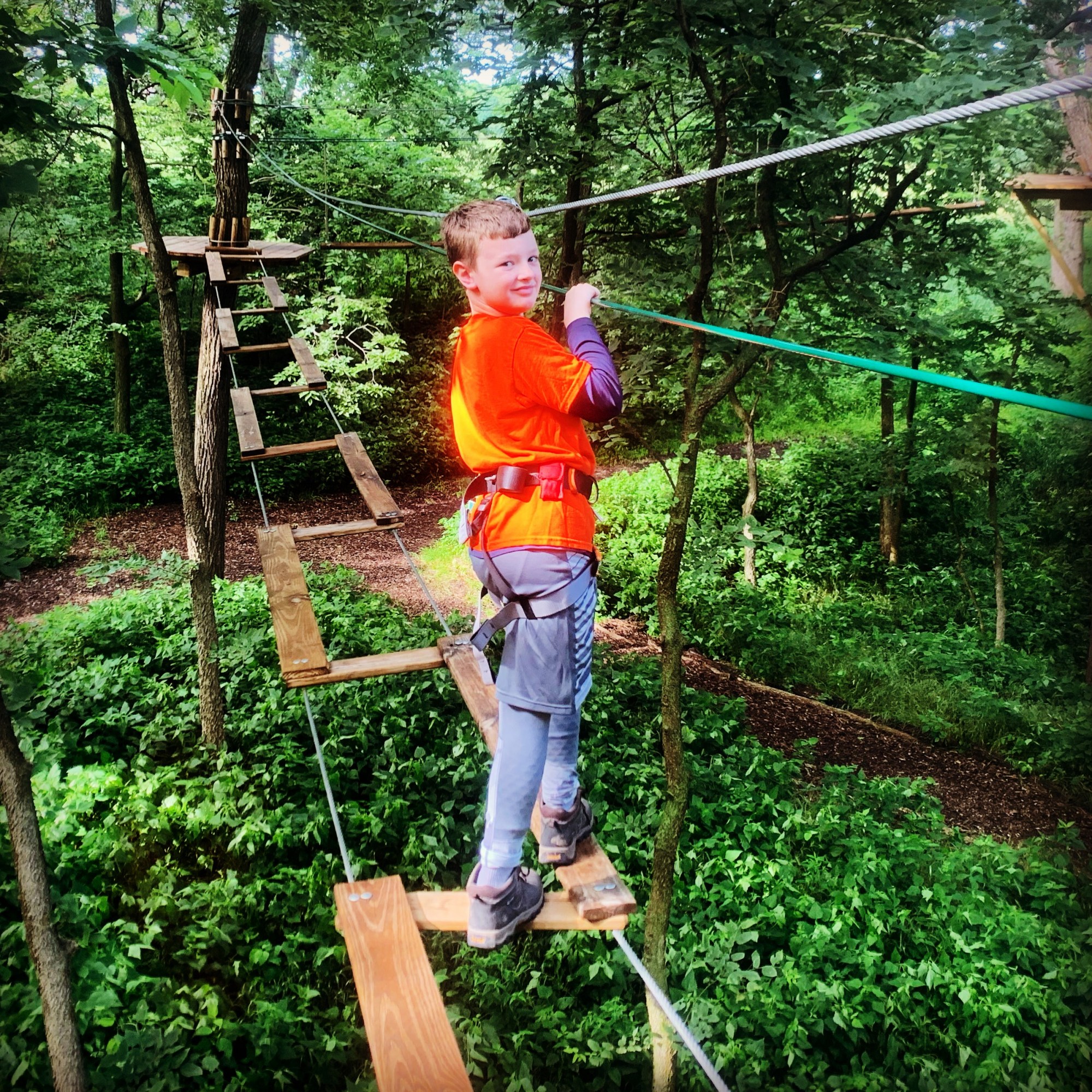
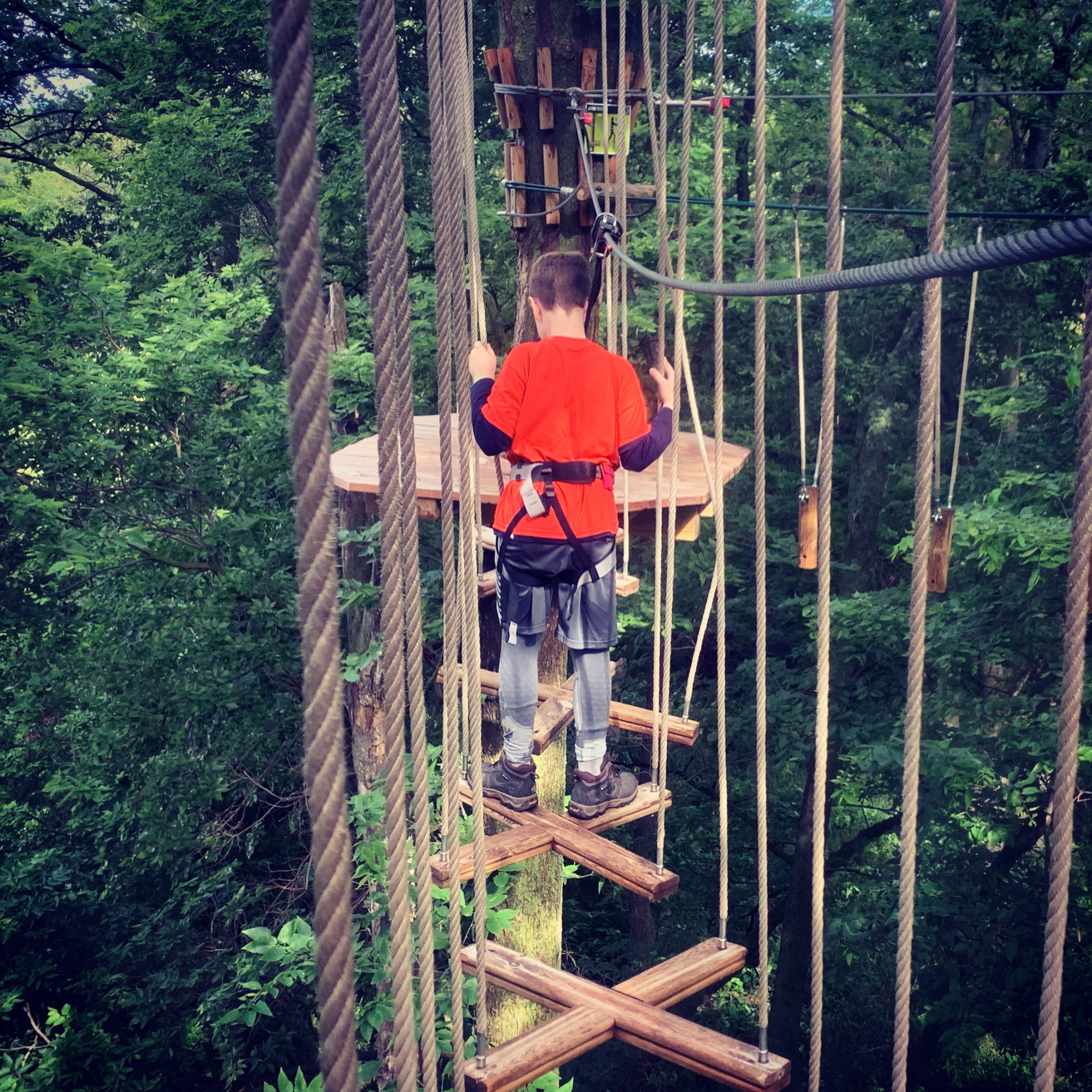
Jack is my daredevil, and he’s always looking for new ways to get an adrenaline rush. When I saw that Eugene Mahoney State Park had an adventure course up in the trees with obstacles and ziplines, I knew we had to try it! We booked first thing in the morning to avoid the crowds, and it was perfect. The sun was shining, the bugs were biting, and my boy and I worked our way through a fairly challenging ropes course. The ziplines were the highlight! I have a sneaking suspicion that this won’t be the last adventure course that Jack drags me to. Lucky for him, I don’t mind!

Jack’s first zipline

The Marina

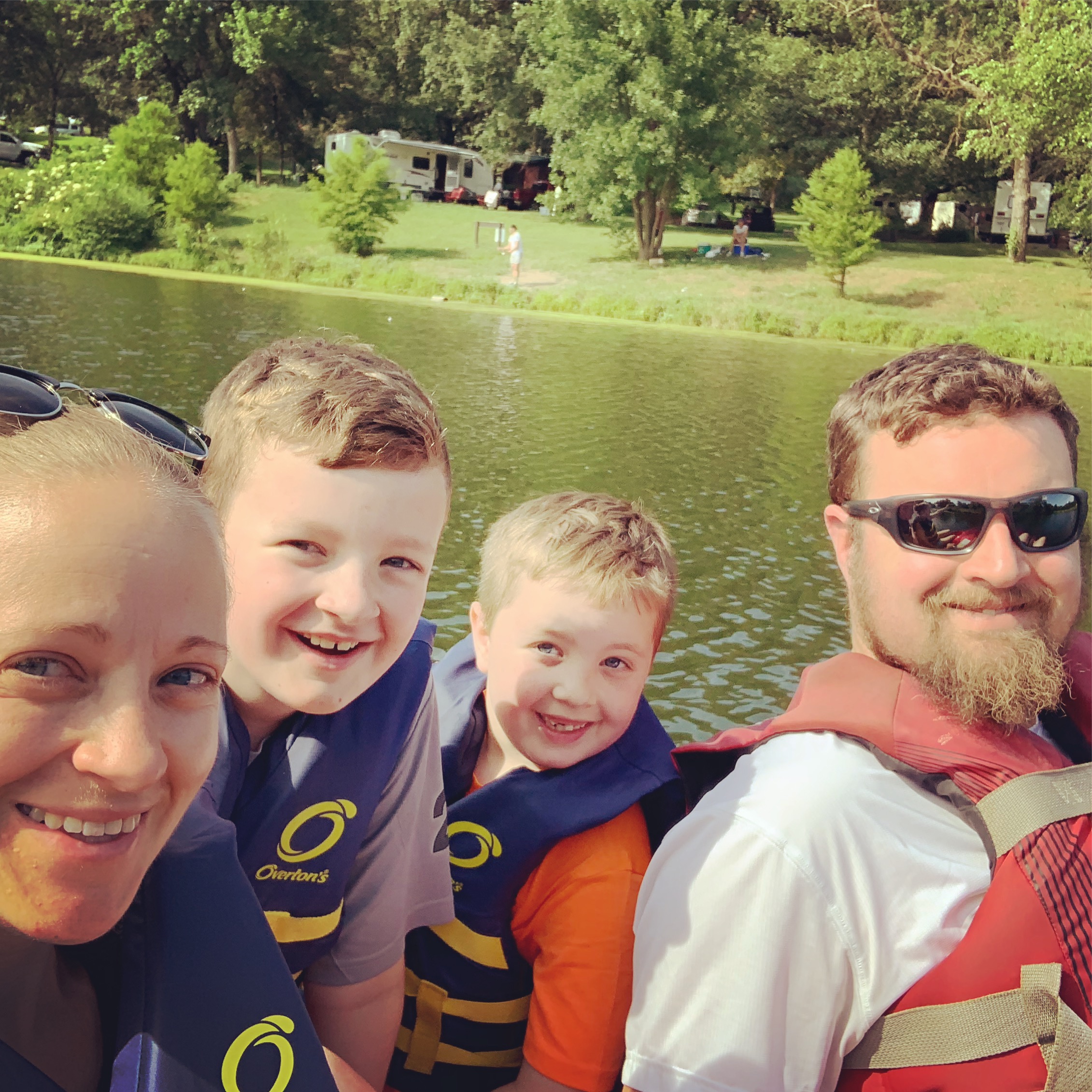
It’s not my favorite way to spend an hour, but the boys couldn’t resist the shiny, sparkly paddle boats at the marina. Luckily the lake (actually more of a pond) was small so the boys could paddle themselves. The marina also has a small store with an ice cream and snack shop, along with an arts and crafts center where kids of all ages can paint ceramics or stamp leather. We also saw families fishing off of the bridge here. As I mentioned before, there’s something for everyone here!

Thank you Nebraska!

Eugene Mahoney State Park was a great stop over for us on the way further west. I can easily imagine spending an entire week here with the family and not running out of things to do. We didn’t have time to check out the rock climbing wall in the indoor recreation center, see a show at the theater, ride bikes along the path, or book a trail ride from the stables. This leaves us with plenty of reasons to come back!
Maquoketa Caves State Park

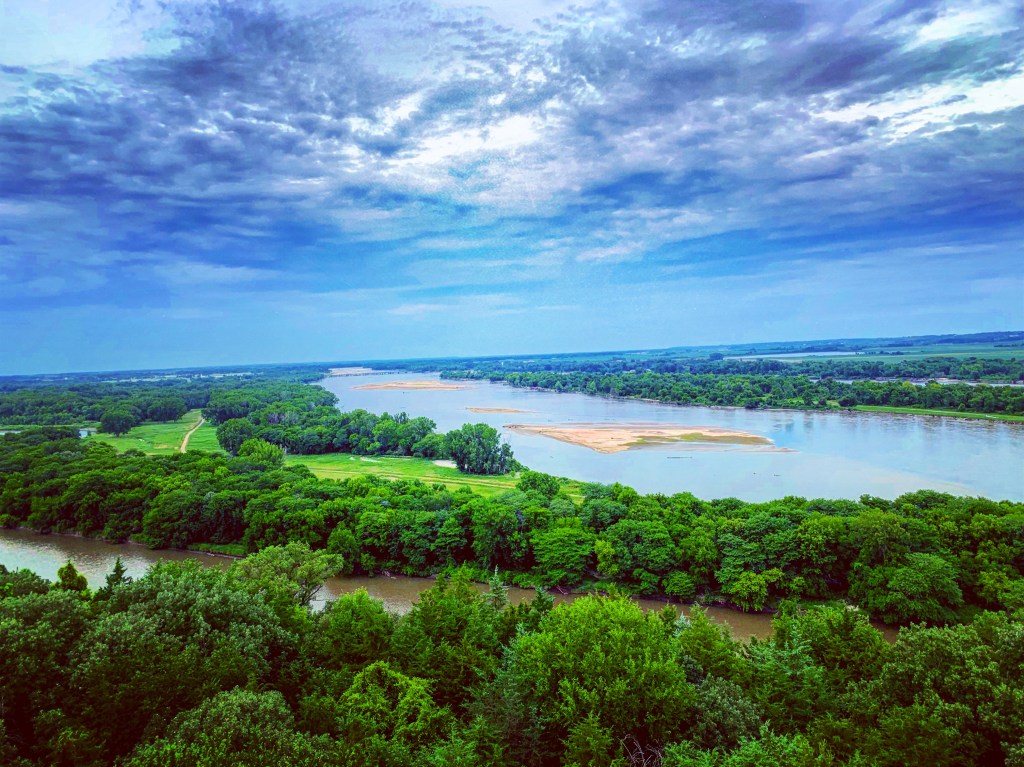
We’re on a quest to eventually visit all 50 states.  Many states have world famous attractions, cities with lots to see and do, or national parks that we’ve been dying to visit.  Other states, not so much.  That’s the case with Iowa.  We decided to break up the drive out west by stopping in a few of the states we’ve never visited, and this includes the Hawkeye State.

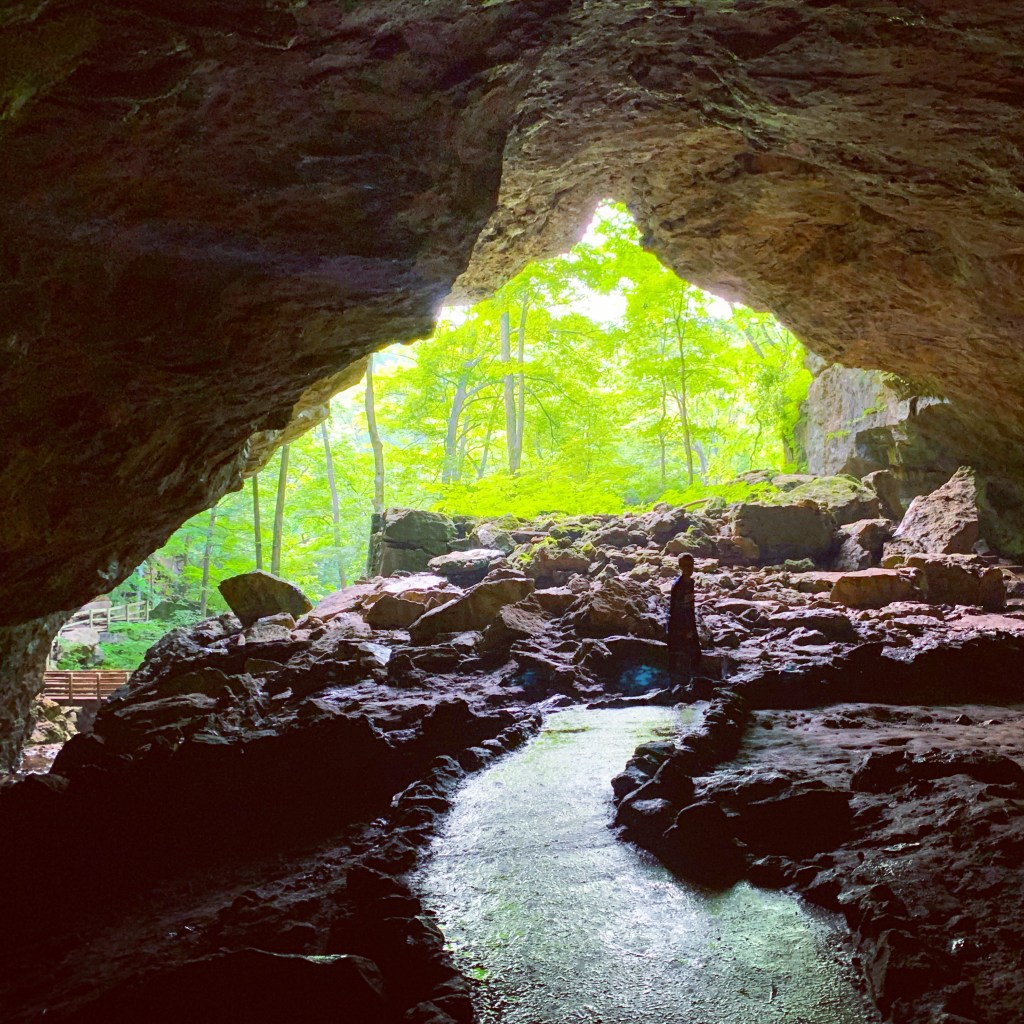
We drove straight from Massachusetts to Iowa – 18 glorious hours of bleary-eyed highway driving.  It was a beautiful, sunny day when we arrived at the small campground.  Honestly, I had pretty low expectations for this stop.  I thought Iowa was all farmland (it mostly is), but Maquoketa Caves turned out to be a hidden gem.  Located in eastern Iowa, about 30 minutes north of I-80, this state park contains a system of caves that are open for the public to explore.  Rather than the guided tours that most caves require, Maquoketa Caves allows visitors to enter the caves on their own.  Here are our favorites!

Dancehall Cave

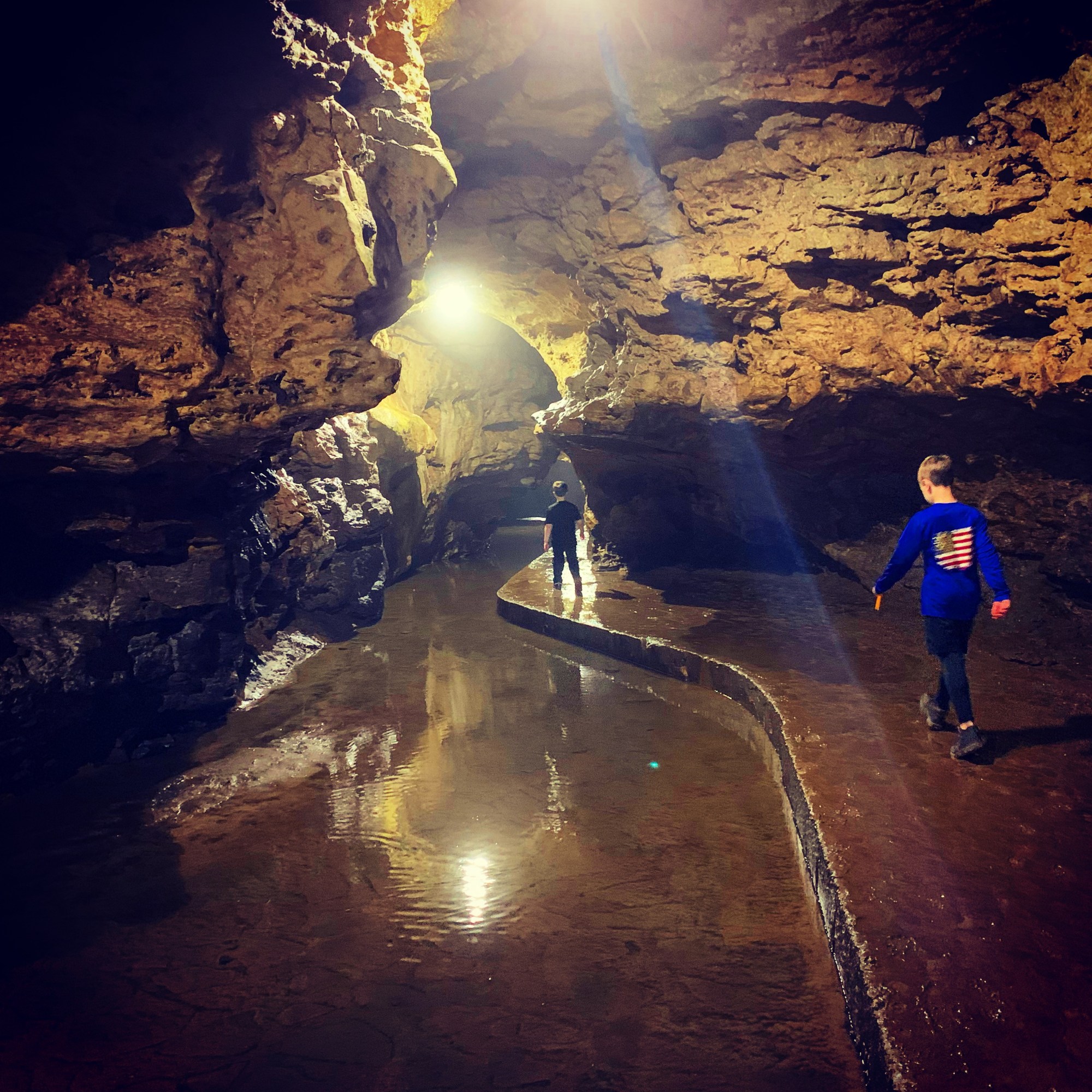
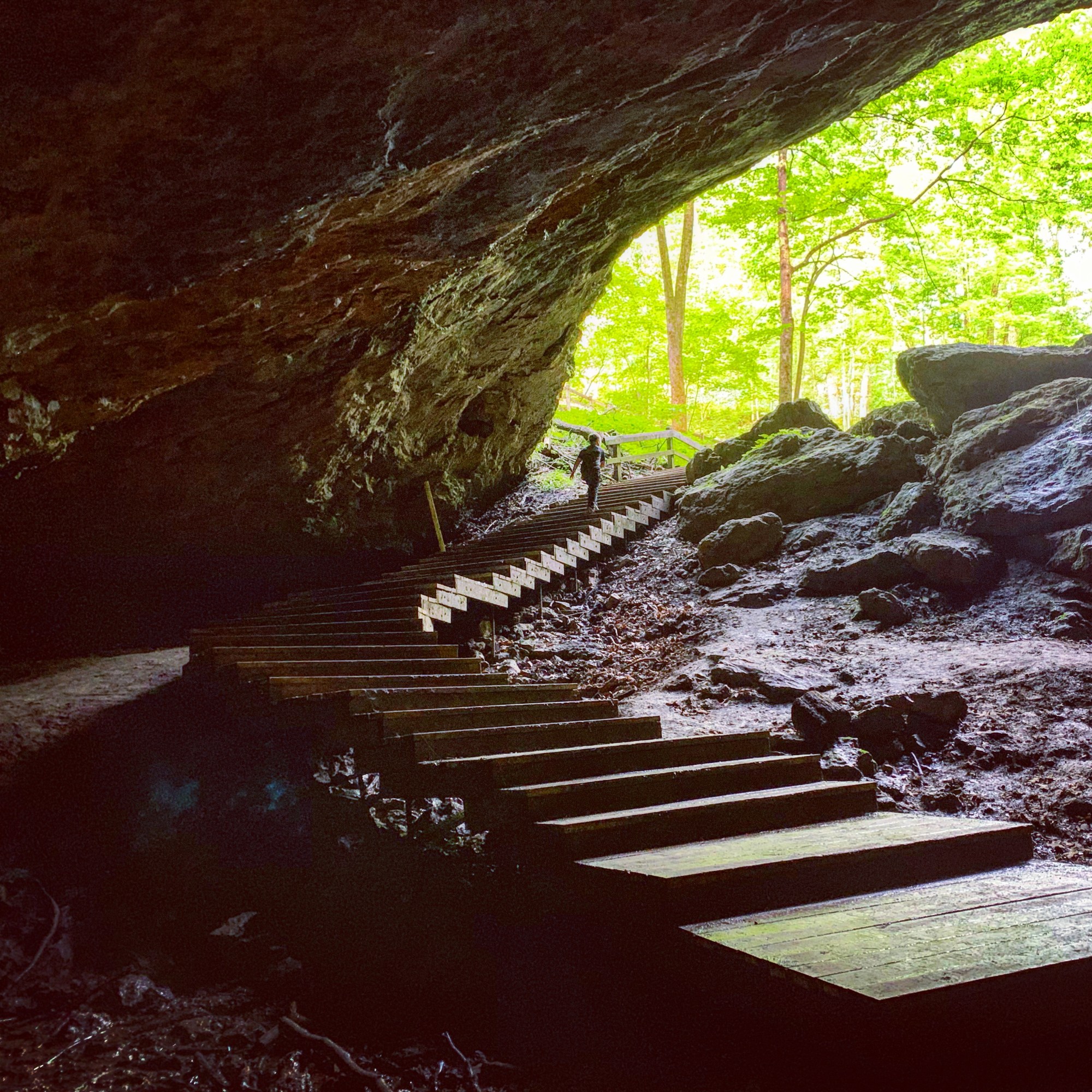
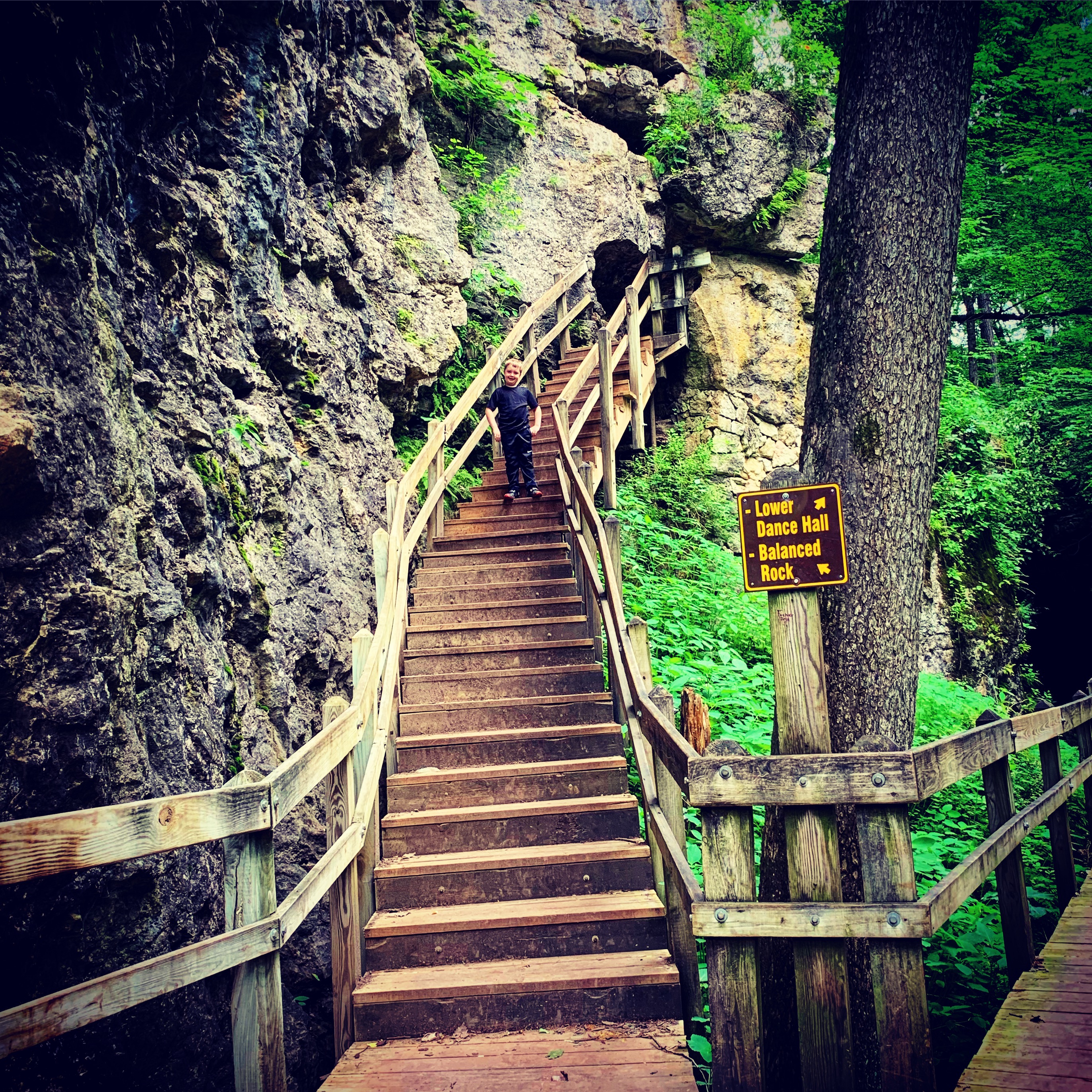
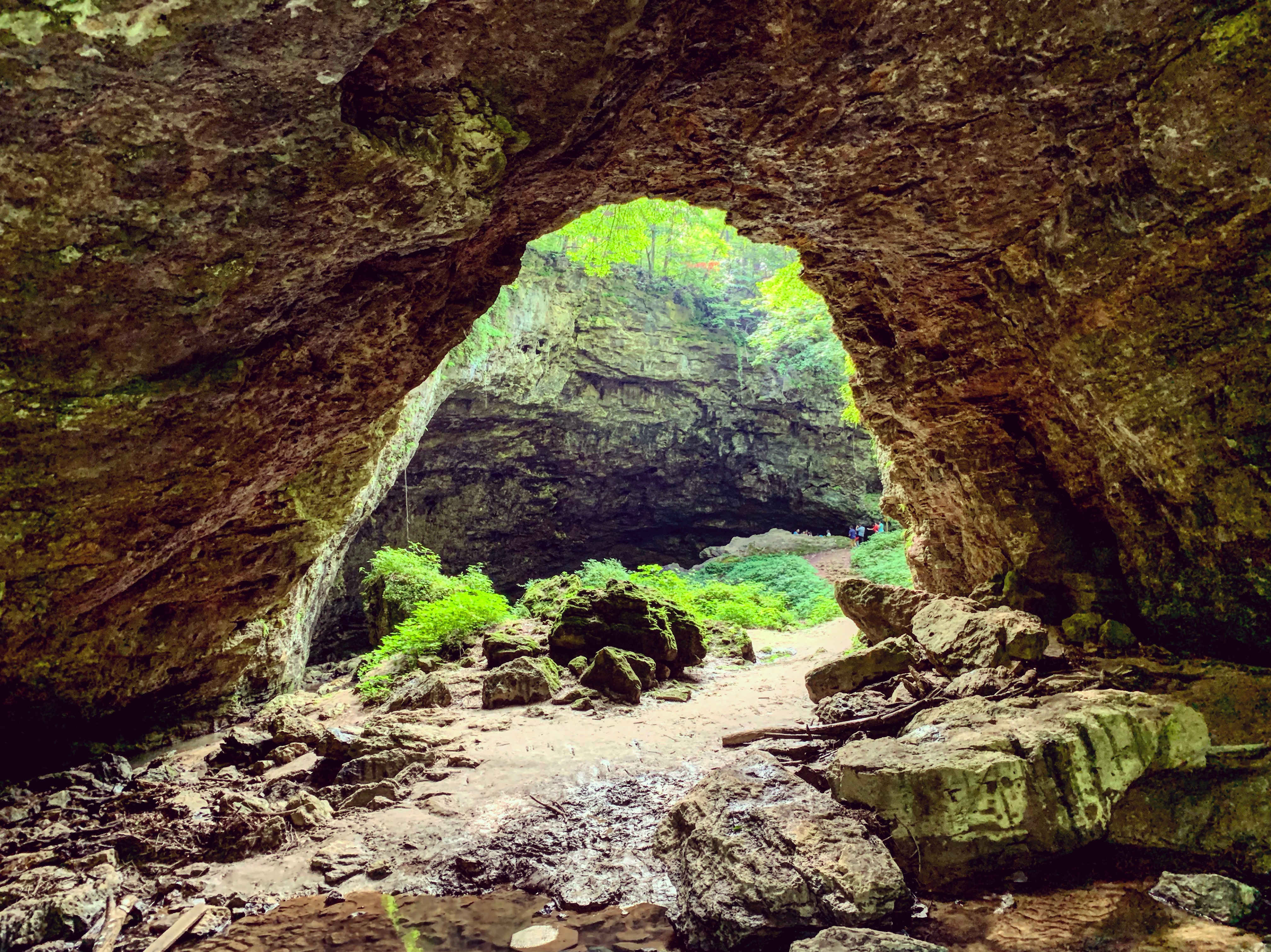
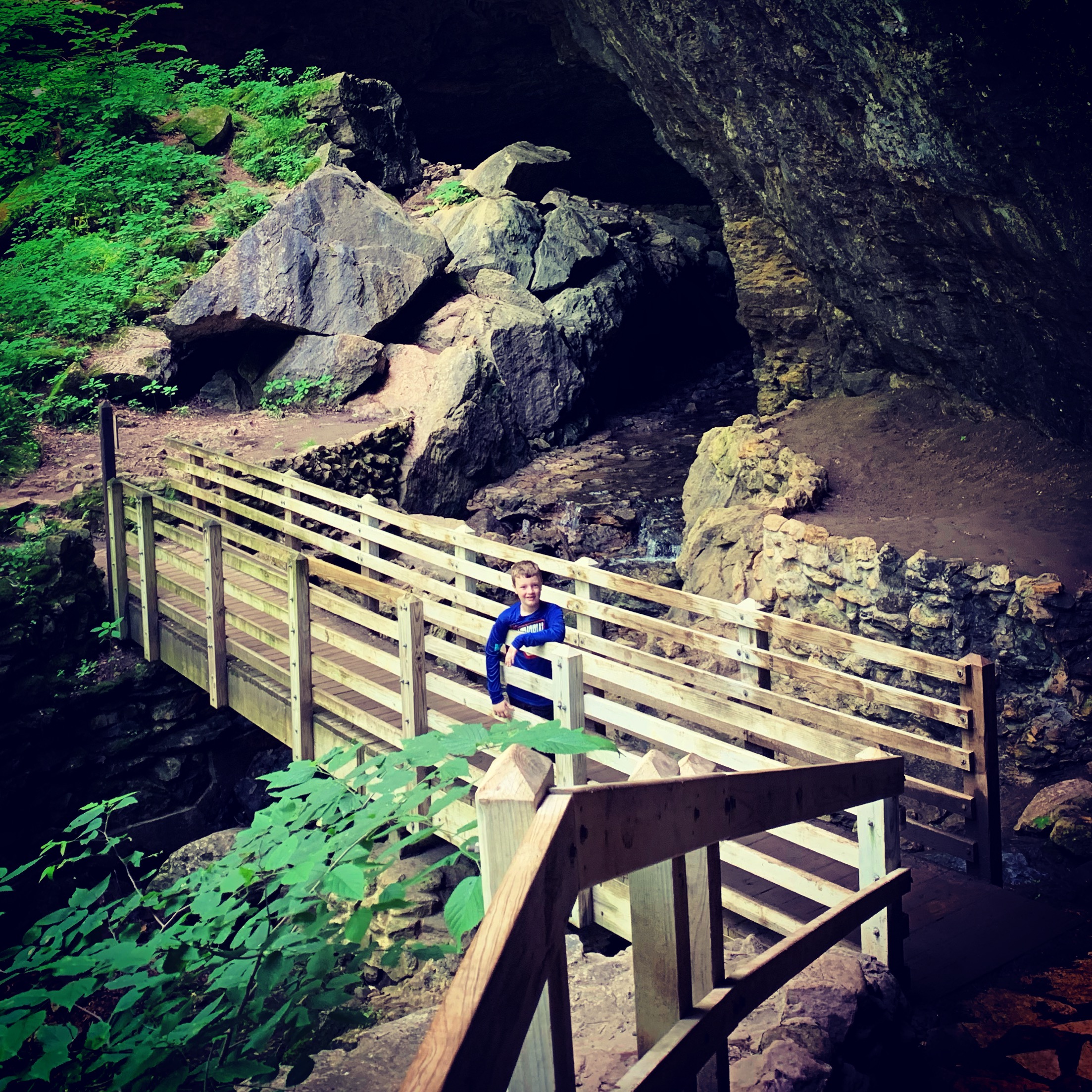
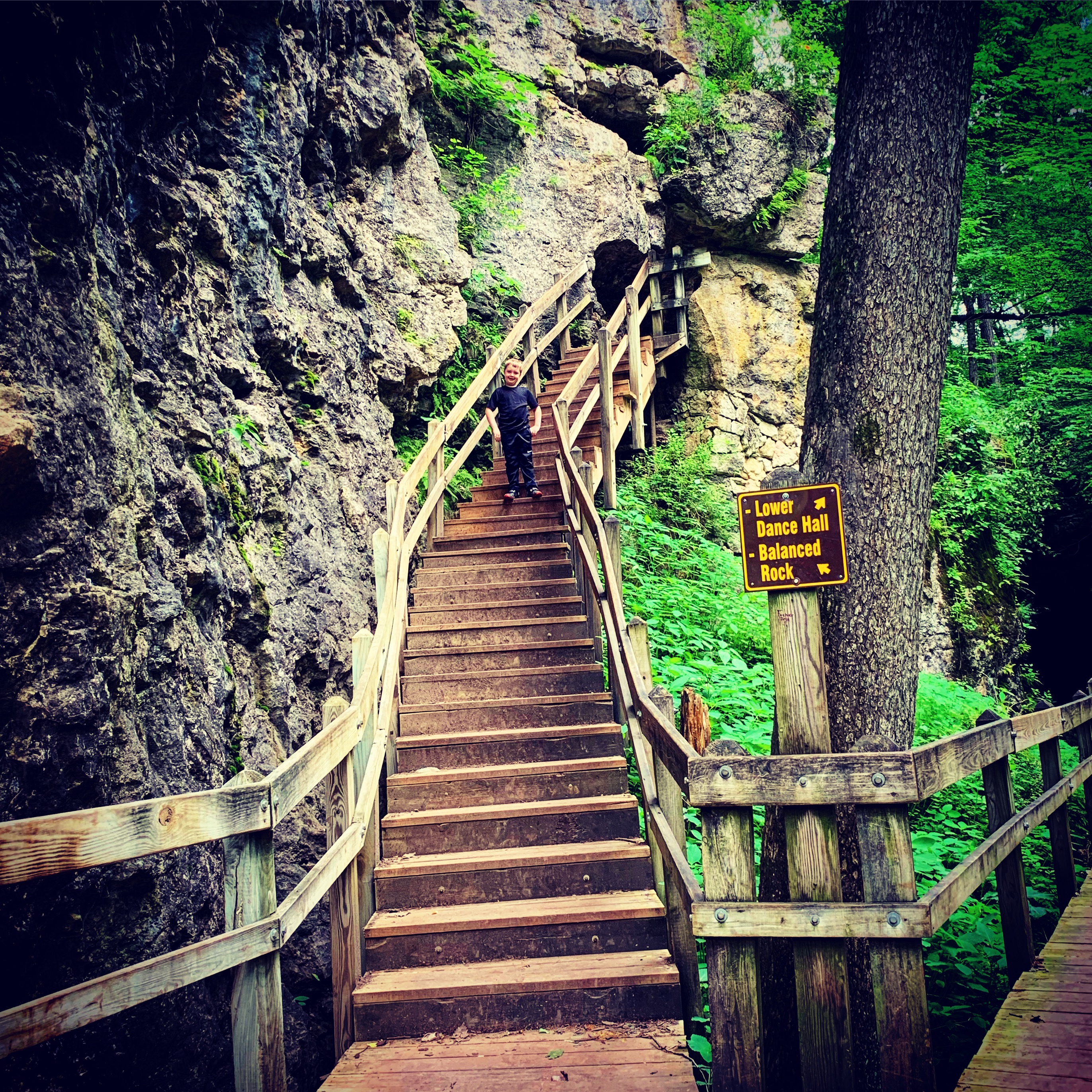
The largest cave in the park is Dancehall Cave. It’s actually divided into Upper, Middle, and Lower Dancehall on the maps and signage. There are stairs leading down from the main path, and you can walk through the 1100 foot cave. There is a stream running through it, and we even saw a turtle! The pathway in the cave was wet but well-lit, and taller members of our group (Ryan) had to duck in some parts to walk through. We spent about 45 minutes exploring Dancehall Cave. It’s definitely a can’t-miss!

Natural Bridge

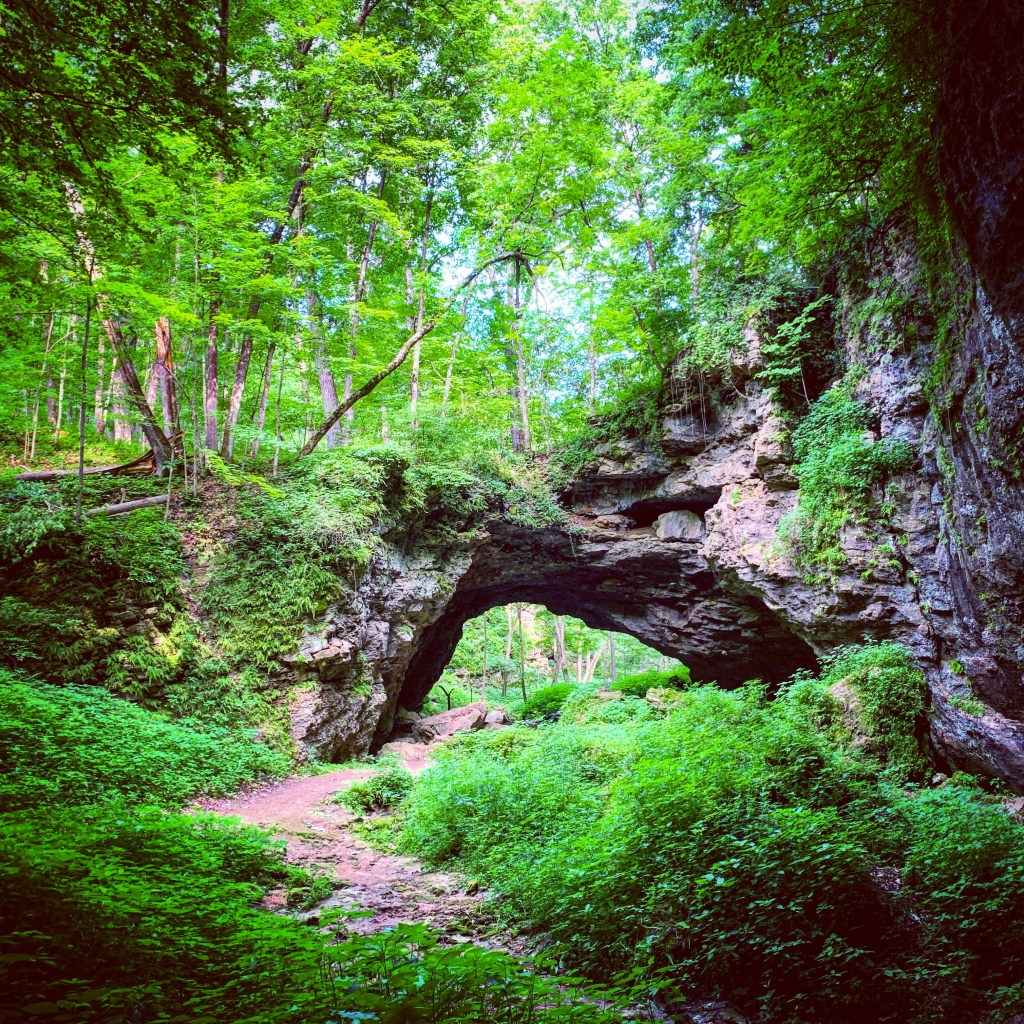
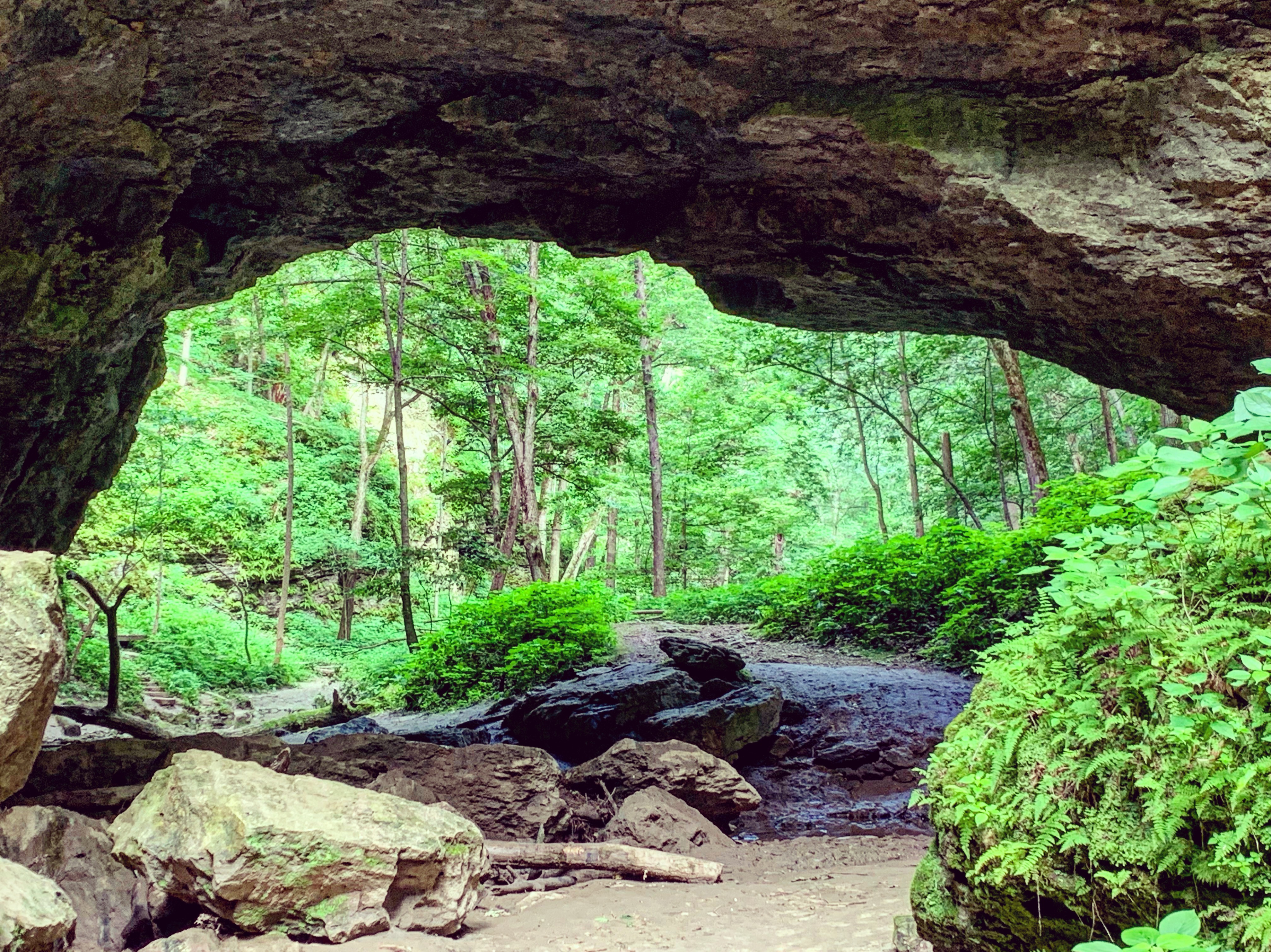
This beauty is exact what the name sounds like – a natural rock bridge. It stands at 50 feet, and Raccoon Creek flows beneath it. This was my favorite spot in the park for photos – peaceful and beautiful with trees all around and stream bubbling through. It’s a popular area in the park, but we went early on a Sunday and had the place mostly to ourselves.

Natural Bridge – my favorite photo of the day

Crawl-Through Caves

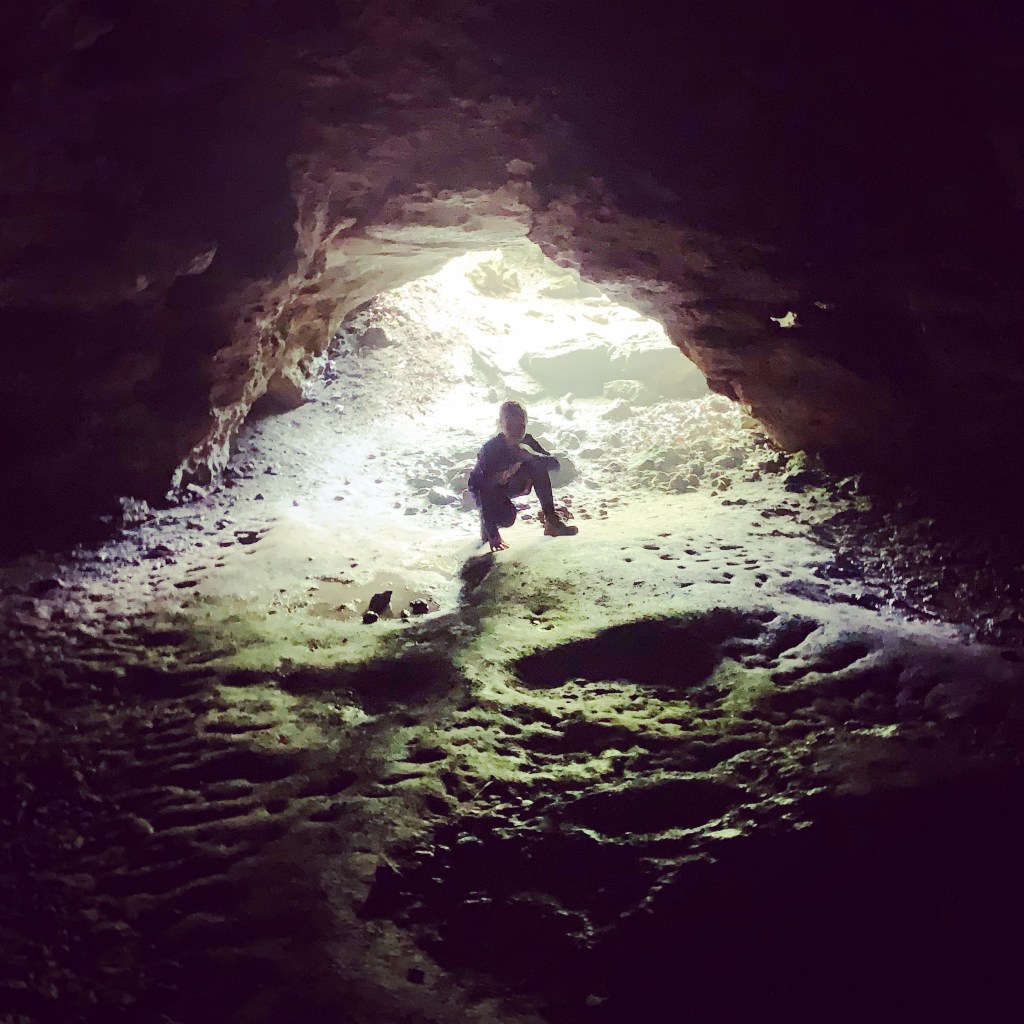
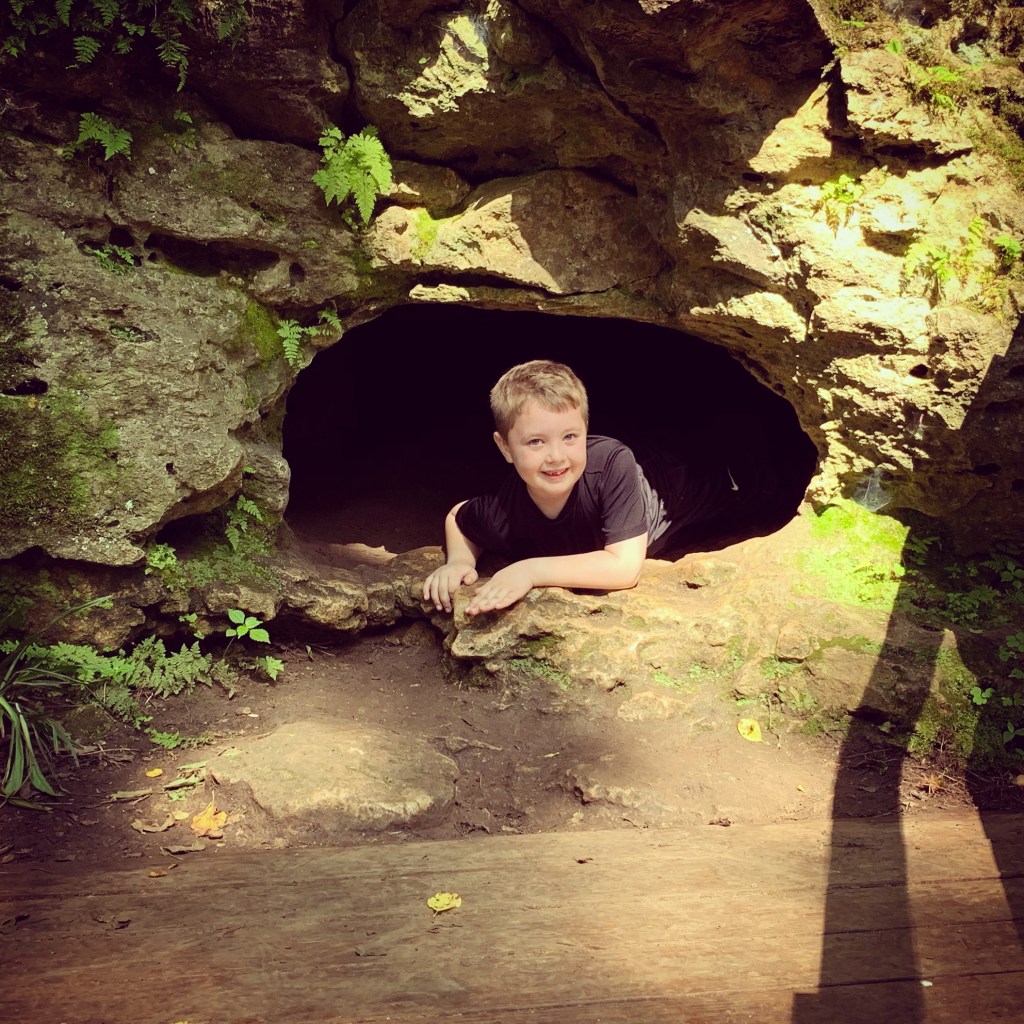
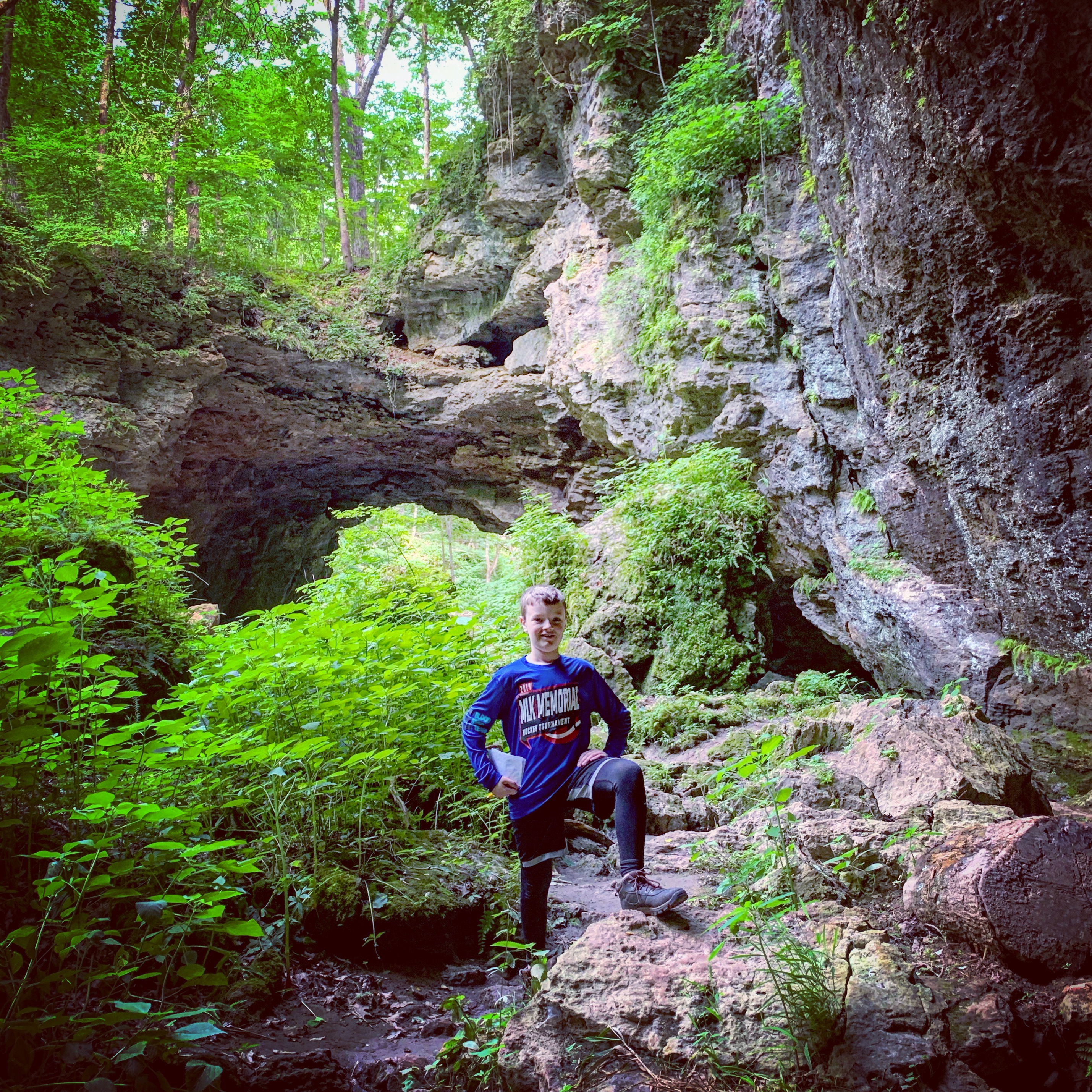
One of the most unique aspects of Maquoketa Caves is that there are several caves that can be explored by crawling. Some of these caves have larger openings that lead into smaller spaces, while others are just a crack in the rock that you can wiggle through and then explore the more open spaces behind it. I’m not the biggest fan of confined spaces, but Jack talked me into crawling into Barbell Cave. It was a muddy experience, making our way through on our hands and knees, but we made it past a tight space to a room with a 4 foot ceiling. Needless to say all 6’5″ of Ryan decided to stay outside for that one! We also went into a few other crawling caves, including Ice Cave and Rainy Day Cave.

I whole-heartedly recommend visiting Maquoketa Caves as a stopover on a trip through the midwest or as a day trip from the area. Almost everything in the park can be explored in one day, and there isn’t much else to do in the area so I wouldn’t travel too far out of my way to visit. That being said, it was a great way to cross Iowa off our list while creating some awesome family memories!

Glacier National Park

img_3782

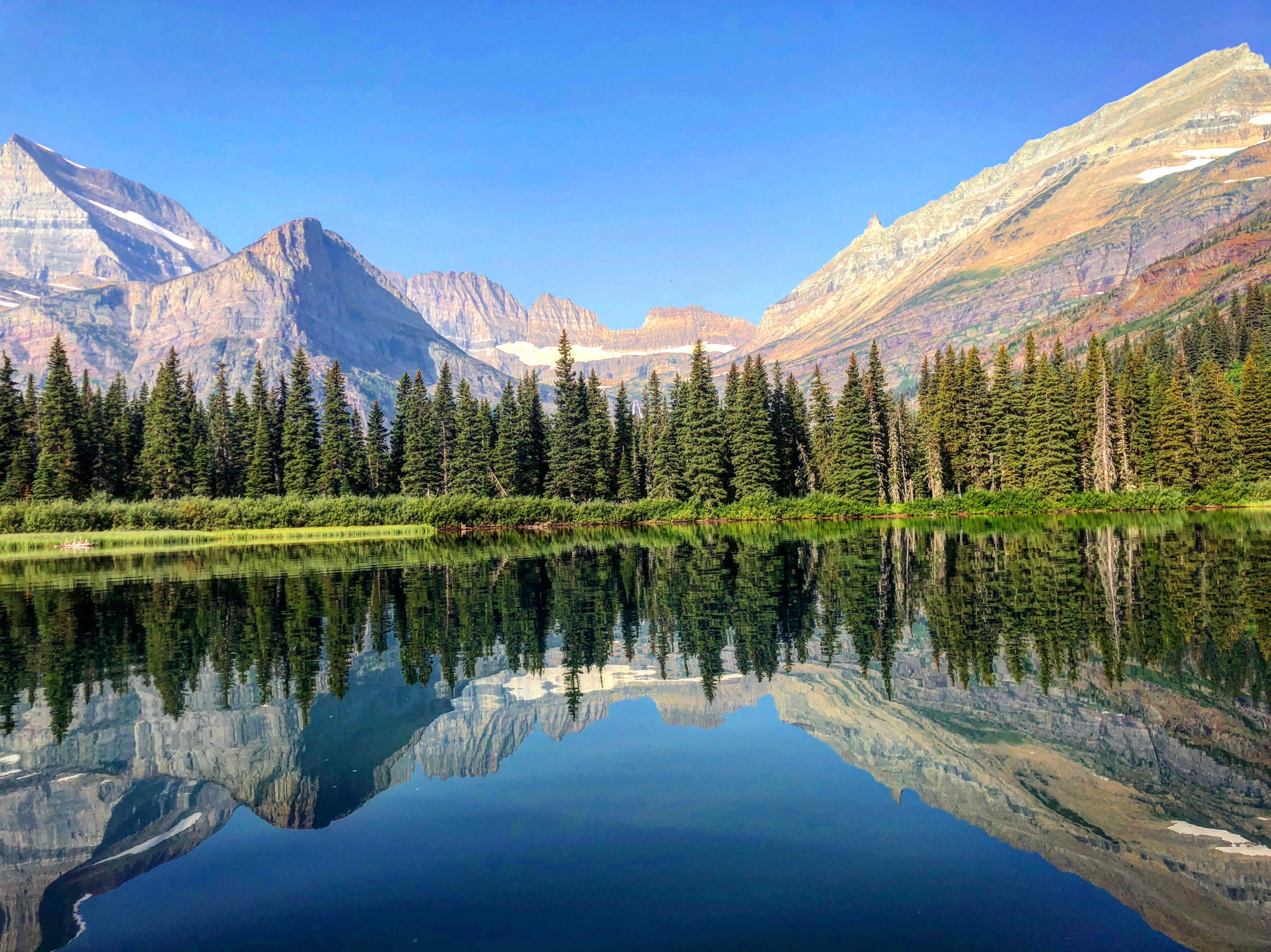
View from the boat ride across Lake Josephine

As we planned this trip, I did plenty of research to decide which places we would visit.  I ordered a book about national parks, visited countless websites, and read online reviews.  Glacier National Park came up repeatedly as one of the most beautiful places in the country.  We debated whether or not we should add the six hour drive to make the trip from Yellowstone to northern Montana so we could explore Glacier National Park, and we finally decided that it would be worth the extra milage.  And I’m SO GLAD that we did!  This is how we spent our time.

Going to the Sun Road

img_3596

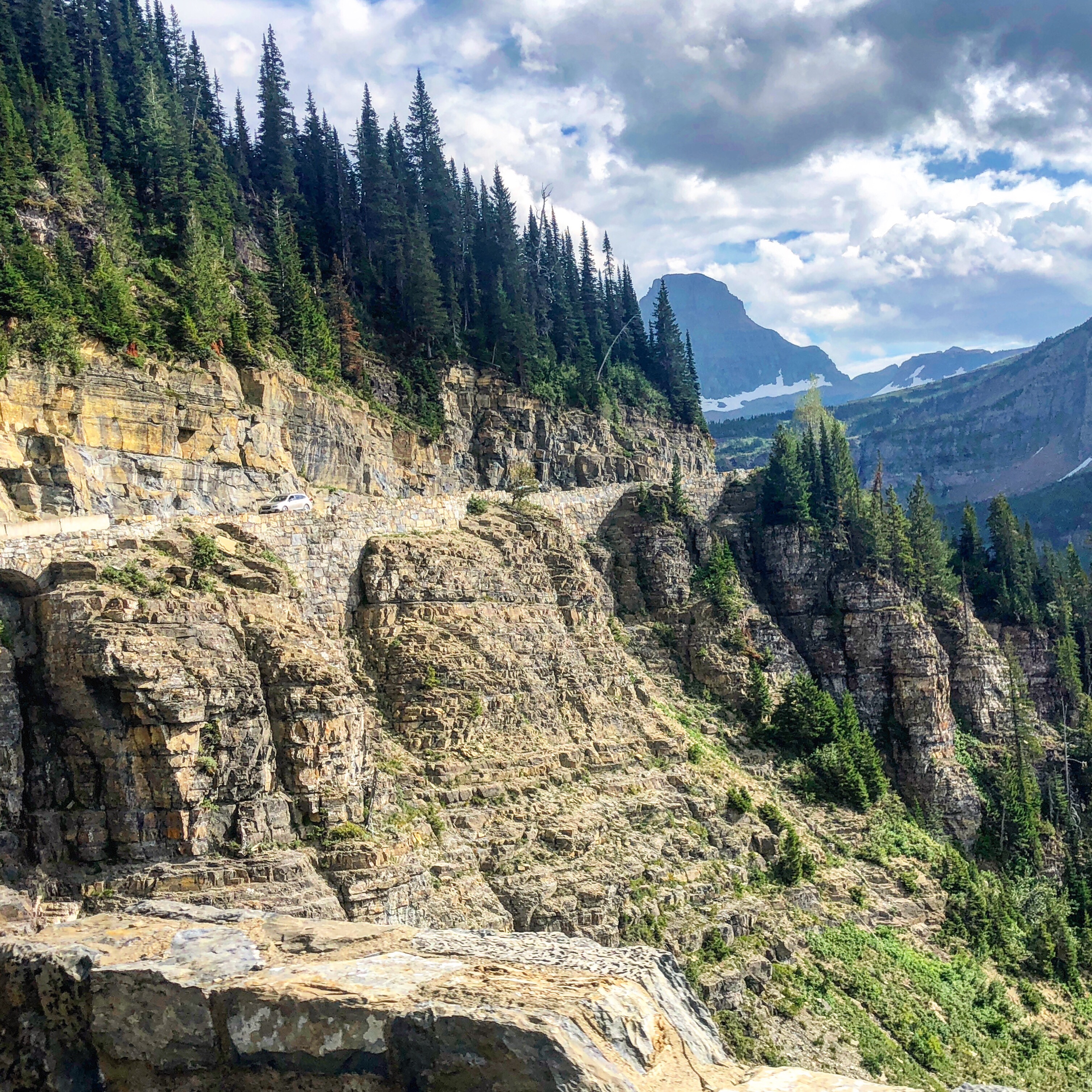
A section of Going to the Sun Road

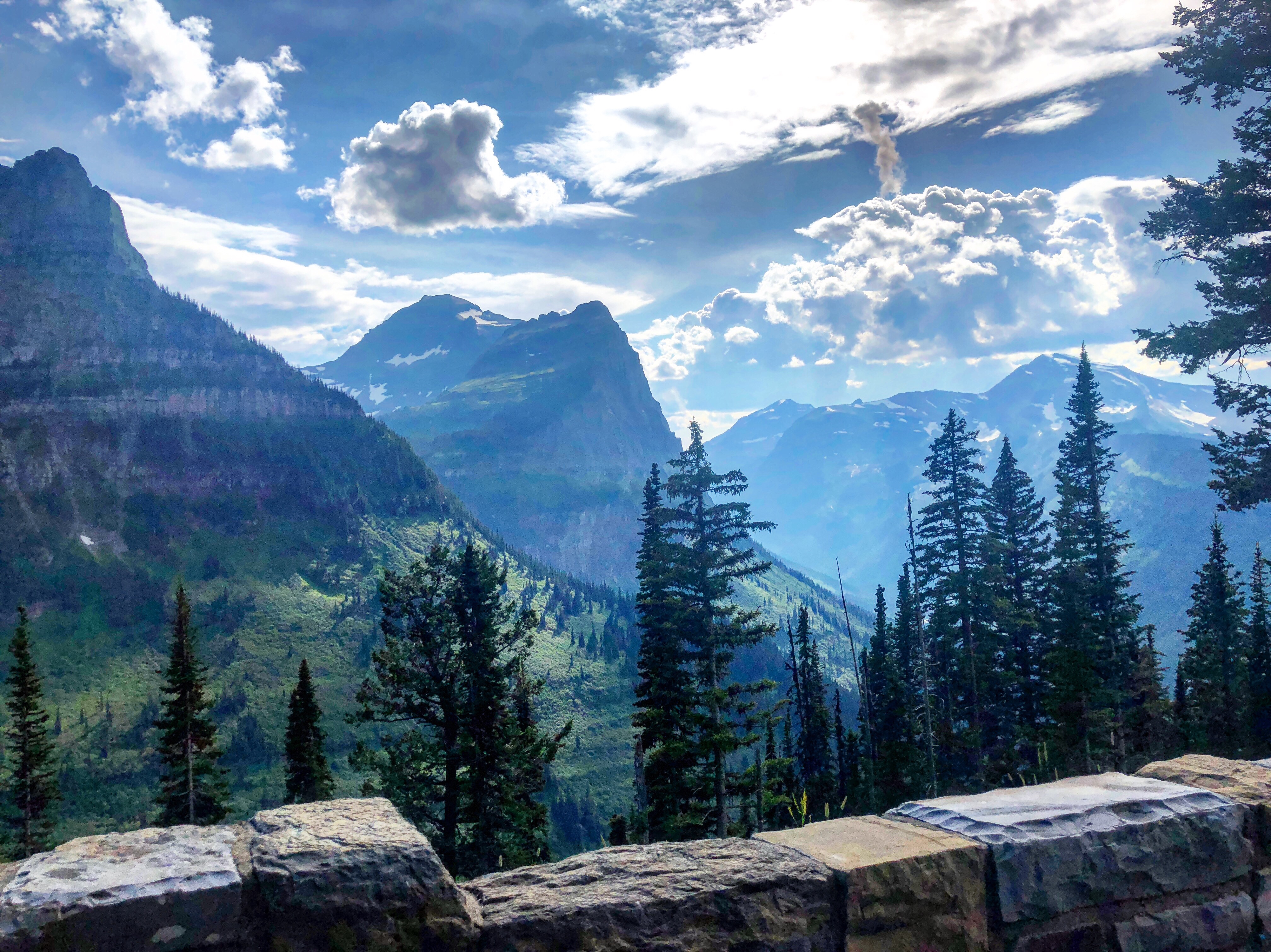
You can’t visit Glacier without a drive on the beautiful, winding, 50 mile Going to the Sun Road that connects the eastern and western part of the park.  It crosses the Continental Divide at Logan Pass, at an altitude of 6,646 feet, and there are dozens of scenic turnouts and trail heads along the way.  As we drove we saw glacial lakes, cedar forests, alpine tundra, and breathtaking vistas.  Many of the parking areas fill up very early (as we discovered at 8:15 at Logan Pass one morning), but a free shuttle is available that runs continuously throughout the day.  However you travel it, GTTSR cannot be missed!

Hidden Lake Overlook Trail

img_3601

Hidden Lake Overlook Trail

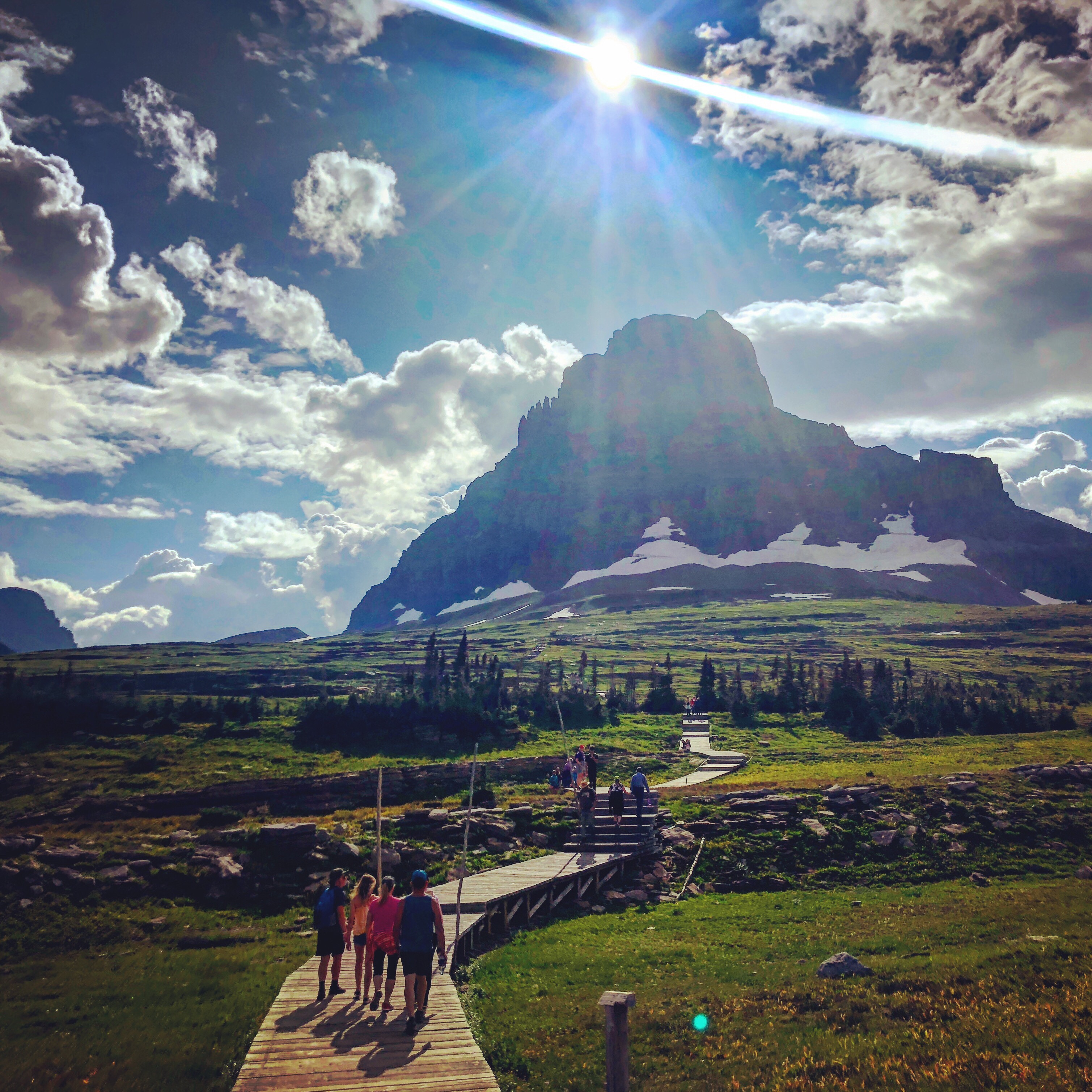
This hike is one of the most popular trails at Glacier, and for good reason.  Its just under three miles round-trip, and the views along the entire path are amazing.  The hike starts at Logan Pass with a paved trail, and then transitions into a wooden boardwalk with quite a few steps.  As we passed through the alpine meadows, with the mountains
looming above us, we saw small streams of glacial run-off.  There were wildflowers, pika, and weasels along the way.  There were even mountain goats!  Once the boardwalk ended and the trail became a dirt path, we could look down to see the valley below, and Hidden Lake came into view.  Such a beautiful way to spend a late afternoon in Glacier National Park.


Hike to Grinnell Glacier

img_3787
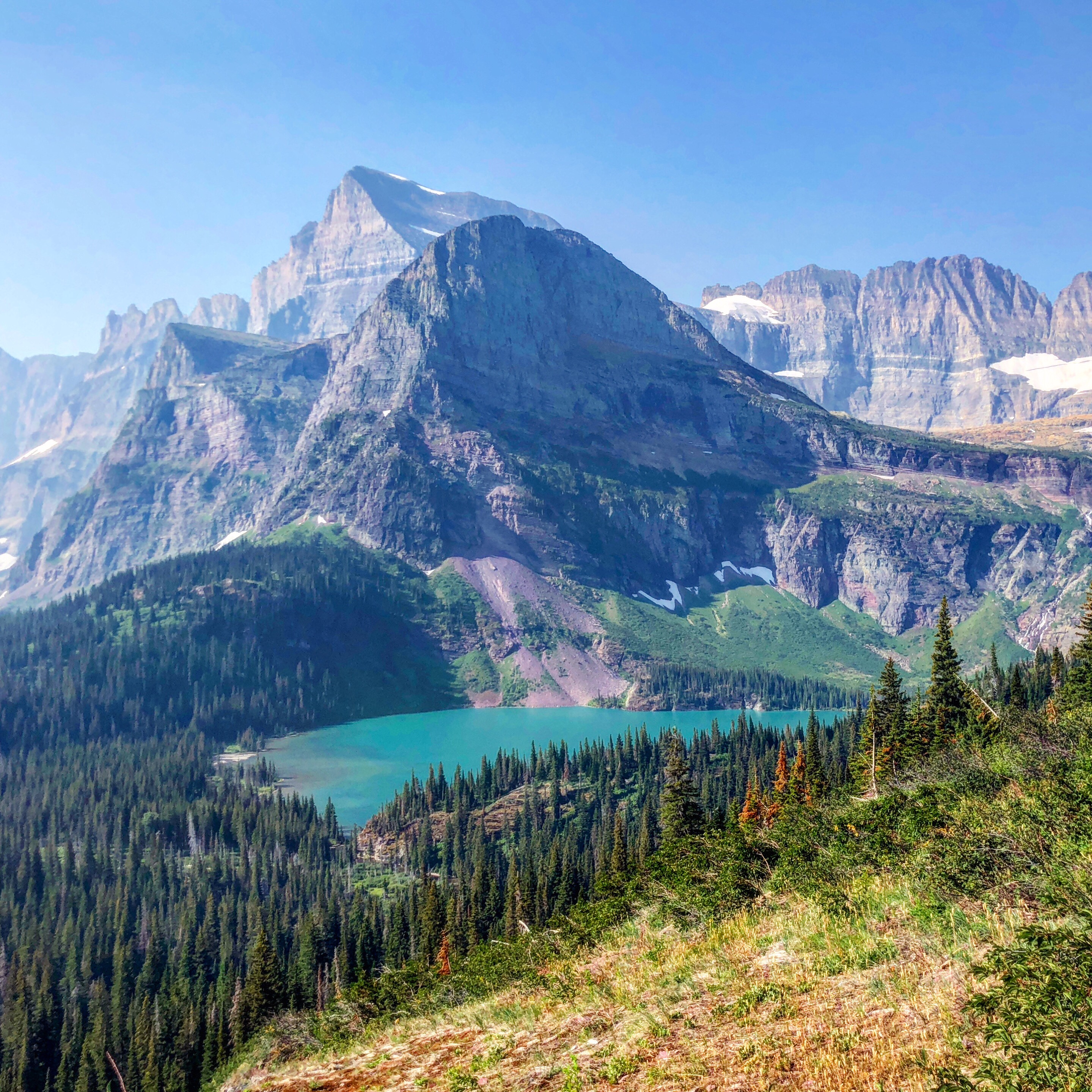
View of glacial lake from the trail

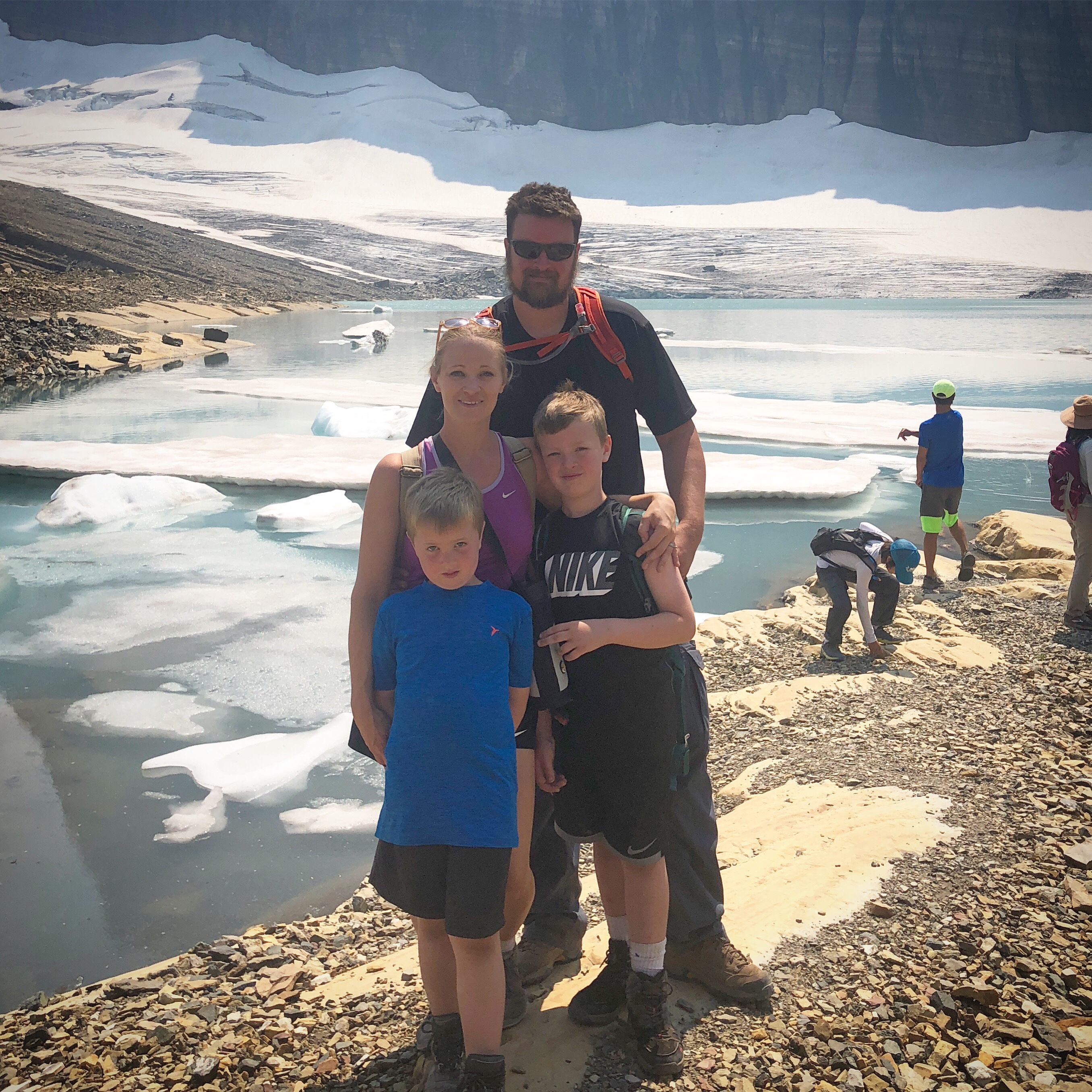
From the time that we added Glacier National Park to our summer road trip itinerary, I knew that I had to get up close to a glacier.  The most highly recommended way to do that is to hike the Grinnell Glacier trail.  This actually takes quite a bit of planning.  First off, the trailhead is located in Many Glacier, one of the more remote areas of the park.  In Many Glacier there is a lodge, a motel with cabins, and one of the most sought-after campgrounds in the entire country: Many Glacier Campground.  There are 103 campsites in Many Glacier Campground, with 41 available for advance reservations.  The sites are available six months before the arrival date, and are gone the minute they become available.  I was pretty bummed that we didn’t get a site initially, but I kept checking the website for cancellations and got lucky.  We reserved our site and were one step closer to seeing a glacier.

img_3810

The next step was to secure the boat ride. The trail to Grinnell Glacier is over 11 miles long, but you can cut about three and a half miles from that by reserving a boat ride across Swiftcurrent Lake and Lake Josephine.  There are a limited number of tickets, so its important to reserve as early as possible.  We bought boat tickets that included a ranger-led hike, which helped ease some of our fears about bears since this would ensure that we were part of a group.

img_3673

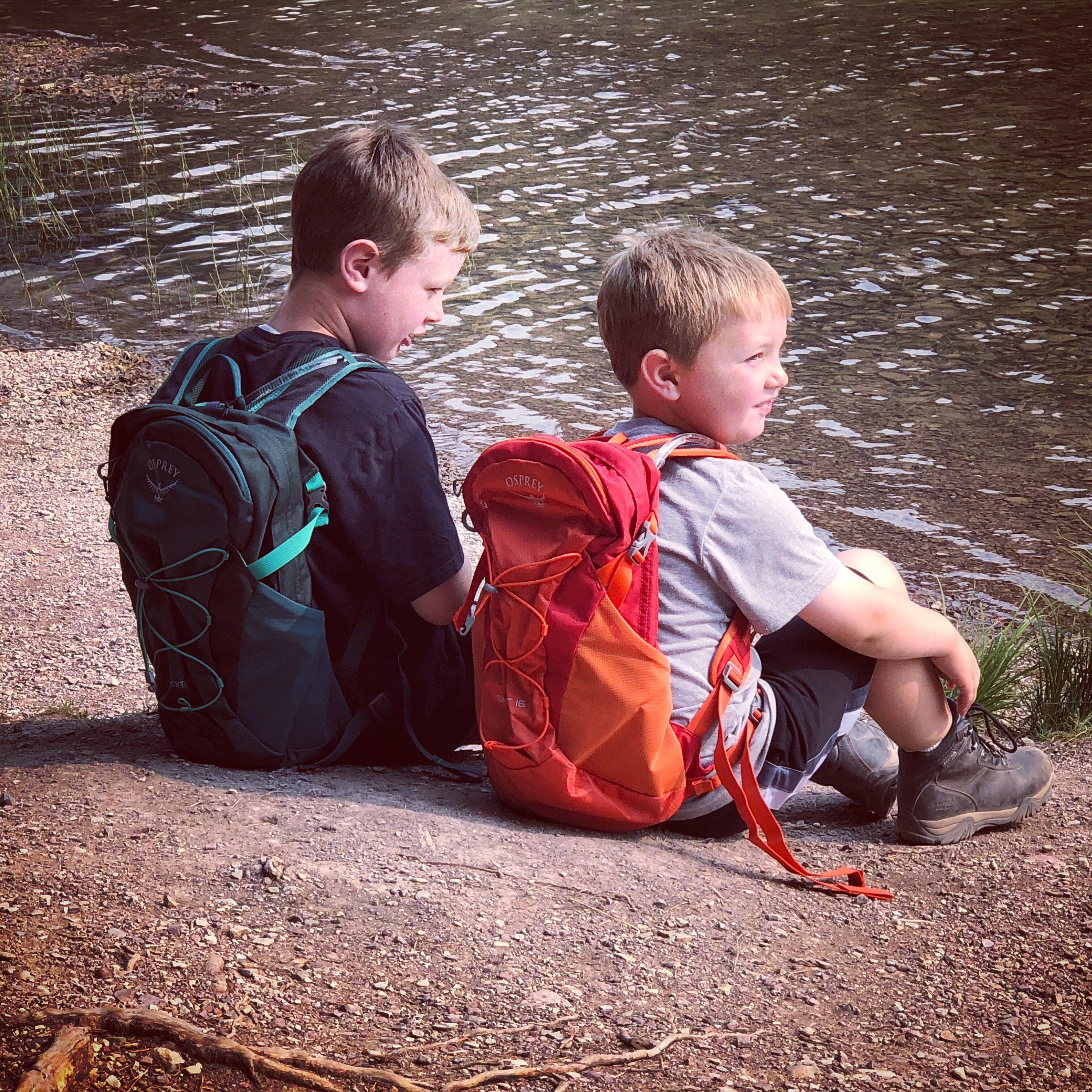
Jack and Liam trying out their packs before the big hike

The last think we needed to worry about was Liam. He’s only five years old, and and eight mile, steep hike is definitely a challenge for him.  I knew he could physically do it, but I was worried that it wouldn’t be enjoyable for any of us.  But Ryan and I really, really wanted to experience the hike and seeing the glacier, so we decided to go for it.

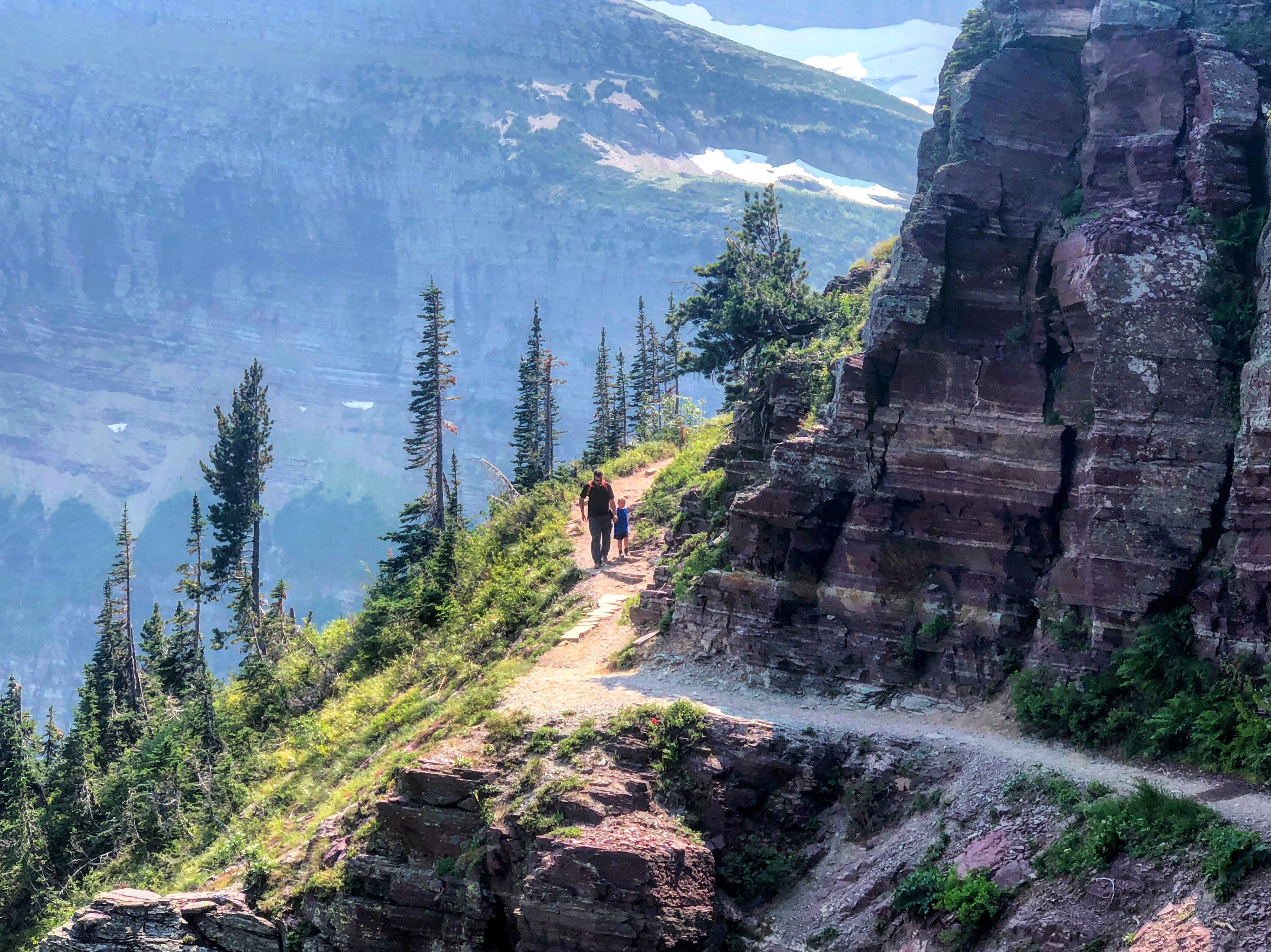
The hike started out steep, but as with everything in Glacier National Park, it was absolutely gorgeous.  As we climbed in altitude, we could see the glacial lakes below, so blue. There were wildflowers growing along the path, and we climbed steadily for several hours.  The only issue that Liam had was img_3807passing under a waterfall that goes right across the trail.  There’s no way around it, and it was scary to him to have all that cold water falling on him with slippery rocks below his feet and a cliff off to the side.  We made it through, but there were a few minutes of howling after that.  As we continued, the ranger paused several times to point out interesting rocks and plants, and we stopped for lunch with just about a half mile from the glacier.  The final push to the summit was steep and rocky, but once we made it to the top we could look down on the glacier and the lake with icebergs floating

The ranger led us down to the edge of the lake, and the kids were able to feel the cold water.  The walk down was much easier, and both boys were such troopers.  I was so proud of them both.  We ended up logging over 10 miles of walking for the day, but it was so worth it.  It was one of my favorite days of the entire summer.

img_3805

Boat Ride on St. Mary Lake

img_3620

The weather while we were in Glacier National Park was absolutely beautiful.  It was warm and sunny, and cool enough at night to enjoy a fire.  Before leaving the eastern part of the park, we booked a boat tour of Saint Mary Lake.  We had already driven Going to the Sun Road and hiked several trails.  We wanted to experience the beauty of this park from the water.

The guide was young and personable.  She talked about the science and history of the area, pointing out parts of the landscape as we passed.  It was a little tough to get good photos, so I decided to just relax and enjoy the ride.  We stopped at a spot where we could get off the boat and take a very short five minute walk to a pretty impressive waterfall.  While we were there we saw a marmot sunning itself on a rock.  It was a peaceful, relaxing morning, and the boys had blast splashing in the water along the shoreline when we docked.

After spending five days in Glacier I definitely have a new favorite national park!  The scenery, wildlife, and hiking were top notch.  Glacier also has more ranger-led programs and educational opportunities than any other park that we’ve visited.  There’s no cell service in most of the park, making it easier to disconnect and fully embrace the experience.  I know I’ll never forget our time there.  But if you have any desire to visit, don’t wait long.  Due to climate change, it is predicted that all glaciers in Glacier National Park will be gone by the year 2030.
img_3595